
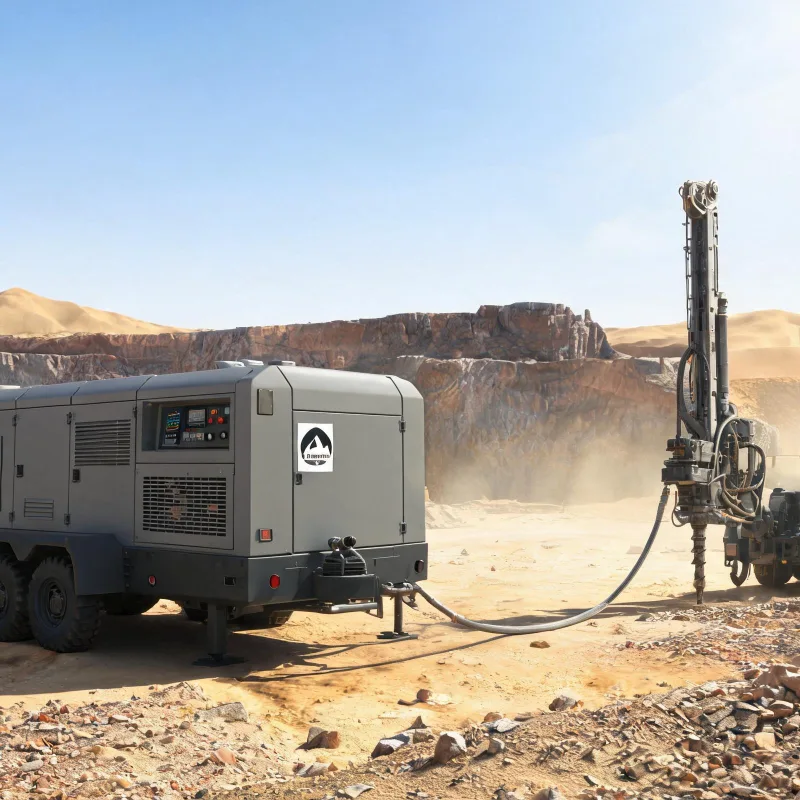
Step-by-Step Guide to Optimizing Mining Air Compressor System Pressure for Surface & Underground Operations
Core Pressure Optimization Outcome for Mining Operations
The single highest impact adjustment you can make to mining compressed air system performance is aligning operating pressure with actual end-use demand.
No production tradeoffs are required when pressure adjustments are paired with basic distribution line leak repairs.
Verified Industry Data to Back Pressure Adjustment Decisions
CAGI 2023 testing of 127 popular mining-grade pneumatic rock drills, muckers, and shotcrete tools found no performance loss when operating within 5 psi of the manufacturer’s rated minimum pressure.
You don’t need custom engineering studies to apply these metrics. Most sites can use manufacturer tool ratings as a baseline for adjustment.
Why Overpressurization Happens at Mining Sites
Most overpressurization stems from two common, easily fixable issues. First, maintenance teams often raise system pressure to compensate for unaddressed distribution line leaks, rather than fixing the leaks themselves. Second, sites use a one-size-fits-all pressure setting for all areas of the mine, even when lower-pressure zones like administrative buildings or maintenance shops don’t need the same pressure as underground drilling zones. Raising pressure to compensate for leaks only increases leak flow rates, leading to even higher energy waste over time.
Pressure fluctuations from variable demand also lead teams to set higher baseline pressures as a buffer.
Boundary Conditions for Pressure Optimization
Pressure adjustment will not deliver benefits for systems that already operate within 5 psi of the maximum end-use tool pressure rating. If your site already tracks end-use pressure requirements and adjusts output accordingly, further cuts to operating pressure will reduce tool performance and slow production. This framework also does not apply to specialized high-pressure compressed air systems used for exploration drilling, which typically require 200+ psi of consistent pressure to operate.
Confirm your end-use requirements before making any system adjustments.
Actionable Step-by-Step Pressure Optimization Process
Step 1: Map End-Use Pressure Requirements
Conduct a full site audit of all pneumatic tools, equipment, and zones to record minimum and maximum operating pressure ratings from manufacturer specifications. Separate zones by pressure requirement to identify opportunities for zoned pressure regulation, rather than a single site-wide pressure setting.
Step 2: Fix Distribution Line Leaks Before Adjusting Pressure
Run a full leak detection audit using ultrasonic leak detectors to identify all leaks in distribution lines, couplings, and tool connections. CAGI 2023 data shows fixing leaks larger than 1/8 inch reduces required system pressure by 5-10 psi on average for most mining sites. Repair all identified leaks before adjusting system pressure to avoid the need for future pressure increases to compensate for lost air volume.
Step 3: Adjust Pressure Gradually and Monitor Performance
Lower system pressure by 2 psi every 24 hours, monitoring production output, tool performance, and equipment failure rates for signs of insufficient pressure. Stop adjusting once you hit the maximum end-use pressure requirement plus a 3 psi buffer to account for normal pressure drop across distribution lines. Install pressure sensors at the furthest point of each distribution zone to confirm consistent pressure delivery to end-use tools.
Step 4: Implement Ongoing Pressure Monitoring
Set up automated pressure alerts for your compressor control system to notify maintenance teams if pressure fluctuates more than 3 psi outside of the set range. Conduct quarterly pressure audits to adjust settings as mining operations expand, tools are replaced, or distribution lines are extended.




