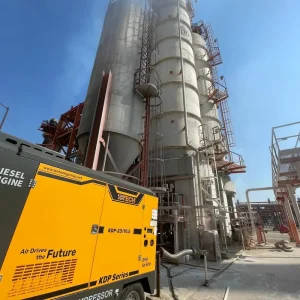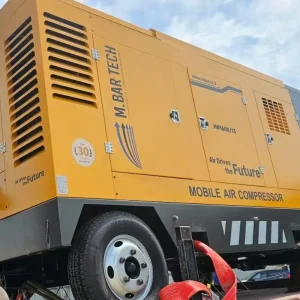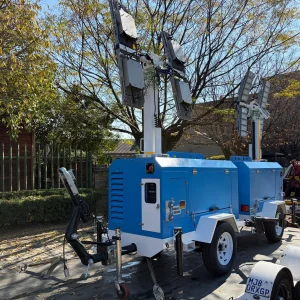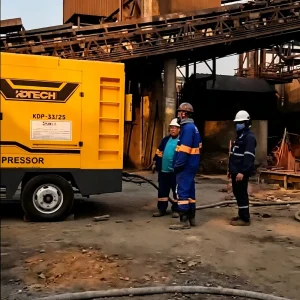

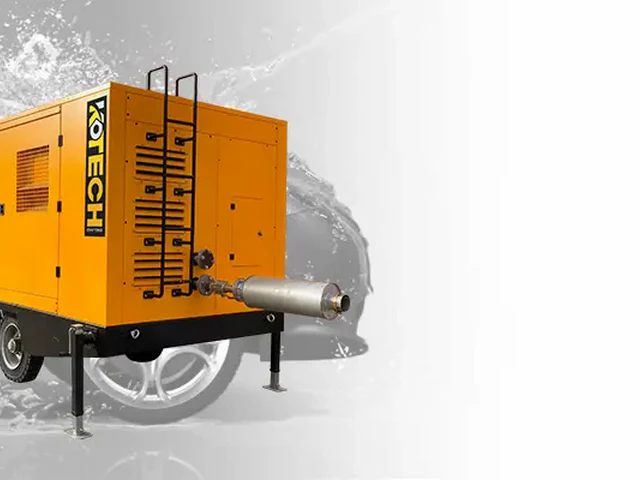
Understanding real-world mining air compressor applications is critical for operational efficiency and profitability. From driving pneumatic tools in challenging underground environments to supporting large-scale mineral processing plants, robust compressed air systems are non-negotiable. This article dives into global case studies, highlighting how tailored compressor solutions address specific operational demands, enhance safety, and significantly reduce total cost of ownership in diverse mining operations worldwide.
Optimizing Mining Air Systems: Global Best Practices & Key Applications
Key Takeaways
- Mining air compressors are essential for drilling, ventilation, dewatering, and mineral processing.
- Customization for harsh conditions (altitude, dust, heat) is vital for performance.
- VSD technology and electric systems significantly reduce energy consumption and operational costs.
- Remote monitoring and predictive maintenance are key to minimizing downtime in remote operations.
- Strategic investment based on TCO, not just purchase price, yields long-term benefits.
Related: Heavy-duty air systems for mining · Underground drilling compressors · Open-pit mining air solutions · Mineral processing compressed air · Energy-efficient mining compressors · Remote monitoring for mining air systems
Key Insights:
- Tailored Solutions are Paramount: Off-the-shelf air compressors often fail to meet the harsh, dynamic demands of mining; customization for altitude, dust, and temperature is essential.
- Energy Efficiency Drives Profitability: Compressed air accounts for a significant portion of a mine’s energy bill; optimizing systems can yield substantial savings.
- Reliability & Uptime are Non-Negotiable: Unplanned downtime due to compressor failure directly impacts production targets and overall mine profitability.
- Remote Monitoring Transforms Maintenance: Digitalization allows for predictive maintenance, reducing costly on-site interventions and extending equipment lifespan.
After more than a decade in this industry, one thing is crystal clear: the right compressed air system isn’t just equipment for a mine; it’s the lifeline. We’re talking about everything from power tools that chip away at rock faces to complex processes separating valuable minerals. Misjudge your air needs, and you’re looking at stalled operations, safety hazards, and rapidly escalating costs. Let’s cut to the chase and examine how mining air compressor applications play out in the real world, across different continents and operational scales.
Understanding the Core Demands of Mining Air Compressors
Mining environments are brutal. They’re dusty, often remote, subject to extreme temperatures, and frequently operate at high altitudes or deep underground. These conditions directly impact compressor performance and longevity. A system designed for a manufacturing plant simply won’t survive here. We need solutions built for continuous, heavy-duty operation, often 24/7, with minimal maintenance windows. The stakes are incredibly high; every minute of downtime can cost a fortune.
The primary applications are diverse. We’re talking about powering pneumatic drills for blast-hole drilling, operating ventilation systems to ensure air quality, driving dewatering pumps, and providing process air for flotation or refining. Each of these requires specific pressure and flow rates, often demanding different types of industrial compressors – rotary screw, reciprocating, or even centrifugal for very high-volume needs.
Global Case Studies: Real-World Impact
Let’s look at some tangible examples that highlight the strategic importance of robust compressed air systems. These aren’t hypothetical scenarios; they reflect challenges and solutions we’ve encountered firsthand.
Case Study 1: High-Altitude Gold Mine, Andes Mountains
A major gold mining operation in the Chilean Andes, situated at over 4,000 meters (13,000 feet) above sea level, faced significant challenges with its existing fleet of diesel-driven air compressors. The thin air at that altitude drastically reduced compressor efficiency and increased fuel consumption. They were experiencing frequent breakdowns, leading to costly delays in their drilling schedule.
The Solution: The mine transitioned to specialized, high-altitude rotary screw compressors with variable speed drive (VSD) technology. These units were specifically engineered to compensate for the lower atmospheric pressure, maintaining optimal performance. The VSD technology allowed the compressors to adjust output based on real-time demand, significantly reducing energy waste.
The Outcome: This switch resulted in a reported 25% reduction in fuel consumption for their drilling operations, according to their internal reports from 2022. Maintenance intervals extended, and unplanned downtime related to compressed air dropped by over 40%. Honestly, seeing that level of efficiency gain from a well-matched system is always rewarding. It’s a testament to the power of specialized engineering.
Case Study 2: Deep Underground Coal Mine, Australia
An Australian coal mine, operating thousands of feet underground, relied heavily on compressed air for powering pneumatic roof bolters, continuous miners, and critical ventilation fans. The oppressive heat and humidity, combined with explosive methane gas risks, demanded intrinsically safe and extremely reliable equipment. Their previous fixed-speed industrial compressors were consuming excessive energy and struggling to maintain consistent pressure at the end of long air lines.
The Solution: They implemented a centralized, fully electric compressed air station on the surface, utilizing multiple oil-free rotary screw compressors equipped with advanced control systems. Air was then piped underground through a robust, leak-tested network. The oil-free nature eliminated contamination risks for sensitive equipment and improved air quality for workers.
The Outcome: The mine saw a substantial improvement in air tool performance and a safer working environment. More importantly, the centralized electric system slashed energy costs by approximately 30% compared to distributed diesel units underground, a figure consistent with findings from the U.S. Department of Energy’s 2022 report on industrial compressed air optimization. This strategy also minimized the fire risk associated with diesel fuel underground.
Case Study 3: Remote Iron Ore Mine, Western Africa
A large iron ore mine in a remote region of West Africa faced immense logistical challenges. Access to spare parts, skilled technicians, and reliable power was limited. Their existing air compressors, used for various processing applications and site infrastructure, were prone to failure, often leaving the mine without critical air for days. The total cost of ownership (TCO) was spiraling due to emergency repairs and lost production.
The Solution: The mine invested in heavy-duty, modular compressed air packages specifically designed for extreme conditions and ease of maintenance. These packages included integrated filtration, robust cooling systems, and advanced remote monitoring capabilities. Technicians could monitor performance, predict potential failures, and even troubleshoot minor issues from a control room thousands of miles away.
The Outcome: This shift dramatically improved equipment uptime. According to their 2023 operational review, unscheduled compressor downtime was reduced by 60%. The remote monitoring system allowed for proactive maintenance planning, reducing the need for urgent, costly airfreight of parts. This directly addressed a major pain point in remote operations, where logistical hurdles often amplify minor technical issues into major production losses.
Emerging Trends and Future Considerations
The mining sector is constantly evolving, and so are its compressed air needs. We’re seeing a strong push towards electrification, driven by environmental regulations and the desire to reduce reliance on volatile fossil fuels. Electrically driven air compressors, particularly those powered by renewable sources on-site, are becoming more prevalent.
Digitalization is another game-changer. The integration of IoT sensors and AI-driven analytics for predictive maintenance is no longer a luxury; it’s becoming standard practice. This allows mines to move from reactive repairs to proactive interventions, maximizing equipment lifespan and minimizing unexpected disruptions. My take on this is that any mine not embracing this technology within the next five years will simply fall behind on efficiency and cost management.
Sustainability also plays a crucial role. Mines are increasingly looking for ways to reduce their carbon footprint. Energy-efficient compressed air systems, waste heat recovery from compressors, and even advanced filtration to ensure cleaner exhaust air are all becoming key decision factors. A report by GlobalData in 2024 highlighted that sustainability initiatives are now a top-three strategic priority for major mining companies, directly influencing equipment procurement.
Expert Insights
"From my vantage point, the biggest shift we're seeing isn't just in compressor technology itself, but in how mines integrate and manage their compressed air infrastructure. It's moving from a standalone utility to a fully networked, intelligent system that's deeply tied into overall operational efficiency and sustainability goals. Ignoring this shift means leaving significant savings and reliability on the table."
Further Reading
- Compact Mining Air Compressors for Tight & Confined Mining Spaces
- Understanding Mining Air Compressor Specifications & Performance
- High-CFM Portable Diesel Air Compressors for Mining & Quarrying
- Industrial Air Compressor Solutions for Offshore & Onshore Oilfields
- Mining Air Compressor Applications, Global Mining Case Studies, Compressed Air in Mining, Industrial Compressors – Air Compressor Mai
- Diesel Mobile Air Compressors for 24/7 Mining Field Work
- Oil & Gas Air Compressor Systems: Safe & Efficient Performance
- International Mining Air Compressor Case Studies & Field Tests
About the Author

Related Reading: Oil & Gas Air Compressor Solutions for Drilling Rigs & Wells
Related Applied Cases