
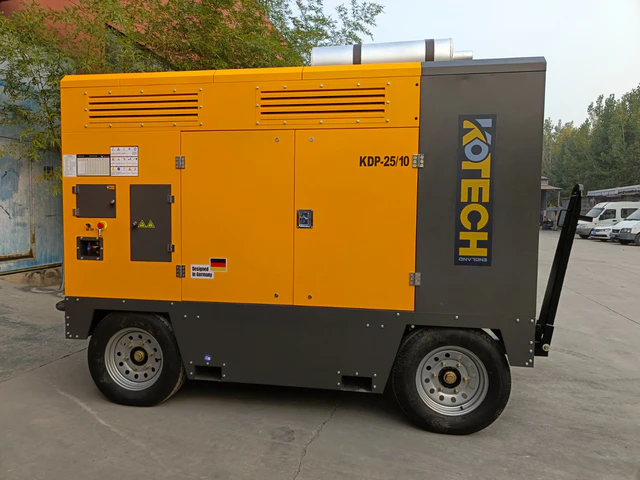
For any seasoned professional in the oil and gas sector, the sheer criticality of reliable equipment in remote locations isn't just a talking point—it's the backbone of operations. Portable diesel air compressors are more than just tools; they're indispensable assets, powering everything from pneumatic tools to essential instrumentation in environments where grid power simply isn't an option. This isn't about choosing a 'good enough' compressor; it's about selecting a unit that can withstand relentless demands, extreme weather, and unpredictable conditions without faltering. Key Insights: Reliability is Paramount: Downtime from compressor failure in remote O&G sites can cost hundreds of thousands daily, making robust, field-proven units non-negotiable. Fuel Efficiency Drives OpEx: With fuel costs representing a significant portion of operational expenditure, selecting a compressor with advanced engine management systems is a critical economic decision. Ruggedness & Portability are Core: Units must handle extreme temperatures, dust, and vibrations while being easily transportable across diverse terrains to maintain operational flexibility. Compliance & Safety: Adherence to environmental regulations (e.g., Tier 4 Final emissions) and safety standards is essential, impacting both permits and crew well-being.
Unlocking Operational Resilience with Portable Diesel Air Compressors in O&G
Key Takeaways
- Portable diesel air compressors are critical for remote oil & gas, providing off-grid power for tools and operations.
- High reliability is non-negotiable; downtime costs in O&G are astronomical.
- Fuel efficiency is a major OpEx factor; modern Tier 4 Final engines offer significant savings.
- Rugged construction and ability to withstand extreme conditions (temperature, dust, vibration) are essential.
- Advanced features like telemetry, VSD, and integrated air treatment enhance performance and reduce TCO.
- Consider boundary conditions: smaller tasks or grid-connected sites might favor gasoline or electric units.
- Selection criteria include CFM/PSI, engine quality, chassis durability, serviceability, and specific environmental ratings.
- Preventative maintenance is crucial for longevity and operational continuity in challenging environments.
- Safety compliance and emissions standards (e.g., Tier 4 Final) are mandatory for permits and responsible operation.
Related: Mobile air compressors oilfield · diesel air compressors remote · rugged air compressors O&G · field air supply units · offshore compressor solutions · pneumatic tools remote sites · reliable air compressors harsh environments · industrial air compressors for exploration · gas pipeline maintenance compressors · off-grid compressed air systems.
Portable Diesel Air Compressors for Remote Oil & Gas Sites
Why Portable Diesel Air Compressors Are Non-Negotiable for Remote O&G
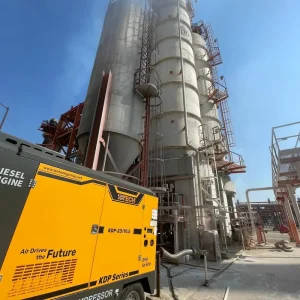
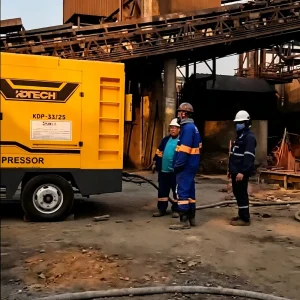
In the oil and gas industry, especially when working in remote exploration, drilling, or pipeline maintenance sites, reliable compressed air isn’t a luxury—it’s a fundamental requirement. These locations often lack grid power, making diesel-powered compressors the only viable option for powering critical pneumatic tools, operating valves, driving mud pumps, or providing instrument air. The challenges are immense: extreme temperatures, abrasive dust, corrosive atmospheres, and the sheer logistical hurdles of transporting and maintaining equipment hundreds of miles from the nearest service hub. From my 12 years in the field, I’ve seen firsthand how a single compressor failure can bring an entire operation to a grinding halt, costing staggering amounts in lost production and delayed schedules.
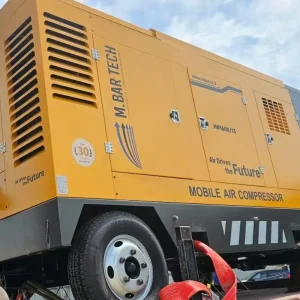
The core judgment here is simple: investing in a high-quality, purpose-built portable diesel air compressor isn’t an expense, it’s a strategic necessity to ensure operational continuity and safety. These aren’t just any compressors; they’re engineered to perform under duress, designed for the specific demands of the energy sector.
The Economic Imperative: Data-Driven Decisions
When we talk about remote oil and gas operations, every piece of equipment carries a significant weight, both literally and financially. The initial capital expenditure for a robust portable diesel air compressor is just one part of the equation. What often gets overlooked in procurement is the long-term operational cost, particularly fuel efficiency and maintenance. Honestly, many operators focus too much on the sticker price and not enough on the total cost of ownership (TCO).
Fuel Efficiency: A Major OpEx Driver
Consider this: fuel costs alone can represent 30-40% of an air compressor’s lifecycle cost in continuous operation, according to a 2022 analysis by Gardner Denver. For remote O&G sites, where fuel transportation adds another layer of expense and complexity, optimizing fuel consumption is paramount. Modern diesel compressors with advanced engine management systems, like those compliant with Tier 4 Final emissions standards, aren’t just about meeting environmental regulations; they offer significant fuel savings through optimized combustion and idle control. This directly translates to lower operational expenditure and fewer refueling logistics, a huge win for remote sites.
Reliability & Uptime: Mitigating Costly Downtime
Downtime in the oil and gas sector is notoriously expensive. Reports from IHS Markit (2023) suggest that unscheduled downtime in upstream operations can cost anywhere from $1 million to $5 million per day, depending on the scale and type of production. A critical piece of equipment like an air compressor failing in the middle of a drilling operation can trigger such losses. This data underscores why reliability isn’t just a feature; it’s a financial safeguard. Compressors built with heavy-duty components, robust chassis, and proven engines significantly reduce the risk of unexpected breakdowns.
Safety & Compliance: Non-Negotiable Standards
Safety is always first, and equipment reliability plays a direct role. OSHA analysis (2021) indicates that equipment failure is a root cause in approximately 15-20% of serious incidents in industrial settings, including oil and gas. Ensuring your compressors meet stringent safety standards, including emergency stop systems, enclosed moving parts, and proper pressure relief valves, protects your crew and your investment. Furthermore, environmental compliance, particularly with emissions regulations, is not only a legal requirement but also a growing expectation from stakeholders and the public. Choosing Tier 4 Final compliant diesel engines isn’t just good practice; it’s increasingly mandatory for permits and social license to operate.
Beyond the Basics: Advanced Features & Considerations
The market for portable diesel air compressors has evolved significantly. It’s no longer just about pushing air. Today’s units come with features that directly address the pain points of remote O&G operators:
- Telemetry & Remote Monitoring: Imagine knowing the fuel level, service hours, and diagnostic codes of your compressor hundreds of miles away. Telemetry systems are becoming standard, allowing for proactive maintenance scheduling and rapid troubleshooting, minimizing costly site visits.
- Variable Speed Drives (VSD): While more common in electric compressors, some advanced diesel models incorporate variable engine speed to match air demand, leading to even greater fuel efficiency and reduced wear on components.
- Integrated Aftercoolers & Filters: Delivering clean, dry air is crucial for many pneumatic tools and instruments. Built-in aftercoolers and filtration systems save space, reduce setup time, and prevent costly damage to downstream equipment.
- Cold Weather Packages: For operations in arctic or high-altitude regions, specialized cold weather packages—including engine block heaters, battery blankets, and synthetic fluids—are essential for reliable starts and operation in sub-zero temperatures.
When They Aren’t the Perfect Fit: Boundary Conditions
While portable diesel air compressors are generally the go-to for remote O&G sites, there are specific scenarios where they might not be the optimal choice. For instance, in very small, short-duration tasks where minimal air is needed, a compact gasoline-powered unit might be more cost-effective due to lower initial investment, though its durability and run-time will be significantly less. Similarly, for long-term, semi-permanent installations where grid power has become available or is generated on-site (e.g., through gas turbines), electric compressors often become more attractive due to lower operating noise, reduced emissions, and potentially lower maintenance costs. The tipping point usually comes down to the duration of the project, the required air volume, and the actual availability of a stable power source.
Selecting the Right Unit: A Practical Guide
Choosing the correct portable diesel air compressor requires a meticulous approach. Here’s a checklist:
- CFM & PSI Requirements: Accurately assess the air volume (CFM) and pressure (PSI) needed for all tools and processes. Always factor in a safety margin.
- Engine Reliability & Tier Compliance: Opt for reputable engine manufacturers (e.g., Cummins, Caterpillar, John Deere). Ensure the engine meets current emissions standards (Tier 4 Final is critical for new purchases in many regions).
- Chassis & Enclosure Durability: The unit must withstand harsh environments. Look for heavy-gauge steel, robust undercarriages, and weather-resistant coatings.
- Serviceability: Easy access to filters, fluids, and service points reduces maintenance time and costs in the field.
- Operating Temperature Range: Verify the compressor is rated for the extreme high and low temperatures of your specific operating region.
- Fuel Tank Capacity & Run Time: A larger fuel tank means longer operational periods between refueling, which is a major logistical advantage in remote areas.
- Safety Features: Ensure emergency stops, pressure relief valves, and clear safety warnings are present and functional.
Maintenance & Longevity in Extreme Environments
Proper maintenance is the bedrock of longevity for any heavy equipment, but it’s especially true for portable diesel air compressors operating in remote, challenging oil and gas environments. Regular oil changes with high-quality synthetic lubricants, frequent air filter replacements (given the dusty conditions), and routine checks of hoses, belts, and electrical connections are non-negotiable. I’ve seen units fail prematurely simply because operators tried to stretch service intervals in a remote location. The investment in preventative maintenance pales in comparison to the cost of a breakdown. Additionally, proper storage when not in use, protecting the unit from direct exposure to corrosive elements or extreme temperatures, will significantly extend its lifespan. Training your field crews on basic troubleshooting and emergency procedures is also key; a small issue caught early can prevent a major failure.
Expert Insights
"In my two decades working with heavy equipment in the upstream sector, the truth about portable diesel air compressors is simple: you get what you pay for. Cutting corners on quality or features for a remote site unit isn't saving money; it's buying future headaches and expensive downtime. The best units pay for themselves in reliability and efficiency gains within just a few years."
Further Reading
- Heavy-Duty Mining Air Compressor Solutions for 24/7 Use
- Mining Air Compressor Solutions for Drilling & Blasting Tasks
- Industrial Air Compressor Case Studies for Global Mines
- Industrial Air Compressor Case Studies for Mining Operations
- Portable Diesel Air Compressors for Remote Oil & Gas Sites – Real-World Mining
- Mining Air Compressor Projects | Global Industrial Applications
- Successful Air Compressor Deployments in Global Mining
- Mining Air Compressor Case Studies: Real Projects Worldwide
Related Reading: Compact Portable Diesel Air Compressors for Global Mining Sites
Related Applied Cases