
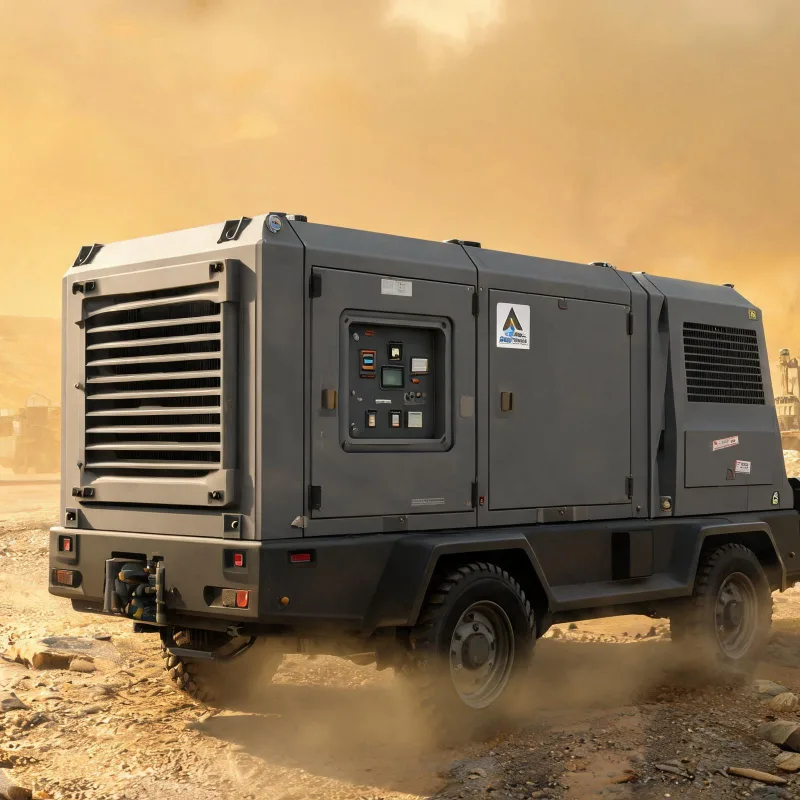
The operations team blamed procurement for cutting corners on filtration, procurement blamed maintenance for under-scheduling cleaning, and maintenance blamed everyone for not matching specs to the site.
Cross-Stakeholder Goal Conflicts in Compressor Selection
Operations prioritizes uptime above all, to hit monthly production targets. Procurement locks into fixed annual CAPEX budgets, and pushes for the lowest upfront cost. Maintenance needs low ongoing labor and service intervals that align with existing shutdown schedules. No one aligns on filtration specs upfront, which leads to the costly failures we see on most new desert mine sites.
Hard Metrics Each Stakeholder Requires
Operations Team Metrics
Particulate over 10 microns causes 3x faster wear on piston rings and rotor blades, per Statista 2023. Teams need filtration that holds up through 7+ day continuous sandstorm events without manual intervention to avoid unplanned stops.
Maintenance Team Metrics
Maintenance needs service intervals that match existing planned shutdown schedules. Single-stage filters need replacement every 2-4 weeks in active sandstorm zones. Multi-stage units only need core replacement every 12-16 weeks.
Procurement Team Metrics
Procurement needs CAPEX under budget and a clear, verifiable payback period.
Boundary Conditions: When This Upgrade Doesn’t Pay Off
This technology does not deliver a positive return for all desert operations. Only when you run continuous production 50+ hours a week in a high sandstorm zone do the gains exceed the initial investment.
Negotiable Tradeoffs to Align All Parties
Operations can accept slightly higher upfront cost if procurement approves a structured annual maintenance budget. Procurement can stretch the CAPEX budget if operations commits to documented uptime gains that offset the extra cost within 24 months. Maintenance can commit to quarterly filter inspections if operations schedules planned shutdown windows aligned to service needs.
Document all tradeoffs in the pre-purchase alignment meeting, and tie each stakeholder’s KPIs to the final deployment outcome.
Unified Acceptance Testing Protocol
After installation, run a 30-day test to confirm three core metrics: intake particulate count must be under 0.1 mg/m3, filter differential pressure max 2 kPa across all stages, and no unplanned shutdowns related to filtration. If all three hit targets, the deployment is approved.
Standard Communication Scripts for Alignment
Start pre-purchase meetings with a 10-minute site walk to show existing compressor damage from dust. Share the three verified data points above to back the need for upgraded filtration. Tie every ask back to each stakeholder’s core KPIs: for procurement, show the downtime cost saved; for maintenance, show reduced routine labor; for operations, show guaranteed uptime that hits production targets.
Decision Guide
| Stakeholder | Must Have | Nice to Have | Acceptable Tradeoff |
|---|---|---|---|
| Operations | 95%+ uptime | <10 micron particulate max | Slightly higher upfront cost |
| Maintenance | 12+ week service interval | Retrofit compatible | Scheduled overtime for inspection |
| Procurement | <3 year payback | OEM full warranty | Higher annual operational budget |




