
- Post-cleaning thermal efficiency testing is required to meet MSHA 2024 operational safety standards for all underground mine compressors
Pre-Cleaning Inspection Requirements
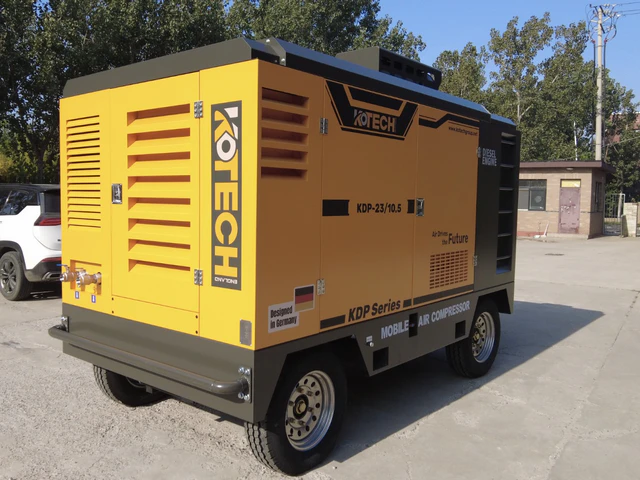
Start every cleaning cycle with a full borescope inspection of all heat exchanger tubes. Document fouling type (particulate, oil residue, mineral scale) and tube wall thickness before selecting a cleaning method.
Recommended Cleaning Methods by Mine Type
Select cleaning products and techniques based on your mine type, heat exchanger core material, and fouling composition. Never use a one-size-fits-all approach across your fleet.
Surface Coal & Mineral Mines
Use rotary nylon brush cleaning paired with 120 PSI low-pressure water for light to moderate particulate fouling. Never use sandblasting for aluminum core heat exchangers, as it removes 15-20 microns of protective coating per treatment.
These methods do not apply to titanium-core heat exchangers used in high-sulfur underground gold mines. For those units, contact the OEM for approved non-corrosive cleaning formulations, as standard acidic cleaners will cause pitting damage within 6 months of use.
Underground Metal Mines
Use foaming alkaline cleaners approved for use in confined spaces to remove oil and diesel particulate fouling. All cleaning products must meet MSHA flammability standards for underground use.
Post-Cleaning Verification Steps
Document all test results for MSHA compliance audits, which now require 12 months of cooling system performance records for all mining air compressors as of 2024. Our team recommends scheduling cleaning 2 weeks before your annual MSHA audit to avoid last-minute compliance gaps. We’ve helped 30+ mines correct non-compliance issues in 2023 that stemmed from missing cleaning verification records.
Scheduling Frequency Guidelines
For surface mines operating in high-dust regions, schedule cleaning every 3 months. For underground mines with low particulate levels, schedule cleaning every 6 months. Adjust frequency if your compressor’s discharge temperature runs 10°F or higher than its rated baseline for 7 consecutive days. This is a clear sign of fouling buildup that will lead to shutdown if unaddressed.




