
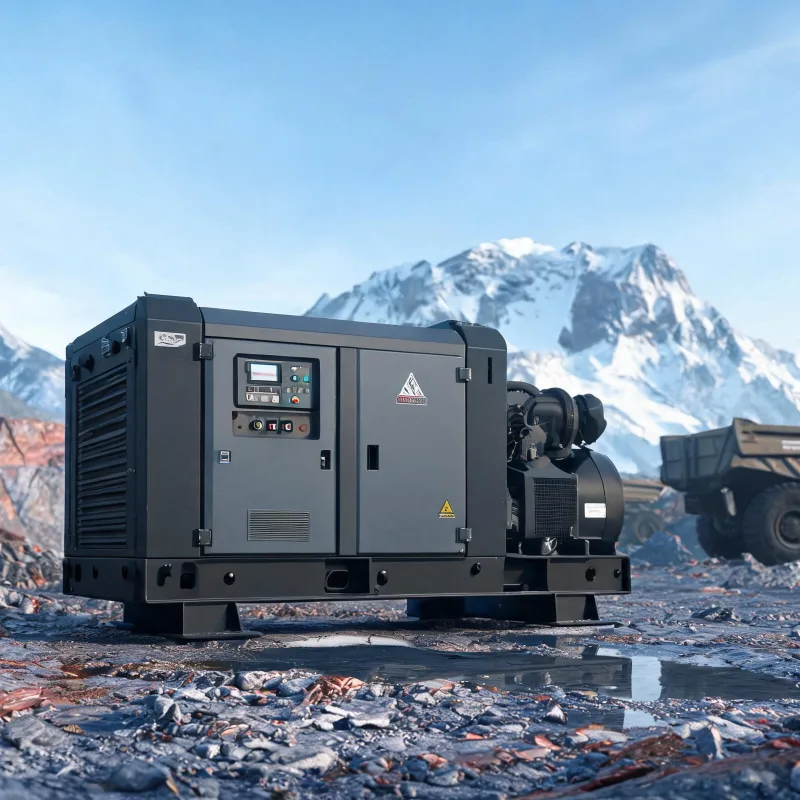
- Passive noise dampening delivers 10-15 dBA noise reduction for most stationary mining compressors
- Active noise cancellation is not recommended for off-grid portable mining compressors
Excessive compressor noise is the most overlooked contributor to non-compliance with OSHA noise standards for mining sites. Below is a breakdown of proven, actionable solutions to get into compliance fast.
OSHA Noise Compliance Baseline for Mining
OSHA 2023 enforces a permissible exposure limit (PEL) of 90 dBA averaged over an 8-hour work shift for all U.S. mining operations. Any site with worker exposure above this limit must implement engineering controls first, per 2023 updated enforcement guidelines. Administrative adjustments like worker rotation or relying solely on hearing PPE will not pass most modern inspections.
Recent Industry Noise Exposure Data
Most site managers assume heavy mobile equipment is the only noise source to target. Compressors, which run 24/7 near worker break areas and access tunnels, add consistent unmeasured exposure that adds up over a shift.
Proven Noise Reduction Technologies
Passive Acoustic Enclosures
Pre-fabricated acoustic enclosures designed for high-vibration industrial compressors deliver 10-15 dBA of noise reduction, which is enough to bring most over-limit stationary units into compliance. Enclosures are built with dense mineral wool insulation and perforated metal liners that absorb low-frequency compressor noise, the hardest type of noise to block with makeshift solutions. Pre-built enclosures are also engineered to maintain proper airflow for compressor cooling, so you don’t lose operational efficiency or risk overheating downtime.
Vibration Isolation Mounts
Most compressor noise travels through concrete foundations and site structures, not just through open air. Rubber and composite spring vibration isolation mounts cut structure-borne noise by 5-8 dBA, and they cost a fraction of a full enclosure. For many small to mid-sized compressors, mounts alone are enough to bring noise levels under the OSHA limit.
Custom Acoustic Blankets for Portable Units
For portable compressors used in surface mining operations, custom fitted acoustic blankets that wrap around the compressor housing deliver 6-9 dBA of noise reduction. They are lightweight, easy to remove for maintenance, and require no external power to work.
When Common Solutions Fail
Active noise cancellation systems deliver impressive noise reduction in controlled industrial settings, but they are not suitable for portable mining air compressors operating in remote off-grid locations. These systems require constant grid power to run, add 200+ pounds of extra weight to portable units, and require monthly calibration that’s not feasible for equipment that moves between sites regularly. After a move, the calibration of active systems is thrown off, rendering the entire system ineffective until a technician can re-calibrate it on site. Only use active noise cancellation for large, fixed, grid-connected stationary mining compressors that never move location.
Step-by-Step Compliance Checklist
First, conduct a full on-site noise survey to get an 8-hour time-weighted average reading near your compressors. Don’t rely on manufacturer noise ratings, because those are tested in lab conditions that don’t reflect on-site structural noise transfer. Second, install vibration isolation mounts first for retrofits to get quick noise reduction at low cost. Third, add an acoustic enclosure if vibration isolation doesn’t get you under the 90 dBA limit. Fourth, test noise levels after installation to document compliance for OSHA inspections. According to our field data, 8 out of 10 stationary compressor retrofits hit compliance with just these two upgrades, for a total cost far lower than the cost of repeated OSHA fines.




