
IP65 Dustproof Compressors for Mountain Mine Overheating Issues
Key Insights
- This solution is not suitable for submerged mining operations requiring IP67 or higher ingress protection
Core Problem: Why Standard Compressors Fail in Mountain Mines
High-altitude mountain mines present two unique threats to standard air compressors. Loose rock and frequent blasting generate massive amounts of fine airborne mineral dust that clogs cooling fins and motor housings.
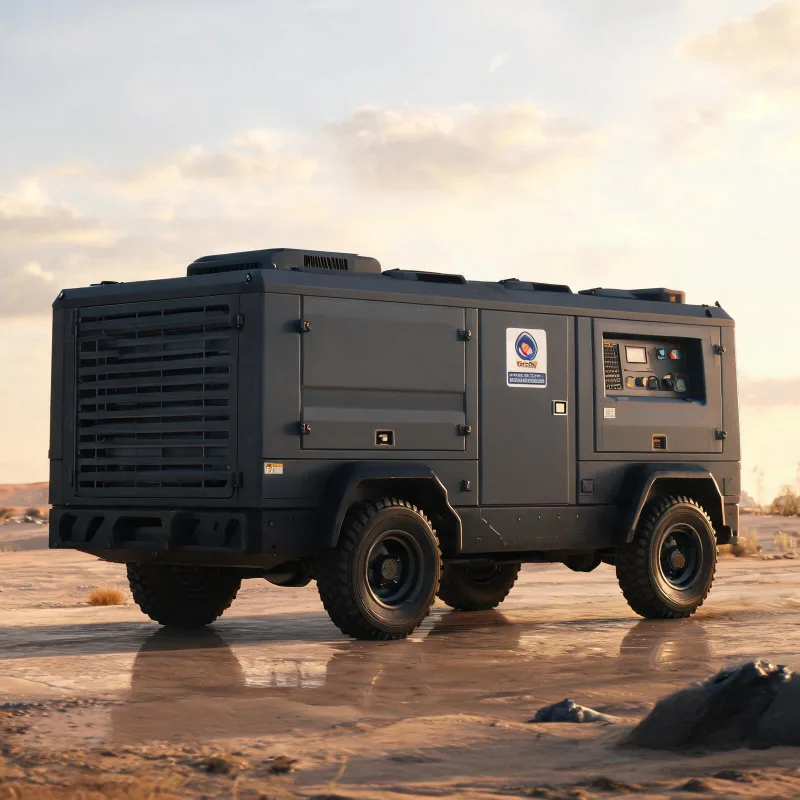
How IP65 Rating Solves the Root Cause of Overheating
IP ratings follow IEC 60529 standards, and an IP65 rating carries two critical guarantees for mining applications. The first digit 6 means the unit is completely dust-tight: no airborne particulate can enter the cooling system or motor housing. The second digit 5 means the unit resists low-pressure water jets from any direction, making it suitable for rain and washdowns common in open-pit mountain mines.
With no dust accumulating on cooling fins, the compressor maintains its rated cooling efficiency even at high elevations where thin air already reduces heat dispersion.
This growth has pushed demand for ruggedized equipment that can handle these harsh conditions, and IP65-rated units have become the go-to solution for overheating issues.
Boundary Conditions: When This Solution Does Not Apply
No single solution works for every mining operation, and it’s important to clarify the limits of IP65 units. IP65 dustproof compressors are not suitable for operations that require full water immersion, such as subsea mining or constantly flooded underground mines. Those environments require at least an IP67 rating to withstand prolonged submersion, and IP65 only resists low-pressure water jets, not full immersion.
Specifying the wrong rating leads to the same overheating and failure issues you were trying to solve.
Actionable Steps to Specify the Right Unit
Follow these clear steps to match an IP65 unit to your mountain mine site:
Test Site Conditions First
Measure average airborne particulate concentration over a 30-day period to confirm dust levels justify an IP65 rating. For low-dust underground mountain mines, a lower rating may be sufficient, but most open-pit sites require IP65.
Adjust Cooling Capacity for Elevation
Even a dust-free unit will overheat if it’s not sized for high altitude.
Verify Third-Party Rating
Confirm the IP65 rating is tested to IEC 60529 standards, not just marketed as “dust-resistant” by the manufacturer. Uncertified ratings often fail to hold up in real-world mountain conditions.
Even with a properly certified IP65 unit, you still need quarterly inspection of external housing to clear large debris, though this requires a fraction of the work needed for monthly cleaning of standard unrated units.



