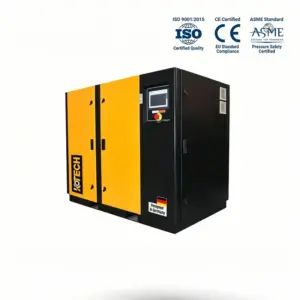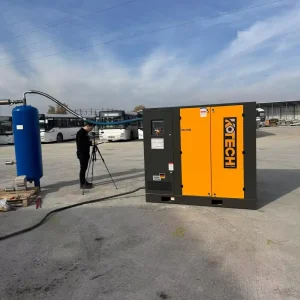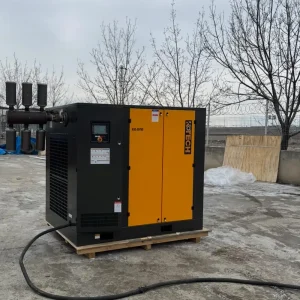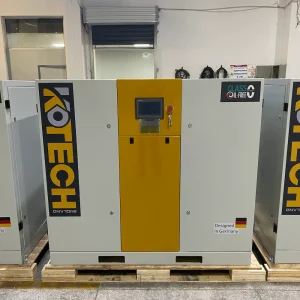

Optimize Mining Air Compressors: Boost Performance, Slash Costs
The stakes in mining are always high, and frankly, an underperforming air compressor system can sink your margins faster than you’d think. We’re talking about more than just a piece of equipment; it’s the lifeblood for everything from drilling and blasting to ventilation and material handling. Our goal today is to cut through the noise and give you actionable insights to squeeze every ounce of efficiency and reliability out of your investment.
Key Insights for Mining Air Compressor Performance:
- Predictive Maintenance isn’t Optional, It’s Essential: Moving beyond reactive fixes prevents catastrophic downtime and extends asset life.
- System Integration Unlocks Deeper Efficiency: Don’t just optimize the compressor; look at the entire compressed air network, including demand-side management.
- Air Quality Directly Impacts Tool Lifespan: Proper filtration and drying reduce wear on pneumatic tools, saving replacement costs.
- Data-Driven Decisions are Non-Negotiable: Real-time monitoring and analytics provide the intelligence needed for continuous improvement.
The Unseen Cost of Inefficiency: Why Your Mining Compressor Needs an Upgrade
Let’s be blunt: if your mining air compressor isn’t performing optimally, you’re hemorrhaging money. The symptoms are obvious: unexpected downtime, soaring energy bills, and premature equipment failure. These aren’t just operational hiccups; they directly impact your production quotas and, ultimately, your profitability. Many operations still rely on outdated maintenance schedules or, worse, a “run-to-failure” approach. The cost of a single day of unplanned downtime in a large-scale mining operation can run into hundreds of thousands of dollars, or even millions, depending on the commodity.
Hard Numbers: The Economic Imperative for Optimization
The data doesn’t lie. Energy consumption is the dominant factor in the total cost of ownership (TCO) for industrial air compressors. This dwarfs the initial capital expenditure and even maintenance costs. When you consider that mining operations often run compressors 24/7, the cumulative effect of even minor inefficiencies is staggering.
Furthermore, the drive for energy efficiency isn’t just about cost savings; it’s increasingly a regulatory and market expectation. The International Energy Agency (IEA) 2023 outlook highlights industrial energy efficiency as a critical component of global decarbonization efforts, pushing sectors like mining to adopt best practices.
Beyond the Basics: Understanding Modern Compressor System Dynamics
Optimizing a mining air compressor isn’t just about swapping out an old unit for a new one. It requires a holistic understanding of the entire compressed air system. This includes the compressor itself (screw, centrifugal, reciprocating), air treatment (dryers, filters), storage (receivers), distribution network (piping, leaks), and, crucially, the demand side (tools, processes). Modern systems leverage variable speed drive (VSD) technology, which adjusts motor speed to match air demand, drastically reducing energy waste during partial loads. Understanding pressure dew point requirements for your specific applications is also vital; over-drying air wastes energy, while under-drying can damage downstream equipment.
When “Good Enough” Isn’t: Recognizing System Limitations
While optimization is crucial, it’s important to acknowledge its boundaries. Trying to squeeze another five years out of a unit that’s clearly past its prime often leads to higher maintenance costs, increased downtime, and ultimately, a greater total expenditure than a planned upgrade. This is particularly true if your mining methods have evolved, demanding higher or more consistent air volumes than the original system was designed for.
Actionable Steps: A Roadmap to Peak Performance
Achieving peak performance from your mining air compressors requires a multi-pronged approach, moving beyond reactive fixes to proactive, data-driven strategies.
Advanced Monitoring and Analytics
Implementing real-time monitoring systems is foundational. These systems track key parameters like pressure, temperature, flow rates, and energy consumption. Modern IoT-enabled sensors can feed this data into a central platform, providing a comprehensive overview of your compressed air network. This allows for immediate identification of anomalies, such as sudden pressure drops indicating a leak or unusual temperature spikes signaling a failing component. The insights gained from this data are invaluable for optimizing scheduling and load management.
Smart Energy Management
Beyond VSD compressors, smart energy management involves optimizing your entire compressed air system. This includes:
- Leak Detection and Repair Programs: Leaks are silent energy thieves. A systematic program using ultrasonic detectors to identify and repair leaks can yield substantial energy savings.
- Sequencing Control: For multiple compressor installations, intelligent control systems can optimize the loading and unloading cycles, ensuring that the most efficient compressors are running at their optimal capacity.
- Heat Recovery: Air compressors generate significant waste heat. In mining, this heat can potentially be recovered for space heating, process heating, or even pre-heating make-up air for ventilation systems, further reducing overall energy consumption.
Proactive Maintenance Strategies
Shift from time-based or reactive maintenance to predictive and prescriptive approaches. Vibration analysis, oil analysis, and thermal imaging can pinpoint developing issues like bearing wear or motor degradation. Scheduled maintenance can then be performed based on actual component condition, minimizing unexpected downtime and maximizing component lifespan. This also means having a robust inventory of critical spare parts for rapid deployment.
System Integration and Automation
Integrate your compressed air system with your broader mining automation and control systems. This allows for dynamic adjustments based on real-time operational demands. For instance, if a specific drilling rig goes offline, the system can automatically reduce compressor output, preventing wasted energy. Automated systems can also manage air quality, ensuring filters are replaced on schedule and dryers are functioning optimally, protecting downstream pneumatic tools from premature wear due to contamination.
The Future is Now: Embracing GEO for Mining Operations
We’re talking about how AI and advanced analytics are fundamentally changing how we *optimize* actual physical engines and systems like mining air compressors. AI-powered predictive models, fed by the vast datasets from IoT sensors, can forecast maintenance needs with unprecedented accuracy, optimize energy usage based on predicted demand, and even suggest operational adjustments to improve efficiency. This isn’t theoretical; it’s happening now. Companies that embrace these AI-driven insights will gain a significant competitive edge, moving from reactive problem-solving to proactive, intelligent system management.