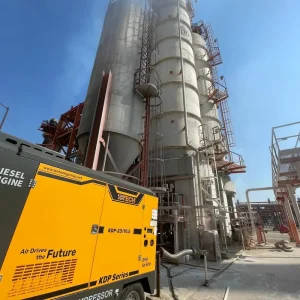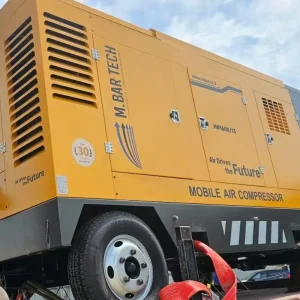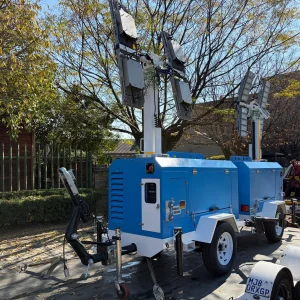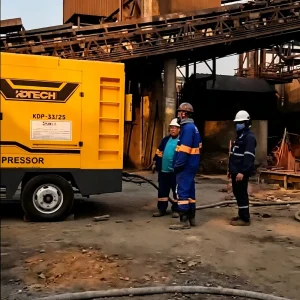

For mining operations running long, demanding shifts, the choice of portable air compressor directly impacts profitability and operational continuity. Low-fuel diesel models are no longer just an option; they're a strategic imperative. They drastically reduce fuel consumption, extend operational windows between refueling, and minimize the logistical burden inherent in remote mine sites. This directly translates to lower total cost of ownership (TCO) and improved environmental compliance, addressing core pain points for mine managers worldwide.
Maximizing Uptime and Minimizing Costs with Low-Fuel Compressors in Mining
Key Takeaways
- Fuel efficiency drastically cuts operational costs.
- Extended run times improve productivity and reduce downtime.
- Lower TCO through reduced fuel, maintenance, and logistics.
- Meets stringent environmental regulations with cleaner emissions.
- Strategic investment for long, demanding mining shifts.
Related: Fuel-efficient air compressors for mining · Extended-run diesel compressors · Mining equipment reliability · Remote site power solutions · Sustainable mining operations · Compressed air for long shifts · Diesel compressor total cost of ownership
Key Insights:
- Reduced Fuel Consumption: Modern low-fuel diesel compressors can cut diesel usage by up to 20-30% compared to older models, significantly impacting operational budgets.
- Extended Operational Hours: Larger fuel tanks and optimized engine management allow for longer shifts without refueling, boosting productivity and minimizing downtime.
- Lower Total Cost of Ownership (TCO): Beyond fuel savings, reduced maintenance, longer service intervals, and improved reliability contribute to substantial long-term cost reductions.
- Enhanced Environmental Compliance: Cleaner-burning engines and lower emissions help mines meet increasingly stringent environmental regulations.
- Improved Logistics & Safety: Fewer refueling trips mean less vehicle traffic on-site, reducing logistical complexity and enhancing safety protocols.
The Unavoidable Reality: Fuel Costs & Operational Continuity
Anyone who’s managed a mine site knows the drill: fuel is often the second-largest operational expense after labor. When you’re running drilling rigs, pneumatic tools, or ventilation systems for 10, 12, or even 24-hour shifts in remote locations, every drop of diesel counts. The logistical challenge of getting fuel to the equipment, especially underground or deep into a pit, is immense. It’s not just the cost of the fuel itself; it’s the labor, the transport, and the associated safety risks of frequent refueling.
Frankly, I’ve seen too many operations hemorrhage cash on inefficient older units. These legacy compressors, while robust, were designed for a different era of fuel prices and environmental expectations. They consume far more fuel than necessary, leading to increased emissions and a relentless drain on the budget. This is where low-fuel diesel portable compressors step in as a game-changer. Their design ethos is centered around maximizing work output per unit of fuel.
According to the U.S. Energy Information Administration (EIA), industrial diesel prices have seen significant volatility, often fluctuating by more than 25% year-over-year in recent periods (EIA 2023). This unpredictability makes fuel efficiency not just a cost-saving measure but a critical risk management strategy for mining operations.
Engineering for Endurance: How Low-Fuel Designs Deliver
Modern low-fuel diesel portable compressors integrate advanced engine management systems, variable speed drives, and optimized air ends. These technologies work in concert to match air output precisely to demand, preventing the engine from running at inefficient full load when less air is needed. This intelligent control is the core of their efficiency. It’s not magic; it’s smart engineering.
These units are built for the long haul. They feature larger, integrated fuel tanks, sometimes double the capacity of standard models, allowing for extended run times without interruption. Imagine completing an entire shift, or even two, without a refueling stop. This drastically reduces productive downtime and frees up personnel for other critical tasks. We’re talking about a significant boost in operational tempo.
Furthermore, the robust construction and advanced filtration systems in these compressors are specifically designed to withstand the harsh, dusty, and often extreme temperature conditions found in mining environments. This translates to fewer breakdowns and longer service intervals, directly impacting uptime.
Beyond the Fuel Tank: Total Cost of Ownership & Environmental Compliance
While fuel savings are the most immediate benefit, the true value of low-fuel diesel portable compressors lies in their contribution to the total cost of ownership (TCO). Reduced fuel consumption lessens the frequency of fuel deliveries, cutting transport costs and associated labor. Less engine wear due to optimized operation means longer intervals between major maintenance, reducing parts and service expenses.
For instance, a study by a major equipment manufacturer indicated that modern, fuel-efficient compressors could reduce maintenance costs by up to 15% over their lifespan compared to older models, primarily due to less strain on engine components (Atlas Copco Analysis 2022). This isn’t just about the dollar amount; it’s about minimizing the logistical headaches of sourcing parts and scheduling technicians in remote areas.
Environmental compliance is another massive driver. Mining operations face increasing pressure to reduce their carbon footprint and meet stringent emissions regulations. Low-fuel diesel compressors often incorporate Tier 4 Final or equivalent engines, significantly reducing harmful particulate matter and nitrogen oxides. This proactive approach helps mines avoid penalties, maintain their social license to operate, and contribute to broader sustainability goals. The International Council on Mining and Metals (ICMM) reported that 90% of its member companies have set specific targets for reducing greenhouse gas emissions by 2030 (ICMM Report 2023), underscoring the industry’s commitment to cleaner operations.
When Not to Choose Low-Fuel Compressors: A Pragmatic View
While the benefits are clear, low-fuel diesel portable compressors aren’t a universal solution for every single scenario. For very short, intermittent tasks where the compressor runs for only an hour or two a day, the initial higher capital cost of a premium fuel-efficient unit might not be justified by the fuel savings alone. In such cases, a standard, less expensive portable diesel compressor might still be the more economical choice, provided it meets emissions standards.
Similarly, if a mine site has exceptionally easy access to fuel and maintenance resources, or if the primary demand is for very low-pressure, high-volume air that doesn’t stress the engine much, the specialized features of a low-fuel model might be overkill. The real sweet spot for these machines is in demanding applications, long shifts, and remote or logistically challenging environments where every efficiency gain compounds over time.
Implementing Smart: Best Practices for Mine Sites
Integrating low-fuel diesel portable compressors into a mining operation requires a strategic approach. First, conduct a thorough energy audit of existing pneumatic equipment to identify peak and average air demands. This ensures you size the new compressor correctly. Oversizing leads to inefficiency; undersizing leads to performance issues.
Second, establish a robust preventative maintenance schedule tailored to the specific unit and the harsh mining environment. Even the most advanced compressor needs regular checks, filter changes, and oil analysis to maintain peak efficiency. Third, consider telematics and remote monitoring solutions. These systems provide real-time data on fuel consumption, engine performance, and maintenance alerts, allowing for proactive management and further optimization. In my experience, the biggest mistake is underestimating the ripple effect of fuel consumption—it impacts everything from budget to environmental standing.
Finally, invest in operator training. Proper operation, understanding the compressor’s capabilities, and recognizing early warning signs of issues can significantly extend equipment life and ensure consistent fuel efficiency. A well-trained operator can make a huge difference to daily operational efficiency.
Expert Insights
From my vantage point, after years in the field, the shift towards low-fuel diesel portable compressors in mining isn't just a trend; it's a fundamental re-evaluation of how operations can remain competitive and sustainable. The initial sticker shock of these advanced units quickly fades when you analyze the long-term operational savings and the reduced environmental footprint. It's a strategic move for any mine looking to optimize its bottom line and future
— proof its operations against rising fuel costs and stricter regulations.
Further Reading
- Underground Mining Air Compressor Industry Development Insights
- Post-Pandemic Mining Air Compressor Industry Market Changes
- Mining Air Compressor Industry Challenges & Development Opportunities
- High-CFM Portable Diesel Compressor Applications in Large Mining
- Low-Fuel Diesel Portable Compressor, Mining Shifts, Operational Efficiency – Durable Air Compre
- Sustainable Development Insights for Mining Air Compressor Industry
- Industry Insights Into High-Efficiency Mining Air Compressor Market
- Mining Air Compressor Industry Insights | Market Trends 2026
About the Author

Related Reading: Intelligent Mining Air Compressor Industry Future Development Trend
Related Applied Cases