

The oil and gas industry faces increasing pressure to reduce its environmental footprint, with low-emission air compressors emerging as a vital technology. This article delves into the critical applications of these systems, focusing on how they address methane emissions, enhance operational efficiency, and ensure regulatory compliance. Operators must prioritize robust, reliable low-emission solutions for instrument air, process control, and general utility to meet sustainability targets and secure future viability.
Navigating Low-Emission Air Compression in Oil & Gas
Key Takeaways
- Low-emission air compressors are crucial for methane abatement in oil & gas.
- Regulatory compliance (e.g., EPA 2024 methane rules) drives adoption.
- Electric air compressors eliminate direct methane venting from pneumatic systems.
- Operational cost savings and improved reliability are key benefits.
- Site-specific assessments are vital for successful technology deployment.
- IEA 2023 data highlights the economic viability of methane reduction technologies.
Related: Methane abatement technologies · electric instrument air systems · pneumatic control upgrades · fugitive emission reduction · sustainable gas processing · ESG compliance in upstream · midstream · downstream operations.
Key Insights
- Methane emission reduction is paramount: Low-emission air compressors directly address a significant source of fugitive methane, particularly from pneumatic devices.
- Regulatory compliance is a primary driver: Stricter environmental mandates, like recent EPA rules, necessitate immediate adoption of cleaner compression technologies.
- Operational efficiency and cost savings are tangible: Switching from gas-driven to electric or instrument air systems reduces fuel consumption and operational expenditure (OpEx).
- Electrification is a growing trend: Electric air compressors offer a proven path to near-zero direct emissions at the point of use, improving ESG performance.
- Strategic planning is crucial for adoption: Integrating these systems requires careful assessment of power availability, infrastructure, and long-term maintenance.
The Imperative for Low-Emission Compression in O&G
The drive towards low-emission operations in the oil and gas sector isn’t just about public perception; it’s a fundamental shift dictated by regulatory mandates, investor demands, and the undeniable need for sustainable practices. Operators are under immense pressure to decarbonize, and a critical, often overlooked, component in this effort is the air compressor. Traditional gas-driven pneumatic systems frequently vent natural gas, contributing significantly to methane emissions. Adopting low-emission air compressor applications is no longer optional; it’s a strategic necessity for long-term viability and competitiveness.
Market Dynamics and Regulatory Pressures Driving Change
The landscape for oil and gas operations is rapidly evolving, with environmental performance taking center stage. Regulatory bodies worldwide are tightening emission standards. For instance, the U.S. Environmental Protection Agency’s (EPA) new methane rules, finalized in 2024, aim to significantly cut methane emissions from new and existing oil and gas facilities, including stringent requirements for pneumatic controllers and pumps. This mandate alone forces a reevaluation of traditional pneumatic systems. Industry data reinforces this urgency: the International Energy Agency (IEA) reported in 2023 that methane emissions from global energy operations could be reduced by 75% by 2030 using existing technologies, with a significant portion coming from oil and gas. This isn’t just theory; it’s an economic opportunity. The global market for electric air compressors in hazardous areas, a direct response to these pressures, is projected to grow substantially, indicating a clear industry trend towards electrification.
Understanding Emission Sources: Beyond the Obvious
When we talk about emissions from oil and gas, most people immediately think of flaring or combustion. However, fugitive emissions, particularly methane released from pneumatic devices, represent a substantial and often preventable source. Many legacy oilfield operations rely on natural gas-driven pneumatic instruments for valve actuation and process control. These devices are designed to vent a small amount of gas with each cycle, which, when scaled across thousands of wells and facilities, adds up to considerable methane leakage. According to a 2022 study by the Environmental Defense Fund (EDF), pneumatic controllers are among the largest sources of methane emissions from the oil and gas sector in the United States. Replacing these with instrument air systems powered by low-emission compressors effectively eliminates this direct methane release at the source. It’s a direct, impactful change.
Key Low-Emission Air Compressor Technologies
Transitioning to low-emission operations involves several proven air compression technologies:
Electric Air Compressors for Instrument Air
This is arguably the most impactful application. Electric air compressors, powered by grid electricity (ideally from renewable sources), provide clean, dry instrument air to pneumatic devices. By converting natural gas-driven systems to instrument air, operators eliminate direct methane venting. This approach is highly scalable, from remote well sites to large processing plants. The shift also often brings improved reliability, as instrument air is less corrosive and less susceptible to freezing than raw natural gas.
Zero-Emission Portable Air Compressors
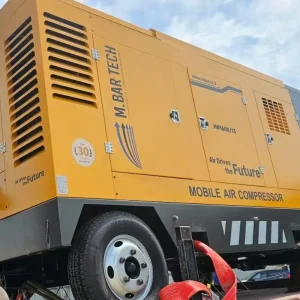
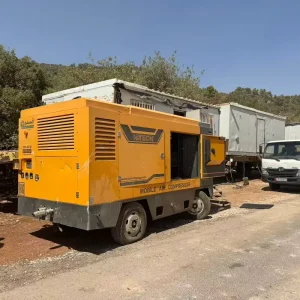
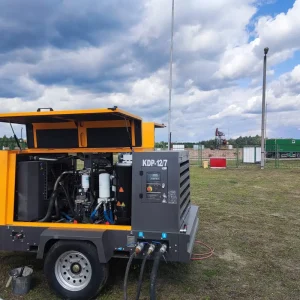
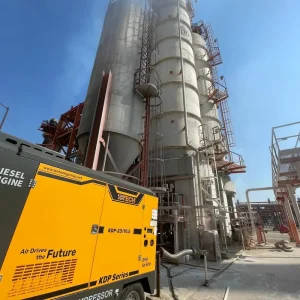
For temporary needs, maintenance, or well completions, portable diesel-driven compressors have been the norm. However, battery-electric or fuel cell-powered portable units are gaining traction. These offer zero direct emissions at the point of use, aligning with stricter site-specific air quality regulations and corporate ESG targets. We’ve seen these deployed successfully in sensitive areas where noise and emissions are tightly controlled.
Hybrid and Advanced Gas-Driven Systems (with caveats)
While the goal is electrification, some remote sites lack grid power. In these scenarios, advanced natural gas-driven compressors with integrated emission control technologies (e.g., catalytic converters, lean-burn engines) can offer a lower-emission alternative to older, inefficient models. However, it’s critical to understand that these still have inherent emissions from combustion and potentially from gas leakage, making them a temporary bridge rather than a long-term solution compared to electric alternatives. Honestly, based on our experience, the long-term ROI usually favors electrification where feasible.
Deployment Challenges and Misconceptions
Adopting new technologies always comes with hurdles. A common misconception is that the upfront capital expenditure (CapEx) for electric compressors and associated infrastructure is prohibitive. While initial costs can be higher, the long-term operational savings from reduced fuel consumption, lower maintenance, and avoided carbon penalties often demonstrate a compelling total cost of ownership (TCO). However, it’s true that sites lacking reliable grid access or sufficient power capacity present a significant boundary condition. In such cases, microgrids, solar-plus-storage solutions, or high-efficiency hybrid systems become necessary considerations. This isn’t a one-size-fits-all solution; each site demands a tailored assessment.
Implementing a Robust Low-Emission Strategy
A successful transition to low-emission air compression requires a structured approach:
- Comprehensive Site Assessment: Begin by auditing existing pneumatic devices and identifying all potential methane emission points. Quantify current gas consumption and venting rates.
- Power Infrastructure Evaluation: Determine available electrical power at each site. Identify opportunities for grid connection, renewable energy integration (solar, wind), or upgrading existing power generation.
- Technology Selection: Choose the appropriate low-emission compressor technology based on site-specific needs, power availability, and regulatory requirements. Prioritize electric systems where feasible.
- Phased Implementation Plan: Develop a staged rollout, focusing on the highest-emitting sites or those with the most accessible power first. This allows for learning and optimization.
- Monitoring and Verification: Implement robust leak detection and repair (LDAR) programs and continuous emission monitoring (CEM) to verify emission reductions and ensure ongoing compliance.
- Training and Maintenance: Ensure operational staff are well-trained on the new equipment and that maintenance schedules are optimized to prevent future leaks or inefficiencies.
This systematic approach helps ensure that the investment in low-emission air compressor applications yields maximum environmental and operational benefits.
Expert Insights
The shift to low-emission air compressor applications is more than just an environmental initiative; it's a fundamental retooling of operational infrastructure that delivers tangible economic benefits. From my perspective, companies that proactively invest in these technologies aren't just meeting compliance; they're future-proofing their assets and securing a competitive edge in a rapidly changing energy market.
Further Reading
- Air Compressor Applications for Oilfield Pressure Testing Tasks
- Multi-Scenario Oil & Gas Air Compressor Practical Applications
- Mining Air Compressor Industry Demand & Consumption Trends
- Global Mining Air Compressor Industry Analysis & Market Outlook
- Low-Emission Air Compressor Applications for Oil & Gas Operations – Industrial Air Com
- High-Pressure Air Compressor Applications in Oil & Gas Industry
- Durable Air Compressor Applications for 24H Oil & Gas Production
- Mining Air Compressor Procurement Trends | Industry Insights
About the Author

Related Reading: How Air Compressors Support Oil & Gas Pipeline Maintenance
Related Applied Cases