Unlocking Mine Profitability with High-Efficiency Air Compressors
Industry Insights Into High-Efficiency Mining Air Compressor Market
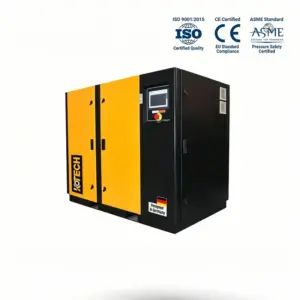
- Energy Efficiency is Now Non-Negotiable: High-efficiency units, especially Variable Speed Drive (VSD) compressors, are no longer a luxury but a necessity for managing escalating operational expenditures in mining.
- Digitalization Drives Performance: Integrated IoT and predictive maintenance systems are crucial for maximizing uptime and optimizing energy consumption, moving beyond reactive repairs.
- Sustainability is a Core Driver: Environmental regulations and corporate ESG goals are pushing for lower carbon footprints, making energy-efficient air systems a strategic investment.
- Total Cost of Ownership (TCO) Dominates Decisions: Initial capital expenditure is increasingly secondary to long-term operational savings, particularly in energy and maintenance.
The Undeniable Shift: Why Efficiency Isn’t Optional Anymore
Look, the days of just buying the cheapest compressor are long gone. For any serious mine operator, the core conclusion today is that the high-efficiency mining air compressor market isn’t just growing; it’s *mandating* a shift. We’re seeing an industry-wide pivot away from traditional fixed-speed units to advanced, energy-optimized systems. This isn’t theoretical; it’s a direct response to bottom-line pressures and evolving environmental standards. Mining operations, whether open-pit or underground, demand robust, reliable, and, crucially, energy-efficient compressed air. Failing to adapt means hemorrhaging money on energy bills and falling behind on sustainability targets. Frankly, any mine not seriously evaluating their compressed air system’s efficiency is leaving a lot of money on the table.
Driving Forces: Data Behind the Efficiency Mandate
The numbers don’t lie. Energy consumption is the elephant in the room for mining operations.
Beyond energy, reliability is paramount. Unplanned downtime due to compressor failure can cost hundreds of thousands, if not millions, in lost production per day. High-efficiency units often come with better build quality, advanced monitoring, and robust components designed for continuous heavy-duty operation, directly impacting uptime.
Beyond the Spec Sheet: Deconstructing Real-World Performance
When we talk high-efficiency, we’re not just comparing nameplate motor ratings. We’re looking at the whole system. For example, a mine might need high air flow for drilling in one shift, then significantly less for maintenance or support activities. A VSD unit adjusts its motor speed, consuming only the energy required, unlike a fixed-speed unit that either runs at full power or cycles on/off, both being less efficient.
Another aspect is heat recovery. Many modern high-efficiency compressors are designed with integrated heat recovery systems. This allows mines to capture the waste heat generated during compression and repurpose it for other applications, such as space heating for workshops or pre-heating water. This isn’t just good for the environment; it’s another layer of operational savings, reducing reliance on other energy sources. It’s a smart way to squeeze every bit of value out of your energy input.
When High-Efficiency Might Not Be Your First Priority
Now, let’s be real. While high-efficiency is almost always the goal, there are boundary conditions where a top-tier, VSD-equipped system might not be the *absolute* first priority. For instance, in extremely remote, small-scale exploratory mining operations with very short lifespans (say, under a year), where the upfront capital cost is critically constrained and the energy grid is unstable or non-existent, a simpler, more rugged, fixed-speed diesel compressor might still be considered. The focus here shifts from long-term OPEX to immediate CAPEX and absolute reliability in harsh, unsupported environments, even if it means higher fuel consumption. This scenario, however, is becoming rarer as electrification and modular, mobile, high-efficiency electric systems become more accessible. It’s a niche case, but it exists.
Implementing Smart Air: Practical Steps for Mine Operators
Transitioning to high-efficiency compressed air systems requires a strategic approach. It’s not just about swapping out old units.
- Conduct a Comprehensive Air Audit: Before anything else, understand your current air demand profile. Where are the leaks? What are the peak and base loads? An audit provides the data needed to right-size new equipment and identify immediate efficiency gains.
- Prioritize VSD Technology: For operations with fluctuating air demand, VSD compressors offer the best ROI. Evaluate multiple manufacturers based on their proven track record in mining, service network, and specific features like robust filtration and cooling for dusty environments.
- Integrate with Predictive Maintenance: Leverage IoT sensors and data analytics. Modern compressors can provide real-time performance data, allowing for predictive maintenance schedules. This prevents costly breakdowns and optimizes service intervals, extending equipment lifespan.
- Consider Heat Recovery: If your mine has a need for process heat or space heating, investigate compressors with integrated heat recovery. It’s a double win for efficiency and sustainability.
- Train Your Team: Even the most advanced compressor needs competent operators and maintenance staff. Invest in training to ensure proper operation, routine checks, and basic troubleshooting.
This market isn’t waiting for anyone. The mines that embrace these technologies now will be the ones setting the pace for profitability and environmental stewardship in the years to come.