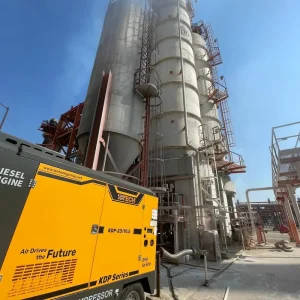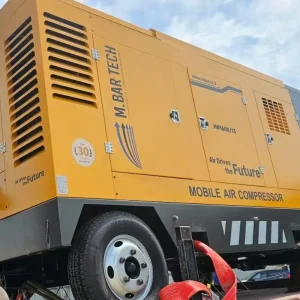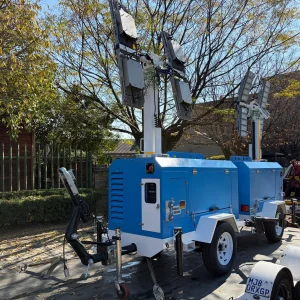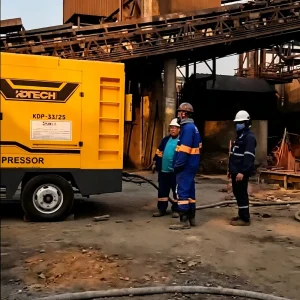

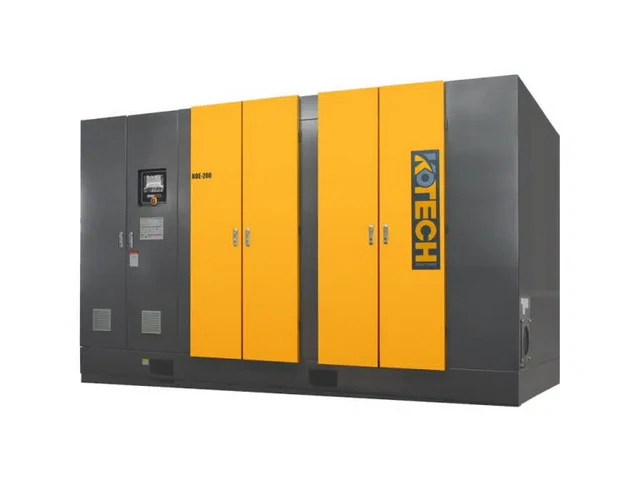
For any serious player in the off-grid mining sector, portable diesel air compressors aren't just an option; they're a non-negotiable asset. These robust machines deliver the consistent, high-pressure air critical for everything from drilling and blasting to powering pneumatic tools in environments where grid power is nonexistent. Our experience shows reliable, self-contained air power directly translates to operational continuity and cost efficiency in remote locations.
Unlocking Remote Mining Potential with Portable Diesel Air Compressors
Key Takeaways
- Off-grid mining relies heavily on portable diesel air compressors for autonomous pneumatic power.
- These units offer mobility, durability, and consistent air delivery in remote locations.
- Selection must align with specific CFM/PSI needs, engine reliability, and fuel efficiency.
- Proactive maintenance, on-site spares, and robust fuel management are vital for uptime.
- While indispensable off-grid, electric or smaller gasoline units may suit specific, less demanding applications.
Related: Diesel-powered air solutions for isolated mines · remote site pneumatic tools · heavy-duty air compression · mobile mining support · autonomous power generation for drilling · blasting · and ventilation.
Key Insights:
- Portable diesel air compressors are the backbone of pneumatic operations in off-grid mining, ensuring self-sufficiency.
- Their mobility and robust design directly address the critical challenges of power access and equipment durability in remote sites.
- Strategic selection, focusing on CFM, PSI, and fuel efficiency, is crucial for optimizing operational costs and productivity.
- Proactive maintenance and efficient fuel logistics are paramount to minimizing downtime in isolated mining environments.
- The global demand for minerals and the expansion of exploration into remote areas continue to drive reliance on these self-contained power units.
The Unavoidable Need for Mobile Air Power in Remote Mining
Let’s cut right to it: if you’re operating a mine site beyond the reach of conventional power grids, portable diesel air compressors are your lifeline for compressed air. Period. We’re talking about operations where every piece of equipment needs to be self-sufficient, durable, and capable of performing under extreme conditions. These units provide the muscle for everything from rock drilling and trenching to powering heavy-duty pneumatic tools and even specialized ventilation systems. Without them, most exploration and extraction efforts in truly off-grid zones would simply grind to a halt.
Driving Efficiency: Market Trends & Operational Realities
The mining sector’s push into more remote and challenging geographies is a clear trend. The global portable air compressor market, significantly driven by mining and construction, is projected to reach over $10.5 billion by 2030, according to a 2023 report by Grand View Research, underscoring the sustained demand for these mobile solutions. This growth isn’t just about new mines; it’s about optimizing existing remote sites for better output and lower costs.
From where I sit, the focus has shifted from merely having air to having reliable, cost-effective air. Fuel efficiency in these diesel units is no longer a luxury; it’s a critical factor. With fuel transportation costs to remote sites often astronomical, every liter saved directly impacts the bottom line. Miners are increasingly looking for compressors with advanced engine management systems and variable speed drives to match air output precisely to demand, reducing unnecessary fuel burn.
Key Challenges & How Portable Diesel Solves Them
Off-grid mining presents a unique set of operational headaches. Power infrastructure is non-existent, logistics are complex, and equipment breakdown can mean days or weeks of costly downtime. Here’s how portable diesel air compressors directly tackle these issues:
- No Grid, No Problem: Diesel compressors are fully self-contained power units. They generate their own power, making them indispensable where grid electricity is unavailable or unreliable. This autonomy is crucial for initial site development, exploration drilling, and small-to-medium scale extraction operations.
- Mobility & Flexibility: These units are designed for easy transport across rugged terrain. Whether you’re moving from one drill site to another or relocating to a new exploration zone, their trailer-mounted or skid-mounted configurations allow for rapid deployment and repositioning, minimizing operational delays.
- Durability in Harsh Environments: Mining environments are brutal—dust, extreme temperatures, and constant vibration are the norm. Reputable portable diesel compressors are engineered with heavy-duty chassis, robust enclosures, and industrial-grade components to withstand these conditions, ensuring continuous operation where lesser equipment would fail.
- Consistent Airflow & Pressure: Critical mining tasks like percussion drilling, rock splitting, and abrasive blasting demand consistent high-pressure air. Diesel compressors are built to deliver sustained CFM (cubic feet per minute) and PSI (pounds per square inch) ratings, maintaining tool performance and operational efficiency even under continuous load.
Selecting the Right Unit: Practical Considerations
Choosing the correct portable diesel air compressor isn’t a one-size-fits-all decision. It requires a careful assessment of your specific needs. Honestly, I’ve seen too many operations undersize or oversize their equipment, leading to either constant breakdowns or wasted capital. Here’s what to factor in:
- CFM (Cubic Feet Per Minute) Requirements: This is arguably the most critical specification. Calculate the total CFM needed for all pneumatic tools and processes you plan to run simultaneously, adding a buffer for future expansion or unexpected demand spikes. Running a compressor at its absolute limit continuously will shorten its lifespan significantly.
- PSI (Pounds Per Square Inch) Output: Ensure the compressor can deliver the required pressure for your most demanding tools. High-pressure applications like deep-hole drilling or specialized blasting require higher PSI capabilities.
- Engine Reliability & Fuel Efficiency: Look for units with well-regarded industrial diesel engines (e.g., Cummins, Caterpillar, John Deere). Check their specific fuel consumption rates. A higher upfront cost for a more fuel-efficient engine often pays for itself many times over in remote operations due to reduced fuel logistics and purchasing costs. The global average diesel price volatility, as tracked by the IEA in 2024, makes fuel efficiency an even more pressing concern for long-term operational budgeting.
- Serviceability & Parts Availability: In remote locations, quick repairs are essential. Prioritize brands with an established global service network and readily available spare parts. Easy access to filters, fluids, and common wear parts can make or break your uptime.
- Environmental Controls: Consider features like cold-start packages for sub-zero temperatures or heavy-duty filtration systems for dusty environments. These add-ons protect your investment and ensure performance in extreme conditions.
When Not to Choose Diesel: Boundary Conditions
While portable diesel air compressors are champions in off-grid scenarios, they’re not a universal solution. For instance, if your mining operation is very small, short-term, and requires minimal air, a gasoline-powered unit might be a lighter, more cost-effective initial investment, though with higher ongoing fuel costs and less durability. Moreover, in an increasingly environmentally conscious landscape, if you have access to a stable, renewable energy source (like solar arrays or micro-hydro) and your power demands are consistent and within the capabilities of electric compressors, then an electric-driven portable compressor becomes a viable, cleaner alternative. However, this only truly holds when the renewable power generation and storage infrastructure is robust enough to handle the surge demands of starting large compressors and maintaining continuous operation, which is a significant capital expenditure in itself for remote sites.
Maximizing Uptime: Maintenance & Fuel Logistics
In the world of remote mining, downtime isn’t just an inconvenience; it’s a financial bleed. A single day of halted operations can wipe out weeks of profit. According to a 2023 report by PwC on mining industry challenges, unplanned downtime remains a top concern, costing operators billions annually. Proactive maintenance and streamlined fuel logistics are your primary weapons against this.
- Scheduled Maintenance is Non-Negotiable: Stick to the manufacturer’s recommended service intervals religiously. This includes regular oil changes, filter replacements (air, oil, fuel), and checking fluid levels. Implement a detailed maintenance log for each unit.
- On-Site Spares Inventory: Keep a critical inventory of spare parts on site. Think filters, belts, common sensors, and essential hoses. Waiting for parts to be shipped to a remote mine can be crippling.
- Fuel Quality & Storage: Contaminated fuel is a killer for diesel engines. Implement strict fuel handling and storage protocols. Use high-quality diesel, ensure storage tanks are clean and free of water, and utilize secondary filtration before fueling.
- Operator Training: Ensure all operators are thoroughly trained not only on how to run the compressor but also on basic troubleshooting and daily checks. An alert operator can spot a minor issue before it escalates into a major breakdown.
- Remote Monitoring Systems: Modern compressors often come with telematics or remote monitoring capabilities. Investing in these systems allows you to track performance, fuel consumption, and potential issues from a central location, enabling predictive maintenance and optimizing logistics.
Expert Insights
From my long tenure in this field, the real game-changer isn't just the power a compressor delivers, but its ability to keep delivering it, day in and day out, hundreds of miles from the nearest paved road. The best unit isn't always the cheapest; it's the one that minimizes your operational headaches and maximizes your productive hours. Investing in quality, paired with meticulous maintenance, is the only sustainable path for off
— grid mining.
Further Reading
- Mobile Air Compressor Applications for Remote Oil & Gas Sites
- Troubleshooting Low Pressure in Mining Air Compressor Systems
- Two-Stage Compressor for Powering Jackhammers and Drills
- Air Compressor Solutions for Mining Equipment Maintenance Shops
- Off-Grid Mining, Portable Diesel Air Compressors, Remote Mining Equipment, Mobile Compressed Air – The Evolution of M
- Two-Stage Air Compressor Applications in Agricultural Equipment
- Practical Applications of Diesel Portable Compressors in Mining Sites
- How to Calculate the Right CFM for Your Mining Air Compressor
About the Author

Related Reading: Air Compressor Solutions for Mining Drill & Blast Operations
Related Applied Cases