Modern Mining Air Compressors: Smarter, Stronger, More Sustainable
The Core Shift: Efficiency and Intelligence Define Modern Mining Air Compressors
When you look back twenty years, mining air compressors were largely about raw power and brute-force reliability. The primary goal was simple: deliver enough air pressure and volume to keep drills biting and tools turning. Today, that narrative has completely flipped. The modern mining air compressor isn’t just a piece of machinery; it’s an intelligent component of a larger, interconnected operational ecosystem. The biggest pain points for mine operators – crippling energy costs, unexpected downtime, and the sheer labor intensity of maintenance – have directly fueled this technological revolution. We’re not just buying air, we’re investing in uptime and efficiency.
Data-Driven Transformation: Quantifying Progress
The shift isn’t just anecdotal; the numbers tell a clear story. Energy consumption has historically been the elephant in the room for compressed air systems.
Beyond direct energy savings, the market itself reflects this pivot towards smarter, more efficient solutions. This growth signals a clear industry-wide adoption of these advanced systems. Furthermore, the integration of digital tools has tangible benefits for operational continuity. Frankly, ignoring these numbers means leaving money on the table.
From Dumb Iron to Smart Systems: The Technological Leap
The journey from yesterday’s workhorse to today’s intelligent system is multifaceted. It’s not one single innovation but a confluence of engineering advancements, digital integration, and a sharpened focus on total cost of ownership (TCO).
Variable Speed Drive (VSD) Compressors: The Energy Game Changer
Twenty years ago, fixed-speed compressors dominated the scene. They were either on or off, running at full capacity regardless of actual air demand. This led to significant energy waste during off-load cycles. VSD technology changed everything. By adjusting motor speed to match demand, VSD compressors eliminate costly idle time and reduce power consumption dramatically. This isn’t just about saving a few bucks; for a large-scale mining operation, it can translate into millions of dollars annually.
Robustness Meets Refinement: Durability and Design Evolution
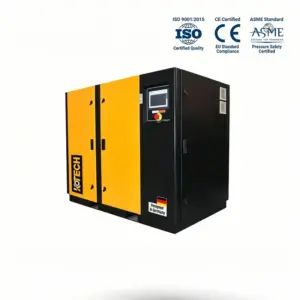
Mining environments are notoriously harsh – dust, extreme temperatures, vibrations, and remote locations. Compressors have always needed to be tough. What’s evolved is *how* they’re tough. Modern mining air compressors feature enhanced enclosure designs, superior filtration systems to combat abrasive dust, and advanced cooling systems to handle high ambient temperatures. Components are designed for easier access and quicker replacement, minimizing maintenance windows. Modular designs are also gaining traction, allowing for easier scalability and repair in the field, which is crucial for remote sites.
The Digital Frontier: IoT, Predictive Maintenance, and Remote Management
Perhaps the most transformative change has been the integration of digital technologies. IoT sensors are now standard, monitoring everything from pressure and temperature to vibration levels and oil quality. This data isn’t just collected; it’s analyzed in real-time, enabling predictive maintenance. Instead of waiting for a breakdown, operators receive alerts, allowing them to schedule maintenance proactively. Remote monitoring capabilities mean a technician doesn’t need to be physically present to diagnose an issue, saving travel time and costs. This level of insight was unthinkable two decades ago. The ability to monitor a fleet of compressors across multiple sites from a single control room has fundamentally changed how operations are managed.
Environmental and Safety Imperatives: Cleaner, Quieter Operations
Environmental regulations and worker safety have driven significant innovation. Modern compressors are designed to be quieter, reducing noise pollution in already noisy mining environments. Oil-free options, while not always necessary for general mining, are increasingly specified for sensitive applications to prevent contamination. Emissions controls and more efficient energy use also contribute to a smaller environmental footprint, aligning with global sustainability goals that are becoming non-negotiable for major mining corporations.
Where Older Tech Still Holds Its Ground (and Where It Doesn’t)
It’s tempting to think that all older compressor technology is obsolete, but that’s not always the case. For very specific, constant-load applications – where air demand is consistently high and unwavering for extended periods – a well-maintained, fixed-speed compressor can still be a cost-effective solution upfront. These units are simpler, often cheaper to acquire, and their maintenance can be straightforward.
However, this scenario is becoming increasingly rare in modern mining. Most operations experience fluctuating demand due whether it’s due to shift changes, specific drilling patterns, or varied equipment usage. In these situations, the energy penalty of a fixed-speed unit running inefficiently quickly outweighs any initial capital savings. Relying on older tech also means sacrificing the benefits of predictive maintenance, remote monitoring, and improved safety. If you’re not tracking energy consumption and uptime metrics, you’re missing out on critical operational intelligence.
Implementing Modern Solutions: Practical Steps for Mine Operators
Upgrading your compressed air system isn’t just about buying the latest model; it’s about strategic implementation. First, conduct a thorough energy audit of your existing system. Understand your actual air demand profile. This data is crucial for sizing new equipment correctly and identifying potential leaks or inefficiencies in your current setup.
Second, prioritize total cost of ownership (TCO) over initial purchase price. A cheaper compressor upfront might cost you significantly more in energy and maintenance over its lifespan. Invest in VSD technology for variable demand and explore IoT-enabled models for enhanced monitoring.
Finally, don’t overlook integration and training. A new, smart compressor needs to integrate seamlessly with your existing control systems, and your maintenance teams need proper training to leverage its advanced features. A well-executed upgrade plan can drastically improve operational efficiency and significantly reduce your long-term energy spend.
Navigating the Future: What’s Next for Mining Air Compressor Tech
The evolution won’t stop here. We’re already seeing early signs of even deeper AI integration, where compressors can self-optimize based on real-time operational data, weather conditions, and even geological factors. Advanced materials will further improve durability and reduce weight, making units more portable and robust. Autonomous operation and seamless integration with broader mine automation systems are also on the horizon. The future of mining air compressor technology promises even greater efficiency, autonomy, and a deeper level of integration into the smart mine of tomorrow.