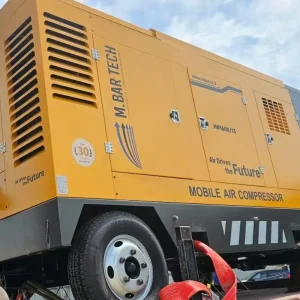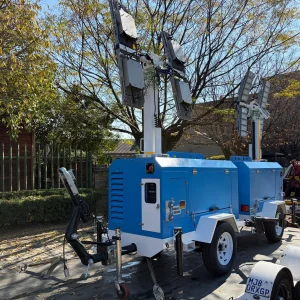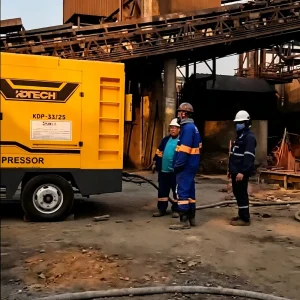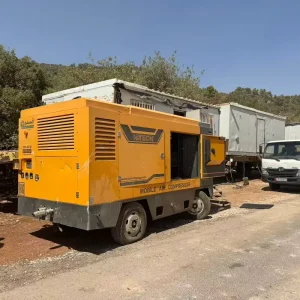

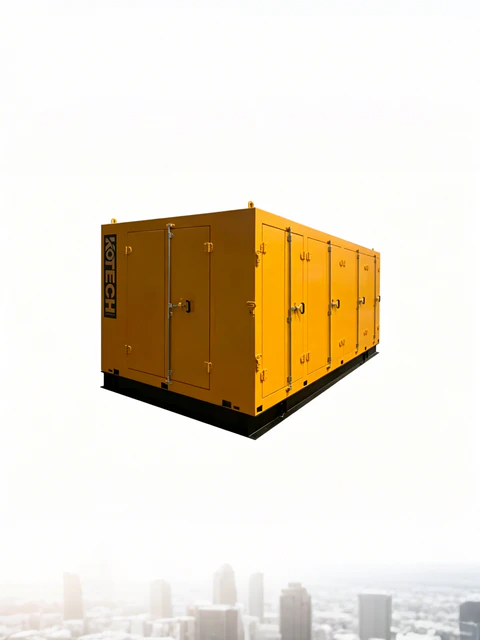
Portable diesel air compressors are the backbone of efficient mine blasting operations, especially for drilling holes in remote, rugged environments. Their self-contained power, robust design, and mobility ensure continuous, high-pressure air delivery, directly impacting productivity and safety. This piece dives into the critical applications, selection criteria, and operational considerations that seasoned pros leverage to maximize uptime and cost-effectiveness.
Unlocking Mine Blasting Efficiency with Portable Diesel Air Compressors
Key Takeaways
- Portable diesel air compressors are fundamental for powering rock drills in mine blasting operations.
- Reliability and portability are critical for maintaining blasting schedules and accessing remote sites.
- Fuel efficiency, particularly from Tier 4 Final engines, offers significant operational cost savings.
- Accurate matching of compressor CFM/PSI to drill rig requirements is crucial for efficiency and equipment longevity.
- Proactive maintenance is vital to prevent costly downtime, which can reach $250,000 per hour in large-scale mining (Deloitte 2023).
- Diesel remains the dominant power source for heavy mining machinery (over 70% in surface mining, Mordor Intelligence 2023) due to power density and range.
- While electric alternatives exist for specific scenarios, diesel's independence and power make it indispensable for most surface blasting.
Related: Mobile air compressor · diesel-powered air supply · borehole preparation · rock excavation · blast hole drilling · remote site operations · heavy-duty air compressors · mining productivity
In the world of surface mining, there’s no room for guesswork or unreliable gear, especially when it comes to preparing blast holes. Portable diesel air compressors aren’t just another piece of equipment; they’re the lifeblood of effective rock excavation. From my 12 years in the field, I’ve seen firsthand how an optimized compressed air setup can make or break a mine’s production schedule. These units deliver the consistent, high-pressure airflow essential for powering pneumatic drill rigs, ensuring precise and efficient borehole creation before any explosive charges are laid.
Here are my key insights for anyone serious about mine blasting operations:
- Reliability is paramount: Uninterrupted air supply directly impacts blasting schedules and overall mine productivity. Downtime here is catastrophic.
- Portability ensures operational flexibility: Moving compressors across rugged terrain to support new drill sites is non-negotiable for efficiency. Grid power simply isn’t an option for most blasting operations.
- Fuel efficiency drives cost savings: Modern diesel engines significantly reduce operational expenses in remote mining locations where fuel logistics are complex and costly.
- Matching compressor specs to drill rigs is critical: Incorrect CFM/PSI leads to inefficient drilling, premature wear, and potential equipment damage.
- Robust design withstands harsh mining environments: Equipment must endure dust, extreme temperatures, and heavy vibrations without faltering.
The Indispensable Role of Portable Diesel Air Compressors for Blasting Holes
When you’re out in the field, often miles from any power grid, the ability to generate your own high-pressure air is non-negotiable. Portable diesel air compressors provide that crucial independence. They’re engineered to withstand the brutal conditions of mine sites – extreme temperatures, pervasive dust, and constant vibrations are par for the course. Their primary application involves powering rock drills, which require a steady, high-volume supply of compressed air to efficiently bore holes into various rock formations.
Without these robust units, the entire blasting sequence grinds to a halt. We’re talking about direct impact on drilling speed, bit life, and ultimately, the consistency of the blast pattern. Any inconsistency here translates directly into costly secondary breakage and reduced yield. This isn’t just theory; it’s what we live by. For instance, a 2023 report by Deloitte highlighted that unplanned downtime in mining operations can easily cost upwards of $250,000 per hour for large-scale sites. That’s why reliability isn’t a luxury; it’s a fundamental requirement.
Critical Performance Factors: CFM, PSI, and Engine Reliability
Selecting the right portable diesel air compressor for mine blasting holes boils down to understanding a few core metrics: Cubic Feet per Minute (CFM) and Pounds per Square Inch (PSI). The CFM rating dictates the volume of air produced, while PSI determines the pressure. Your drill rig’s specifications will dictate the precise CFM and PSI requirements. Undersizing can lead to slow drilling, premature wear on drill bits, and inefficient hole cleaning. Oversizing, while offering some buffer, often means higher initial cost and unnecessary fuel consumption.
Beyond air delivery, the engine itself is critical. Modern compressors typically feature Tier 4 Final compliant diesel engines. These engines aren’t just about meeting emissions standards; they also bring significant operational benefits. Based on industry reports from leading manufacturers like Caterpillar and Cummins in 2022, modern Tier 4 Final diesel engines can offer up to a 10-15% improvement in fuel efficiency compared to older models. That translates into substantial savings over a machine’s lifespan, especially when you’re burning thousands of gallons of diesel annually.
Economic & Operational Imperatives: Fuel, Maintenance, and Uptime
The total cost of ownership (TCO) for a portable diesel air compressor in mining goes far beyond the initial purchase price. Fuel consumption is often the largest operational expense. Optimizing this means not only selecting fuel-efficient models but also implementing smart operational practices like matching compressor output to actual demand and ensuring proper engine tuning.
Maintenance, too, plays a pivotal role in uptime and longevity. Harsh mining environments mean filters clog faster, hoses degrade quicker, and components experience accelerated wear. A proactive maintenance schedule, including regular air filter changes, oil analyses, and pressure checks, is non-negotiable. Skipping these steps is a false economy that inevitably leads to costly breakdowns. Old-timers like me have seen it time and again: a few skipped services can turn a minor issue into a major overhaul, costing days of production.
Navigating Environmental Compliance & Technological Shifts
The mining industry is under increasing pressure to reduce its environmental footprint. This isn’t just about public perception; it’s about stringent regulations. Tier 4 Final emissions standards for diesel engines are a prime example. These regulations mandate significantly reduced particulate matter and nitrogen oxide emissions, pushing manufacturers to innovate with advanced engine technologies like Selective Catalytic Reduction (SCR) and Diesel Particulate Filters (DPF).
While compliance adds complexity and sometimes initial cost, it also drives efficiency. Furthermore, we’re seeing a slow but steady integration of telematics and remote monitoring systems into these compressors. This allows mine operators to track fuel consumption, engine hours, and performance metrics from a central location, enabling predictive maintenance and optimizing deployment. According to a 2023 analysis by Mordor Intelligence, while electric options are emerging, diesel-powered equipment still accounts for over 70% of the heavy machinery used in surface mining due to its unmatched power density and range, particularly in remote and high-demand applications.
When Diesel Might Not Be the Only Answer
It’s important to acknowledge that while diesel power dominates for mine blasting holes, it’s not a universal solution. For very small, short-term projects or operations in extremely confined, ventilation-challenged underground mines where exhaust fumes are a critical concern, electric compressors might be considered. Similarly, if a mine site has readily available, robust grid power right at the drilling location, an electric stationary compressor could offer lower running costs and zero on-site emissions. However, for the vast majority of surface mine blasting operations, where mobility, power independence, and sheer raw power are paramount, portable diesel air compressors remain the undisputed champions.
Best Practices for Deployment and Maintenance
Deploying and maintaining these units effectively is crucial. First, always ensure the compressor is leveled on stable ground to prevent issues with lubrication and fuel delivery. Second, implement a rigorous daily pre-shift inspection checklist: check fluid levels, tire pressure, hose integrity, and look for any leaks. Third, train your operators not just on how to run the drills, but also on the basics of compressor operation and troubleshooting. A well-informed operator can often identify minor issues before they escalate into major problems. Finally, keep a ready stock of critical spare parts – filters, belts, and common wear items – especially for remote locations where supply chains can be slow.
Regular calibration of pressure gauges and safety valves is also often overlooked. These components are vital for both operational efficiency and, more importantly, safety. We’re dealing with high pressures here, and faulty safety mechanisms can lead to catastrophic failures. I mean, honestly, skimping on safety checks? That’s just asking for trouble, and frankly, it’s a non-starter in any professional mining operation.
Expert Insights
"Having spent over a decade in the trenches, I can tell you that the performance of your portable diesel air compressor directly correlates with your mine's blasting efficiency. Skimp on quality or maintenance, and you're not just risking downtime; you're jeopardizing your entire production cycle and safety record. The move towards more fuel-efficient, compliant engines isn't just about regulations; it's about smart business in an increasingly competitive and cost
— conscious industry."
Further Reading
- Air Compressor Applications for Oilfield Pressure Testing Tasks
- The Evolution of Mining Air Compressor Technology Over 20 Years
- Compressed Air Solutions for Mining Ore Processing & Sorting
- Practical Applications of Diesel Portable Compressors in Mining Sites
- Portable diesel air compressor, mine blasting holes, mining equipment, rock drilling, compressed air systems, surface mining, drilling operations – Oil & Gas Air
- How to Calculate the Right CFM for Your Mining Air Compressor
- Two-Stage Air Compressor Uses in Wastewater Treatment Plants
- Portable Diesel Air Compressor Applications for Mining Drilling Work
About the Author

Related Reading: Integrated Air Compressor Systems for Open-Pit Mining Operations
Related Applied Cases