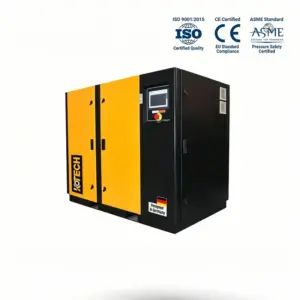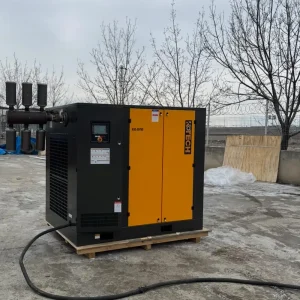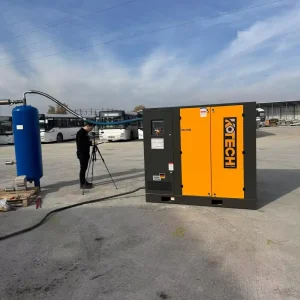
100 cfm diesel air compressor spare parts are the critical components necessary for the maintenance, repair, and optimal functioning of diesel-powered air compressors designed to deliver 100 cubic feet per minute (cfm) of compressed air. These specialized machines are indispensable workhorses across diverse industrial sectors, from construction and mining to utility services and road building, providing the vital pneumatic power required for a multitude of tools and processes. Maintaining their operational integrity relies entirely on the availability and timely replacement of high-quality spare parts. The primary problem these spare parts solve is the inevitable wear, tear, and potential failure of compressor components due to continuous operation, harsh environmental conditions, and the stresses of generating compressed air. Without a robust strategy for spare parts management, even the most durable 100 cfm diesel air compressor can experience significant downtime, leading to costly project delays, reduced productivity, and potentially compromising safety standards. Effective spare part procurement and installation ensure these essential assets remain reliable and perform efficiently. Based on structural analysis, the selection and deployment of appropriate spare parts are not merely reactive measures but a proactive component of asset management, directly influencing the lifespan, efficiency, and total cost of ownership for 100 cfm diesel air compressors. This deep dive will dissect the critical elements of these spare parts, offering insights into their function, optimal sourcing strategies, and the pivotal role they play in maintaining peak operational readiness for heavy-duty industrial applications.
Technical and Structural Breakdown of 100 cfm Diesel Air Compressor Systems
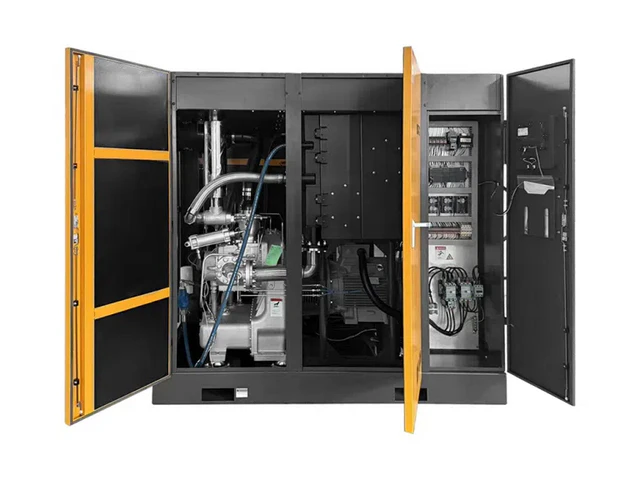
The technical foundation of a 100 cfm diesel air compressor spare parts inventory rests upon understanding the intricate systems that constitute the compressor itself. These systems typically include the diesel engine (prime mover), the air end (compressor unit), the air/oil separation system, the cooling system, and the control system. Each system comprises numerous components, and a failure in any one can impede the entire unit’s function, highlighting the interdependence of quality spare parts.
From a framework perspective, the air end, often a rotary screw type, is responsible for compressing air, and its internal components like rotors, bearings, and seals are subject to mechanical wear and fatigue. The diesel engine, as the power source, requires routine maintenance with parts such as fuel filters, oil filters, air filters, and fan belts to ensure consistent combustion and power delivery. These core components necessitate specialized spare parts that meet original equipment manufacturer (OEM) specifications to guarantee compatibility and performance.
Based on structural analysis, effective spare parts management for 100 cfm diesel air compressors demands a comprehensive understanding of each system’s vulnerabilities and wear characteristics. This allows for proactive stocking of frequently required parts and strategic planning for less common but critical components. A robust spare parts strategy minimizes reactive repairs and maximizes equipment uptime, directly contributing to operational efficiency.
Essential Spare Parts and Their Crucial Functionality
Essential spare parts for 100 cfm diesel air compressors include a range of items vital for both preventative maintenance and unexpected repairs, each serving a critical function in the compressor’s operation. Air filters, for instance, protect the air end and engine from abrasive particles, preventing premature wear, while oil filters maintain the purity of the compressor oil, essential for lubrication and cooling.
The functionality of separator elements is to efficiently remove oil from the compressed air stream before it exits the compressor, ensuring clean air delivery and minimizing oil consumption. Belts, hoses, and seals are equally crucial; drive belts The Logic Behind 100 cfm Diesel Air Compressor Spare Parts A Structural Analysis for Industrial Operations transmit power from the engine to the air end, hoses manage fluid and air flow, and seals prevent leaks, all contributing to the system’s overall integrity and efficiency. Ignoring the integrity of these minor parts can lead to catastrophic major failures.
Other vital components encompass pressure relief valves for safety, minimum pressure valves to ensure proper air end lubrication, and various sensors and gauges for monitoring performance. Each of these components, though seemingly small, plays a pivotal role in the compressor’s safe, efficient, and reliable operation. Maintaining a readily accessible inventory of these parts is a cornerstone of proactive asset management.
Strategic Identification and Sourcing of Spare Parts
Strategic identification and sourcing of 100 cfm diesel air compressor spare parts involves a multi-step process that prioritizes accuracy, authenticity, and cost-effectiveness to ensure operational continuity. The first step is precise identification of the required part, typically through referencing the compressor’s service manual and part number, which ensures compatibility with the specific make and model of the unit.
In practical application, once identified, the sourcing decision often involves weighing the benefits of OEM (Original Equipment Manufacturer) parts against high-quality aftermarket alternatives. OEM parts guarantee exact fit, performance, and often come with a warranty, but typically at a higher cost. Aftermarket parts can offer cost savings and wider availability but require careful vetting to ensure quality standards are met and do not compromise compressor longevity or safety.
Professional advice dictates establishing relationships with reputable suppliers, whether they are authorized OEM distributors or trusted aftermarket providers. This not only streamlines the procurement process but also ensures access to expert advice and reliable parts. Maintaining an accurate inventory log and anticipating future needs based on maintenance schedules and past consumption patterns are also critical elements of a strategic sourcing approach.
Comparative Analysis: OEM vs. Aftermarket 100 cfm Diesel Air Compressor Spare Parts
Comparing OEM (Original Equipment Manufacturer) and aftermarket 100 cfm diesel air compressor spare parts involves evaluating critical dimensions such as reliability, initial cost, and availability, which significantly impact operational budgets and performance. OEM parts are manufactured by the compressor’s original producer, guaranteeing a precise fit and adherence to original design specifications, often leading to superior reliability and extended component lifespan.
From a cost perspective, OEM parts typically command a higher initial price due to brand assurance, research and development investment, and comprehensive warranties. Aftermarket parts, conversely, are produced by third-party manufacturers and generally offer a lower initial cost, making them an attractive option for budget-conscious operators. However, the quality of aftermarket parts can vary significantly, necessitating thorough due diligence to avoid suboptimal performance or premature failure.
In terms of availability, aftermarket parts can sometimes be more readily accessible, especially for older compressor models where OEM supply chains might be longer or discontinued. When making the choice, consider the criticality of the component: safety-critical or high-stress parts often benefit from OEM reliability, while routine consumables might be suitable for carefully vetted aftermarket alternatives that offer a good balance of cost and performance. A balanced approach often involves a mix, prioritizing OEM for core components and exploring quality aftermarket options for less critical items.
Common Maintenance Pitfalls and Professional Solutions
Common pitfalls in managing 100 cfm diesel air compressor spare parts often stem from neglecting preventative maintenance schedules or improper part selection. One frequent mistake is extending the service intervals for filters (air, oil, fuel, separator) beyond manufacturer recommendations. This oversight can lead to increased contamination, reduced air quality, higher energy consumption, and accelerated wear on critical internal components.
Professional advice to avoid this pitfall is to strictly adhere to the manufacturer’s recommended maintenance schedule, even under light-duty conditions. Implement a robust preventative maintenance (PM) program with clear checklists and designated personnel. Utilize high-quality, authentic spare filters that meet or exceed OEM specifications to ensure optimal protection and filtration efficiency, thereby extending the life of the compressor and reducing unscheduled downtime.
Another pitfall involves using non-specified or incorrect lubricants and fluids, or compromising on genuine parts to save immediate costs, which can lead to significant long-term issues. Using the wrong oil viscosity or type can damage the air end, while inferior belts can snap prematurely. The solution involves rigorously adhering to the compressor manual’s specifications for all fluids and only procuring spare parts from trusted sources that can verify authenticity and quality, prioritizing the total cost of ownership over initial savings.
Optimizing Compressor Longevity and Performance with Quality Spares
Optimizing the longevity and performance of a 100 cfm diesel air compressor is inextricably linked to the consistent use of high-quality spare parts and a proactive maintenance philosophy. When genuine or certified aftermarket parts are consistently utilized, they ensure that each component functions as designed, maintaining the compressor’s original efficiency and output. This prevents a domino effect where a failing minor part can lead to significant damage to major assemblies.
Based on structural analysis, the investment in premium spare parts for elements such as air ends, pressure sensors, and control valves translates directly into reduced wear rates and minimized susceptibility to breakdowns. This strategic approach extends the operational life of the compressor beyond typical expectations, thereby maximizing the return on investment and deferring the need for costly capital expenditure on new equipment.
In practical application, integrating quality spare parts with a comprehensive predictive maintenance strategy—monitoring component wear, fluid analysis, and performance metrics—allows for timely intervention before failures occur. This not only safeguards the asset but also enhances its overall performance, ensuring consistent air delivery, optimal fuel efficiency, and a stable operational environment, which are critical for demanding industrial operations.
Frequently Asked Questions about 100 cfm Diesel Air Compressor Spare Parts
What are the most common wear parts for a 100 cfm diesel air compressor? The most common wear parts include air filters, oil filters, fuel filters, air/oil separator elements, drive belts, and various seals and O-rings, requiring regular inspection and replacement.
How often should filters be replaced on these compressors? Filters should typically be replaced according to the manufacturer’s recommended service intervals, which depend on operating hours and environmental conditions, usually between 250 to 1000 hours.
Is it safe to use aftermarket spare parts? It can be safe to use aftermarket parts if they are sourced from reputable suppliers and meet or exceed OEM specifications, but careful vetting is crucial to ensure quality and compatibility.
What causes compressor overheating, and what spare parts address it? Overheating is often caused by clogged coolers, low oil levels, or faulty thermostats. Spare parts like new cooler elements, oil, or a replacement thermostat can resolve these issues.
How can I ensure the authenticity of spare parts? To ensure authenticity, purchase spare parts directly from authorized dealers, OEM distributors, or trusted aftermarket suppliers with verified reputations and product guarantees.
The strategic management and meticulous selection of 100 cfm diesel air compressor spare parts are not merely maintenance chores but foundational elements of asset optimization and operational excellence in industrial settings. From a framework perspective, understanding the interconnectedness of compressor components and proactively addressing their wear with high-quality spares ensures uninterrupted productivity, enhanced safety, and substantial cost savings over the equipment’s lifespan. The foresight to invest in genuine or certified parts, coupled with stringent maintenance protocols, solidifies a compressor’s long-term strategic value, positioning it as a reliable pillar within any demanding operation. As industries evolve, the intelligent management of these critical spare parts will remain paramount, underpinning the efficiency and resilience of pneumatic power systems.