Unlocking Performance: Mobile Diesel Air Compressors for Mining & Heavy Industrial Tasks
Key Insights:
- Modern mobile diesel air compressors are indispensable for maintaining uptime and productivity in remote, harsh mining and heavy industrial settings.
- Emissions-compliant engines (e.g., Tier 4 Final) are now standard, ensuring adherence to environmental regulations and reducing the carbon footprint.
- Selecting the right compressor requires a precise match of CFM and PSI to specific task demands, alongside considering serviceability and technological integration for long-term ROI.
The Unseen Powerhouse: Why Mobile Diesel Air Compressors Are Non-Negotiable
Let’s cut right to it: if you’re running a serious mining operation or managing heavy industrial tasks, reliable compressed air isn’t just a convenience—it’s the lifeblood of your productivity. Mobile diesel air compressors are the unsung heroes here, delivering the raw pneumatic power needed for everything from drill rigs and blasting to powering essential tools and ventilation systems in the most challenging conditions imaginable. They’re built to operate where grid power simply isn’t an option, or where portability is paramount.
These aren’t your garage air compressors; we’re talking about robust machines engineered for constant abuse, extreme temperatures, and dusty environments. The stakes are high: equipment failure means downtime, and downtime costs big money.
Beyond the Basics: Evolving Demands in Mining & Heavy Industry
The landscape for mining and heavy industrial operations has shifted dramatically over the past decade. It’s no longer just about pushing air; it’s about pushing it efficiently, cleanly, and reliably, often under immense pressure. Operators now face tighter environmental regulations, escalating fuel costs, and an increasing demand for intelligent equipment that can communicate its status.
Modern portable compressors offer capabilities that significantly impact the bottom line.
Key Pain Points Solved by Modern Diesel Air Compressors
Uptime & Reliability in Extreme Environments
The biggest headache in remote operations? Unscheduled downtime. When a drill rig goes down because its air supply failed, the ripple effect can halt an entire production line. Modern heavy-duty air compressors are engineered with superior components, often featuring robust chassis, heavy-gauge steel enclosures, and advanced filtration systems designed to keep dust and debris out of critical components. They boast enhanced cold-start capabilities, ensuring they fire up even in sub-zero temperatures, and can withstand the relentless heat of desert operations.
Investing in a compressor built for unwavering reliability isn’t an expense; it’s a critical insurance policy against catastrophic financial losses.
Fuel Efficiency & Operational Costs
Fuel is a major operational expense, especially when you’re powering multiple units across vast sites. Older diesel compressors could be real gas guzzlers. Today’s models, however, incorporate advanced engine management systems, variable speed drives (VSDs), and optimized air ends that precisely match air output to demand. This means the engine isn’t constantly running at full throttle when only partial air is needed, leading to substantial fuel savings.
Over the lifespan of a compressor, especially one operating 24/7, those percentage points translate into millions of dollars saved in total cost of ownership (TCO).
Emissions Compliance & Environmental Stewardship
Environmental regulations are getting stricter globally, and rightly so. Operating non-compliant equipment isn’t just bad for the environment; it can lead to hefty fines and reputational damage. Modern mobile diesel air compressors are equipped with Tier 4 Final (or equivalent) engines, featuring sophisticated exhaust aftertreatment systems like Diesel Particulate Filters (DPF) and Selective Catalytic Reduction (SCR).
These technologies drastically reduce harmful emissions such as nitrogen oxides and particulate matter. Compliance isn’t optional; it’s a prerequisite for sustainable operations and often a requirement for bidding on major projects.
Mobility & Versatility on Dynamic Sites
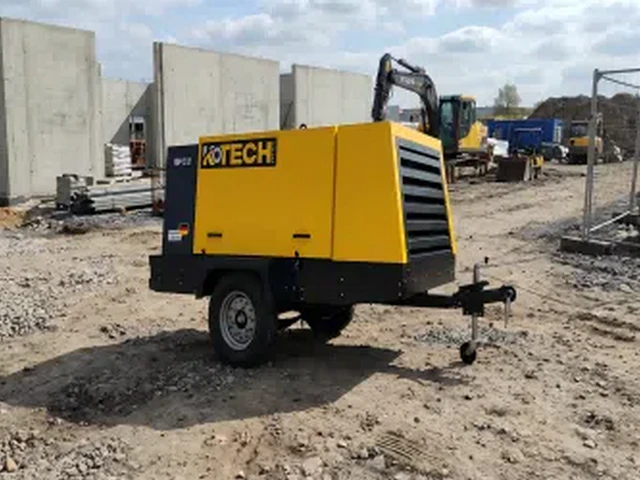
Mining and heavy industrial sites are rarely static. Equipment needs to be moved frequently to different blast sites, drilling locations, or construction zones. The “mobile” aspect of these compressors is therefore paramount. Whether skid-mounted for easy loading onto flatbeds, or trailer-mounted for towing across rugged terrain, their design prioritizes ease of transport and quick setup. This versatility reduces logistical complexities and allows for rapid deployment, ensuring that air power is always exactly where it’s needed, when it’s needed.
Choosing the Right Compressor: What to Look For
Matching CFM & PSI to Task Demands
This is where many companies make costly mistakes. Specifying a compressor requires a deep understanding of your actual air demands. Are you powering high-volume blast hole drills requiring 1,500 CFM at 350 PSI? Or is it a mix of smaller pneumatic tools and general air for a fabrication shop, needing closer to 400 CFM at 100 PSI? Over-specifying means wasted fuel and higher upfront costs. Under-specifying means insufficient power, leading to poor tool performance and extended project timelines.
For example, a large underground mining operation might require multiple smaller, electric compressors for localized ventilation and tools due to safety and ventilation constraints, where a large diesel unit would be unsuitable. Conversely, surface quarrying for aggregate processing demands massive diesel power for multiple jackhammers and rock drills simultaneously. It’s not a one-size-fits-all scenario.
Advanced Features & Technology Integration
The best compressors today are smart. Look for features like telematics for remote monitoring, GPS tracking, and predictive maintenance alerts. These systems can track fuel consumption, engine hours, and performance metrics, allowing for proactive servicing before a minor issue becomes a major breakdown. Some manufacturers are even introducing hybrid diesel-electric models, offering greater flexibility and further reducing fuel consumption and emissions in certain operating modes.
Serviceability & Support Network
No matter how robust a machine, it will eventually need service. The availability of spare parts, the strength of the dealer network, and the expertise of technicians in your region are critical considerations. A compressor from a reputable manufacturer with a strong service presence will always outperform a cheaper unit that leaves you stranded when a critical component fails.
The ROI of Smart Compressor Investment
The return on investment for a high-quality, modern mobile diesel air compressor comes from several angles: reduced fuel consumption, minimized downtime, lower maintenance costs, and compliance with environmental standards avoiding penalties. While the initial capital outlay might seem higher for advanced units, the long-term operational savings and increased productivity quickly justify the investment. Calculate your TCO carefully; it’s rarely just about the sticker price.
My Take: The Future is Smart, Tough, and Green
The trend is clear: we’re moving towards smarter, more fuel-efficient, and environmentally friendlier portable air solutions. The core need for raw, reliable power in mining and heavy industrial tasks isn’t going anywhere. But how that power is delivered, monitored, and maintained is changing rapidly. Don’t get left behind with outdated tech; the cost of inefficiency and non-compliance is simply too high.