
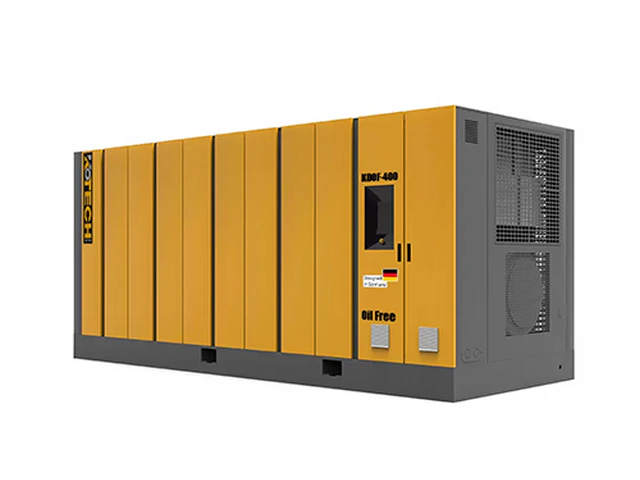
Critical Air Systems for Offshore Energy: Explosion-Proof Compressor Selection
Let’s be clear: specifying air compressors for an offshore oil & gas rig is not merely a purchasing decision; it’s a critical safety and operational imperative. The wrong choice can lead to catastrophic failures, costly downtime, and, most importantly, put lives at risk. You need intrinsically safe air systems that meet the stringent demands of hazardous area classification without compromise.
The Non-Negotiable Core: Why Explosion-Proof is Your Only Option
In the volatile atmosphere of an offshore rig, the presence of flammable gases, vapors, and dust is a constant threat. Standard industrial air compressors generate heat, electrical sparks, and static discharge—all potential ignition sources. Explosion-proof designs eliminate these risks by containing or preventing ignition, making them the only viable solution for these environments.
The consequences of a single ignition event can devastate an entire operation. This equipment provides the instrument air, utility air, and breathing air critical for countless processes, from operating pneumatic tools to emergency shutdown systems.
Data-Driven Imperatives: The Cost of Compromise
The financial and human costs associated with offshore incidents are staggering.
When a critical piece of equipment like an air compressor fails, especially in a hazardous zone, it can halt operations entirely. The upfront investment in a premium, certified explosion-proof unit pales in comparison to even a single day of lost production.
The global offshore drilling and production equipment market itself reflects this emphasis on robust, specialized gear. This growth directly fuels the demand for high-performance, explosion-proof air systems that can withstand the harshest marine conditions.
Navigating Compliance: ATEX, IECEx, and Beyond
Understanding and adhering to international and local certifications is paramount. For European operations, ATEX (Appareils destinés à être utilisés en ATmosphères EXplosibles) directives are the benchmark. Globally, IECEx (International Electrotechnical Commission System for Certification to Standards Relating to Equipment for Use in Explosive Atmospheres) provides a globally accepted standard. Both categorize equipment based on the hazardous zone it will operate in (e.g., Zone 1, Zone 2).
Decoding Hazardous Zones
- Zone 0: Continuous presence of explosive atmosphere. (Rare for compressors, typically confined process areas).
- Zone 1: Explosive atmosphere likely to occur during normal operation. Many compressor installations fall here.
- Zone 2: Explosive atmosphere not likely to occur, and if it does, will only persist for a short period.
Your compressor must be certified for the specific zone where it will be installed. This isn’t just about the compressor itself but also its associated electrical components, controls, and instrumentation. Every element within the classified area must meet the relevant explosion protection standards.
Beyond Certification: Practical Considerations for Offshore Life
Certification is just the starting point. Offshore environments present unique challenges that demand more than just explosion-proof capabilities. Corrosive saltwater spray, extreme temperatures, high humidity, and constant vibration all take their toll. This is where material selection and construction quality truly shine.
Critical Selection Factors:
- Material Science: Look for marine-grade components, stainless steel enclosures, and specialized coatings that resist corrosion. Aluminum bronze and other non-sparking materials are often preferred for certain parts.
- Enclosure & Protection: IP (Ingress Protection) ratings are crucial. A minimum of IP55 is typically required, but higher ratings (e.g., IP66) offer superior protection against dust and powerful water jets, which are common on a rig.
- Cooling Systems: Air-cooled units may struggle in high ambient temperatures. Water-cooled or closed-loop cooling systems often offer more reliable performance offshore, especially in tropical regions.
- Vibration Dampening: Rigs are dynamic environments. Effective vibration isolation extends the lifespan of the compressor and its components, minimizing wear and tear.
- Footprint & Weight: Space and weight are always at a premium on offshore platforms. Compact, modular designs can offer significant advantages, particularly for retrofits or upgrades.
The Counter-Argument: When Less Robust Seems Appealing (But Isn’t)
While this might seem to save on the initial cost of explosion-proof equipment, it introduces new risks and complexities. Long pipe runs mean pressure drops, increased energy consumption, and more points of potential failure. Moreover, maintaining the integrity of such a system across a dynamic platform is a logistical nightmare. The capital expenditure saved is quickly eroded by operational inefficiencies and heightened risk exposure. A truly safe and efficient system places the explosion-proof compressor where the air is needed, designed to operate safely within its environment.
Operational Excellence: Installation, Maintenance, and Monitoring
Even the best explosion-proof compressor is only as good as its installation and maintenance. Proper grounding, certified wiring, and adherence to manufacturer specifications are non-negotiable. Regular, scheduled maintenance by certified technicians is essential to preserve the unit’s explosion-proof integrity. Neglecting this can void compliance and create new hazards, rendering the initial investment moot.
Remote monitoring and predictive maintenance are becoming increasingly vital. Sensor technology can provide real-time data on pressure, temperature, vibration, and energy consumption. This allows operators to identify potential issues before they escalate, schedule maintenance proactively, and optimize performance.
The Future: Modularity and Advanced Materials
The industry is moving towards more modular, skid-mounted explosion-proof compressor packages. These units are easier to transport, install, and replace, offering greater flexibility for rig upgrades or temporary deployments. Furthermore, advancements in material science are leading to even more corrosion-resistant components and lighter, yet stronger, enclosures, further extending the operational lifespan in the unforgiving marine environment.




