Selecting the Right Portable Diesel Air Compressor for Demanding Site Work
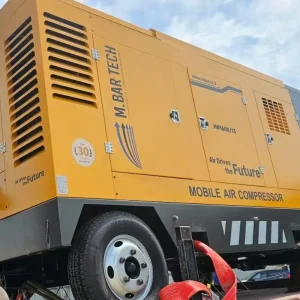
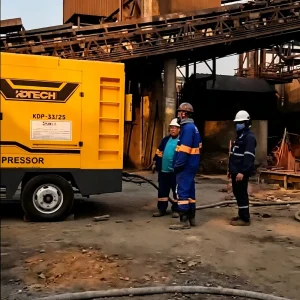
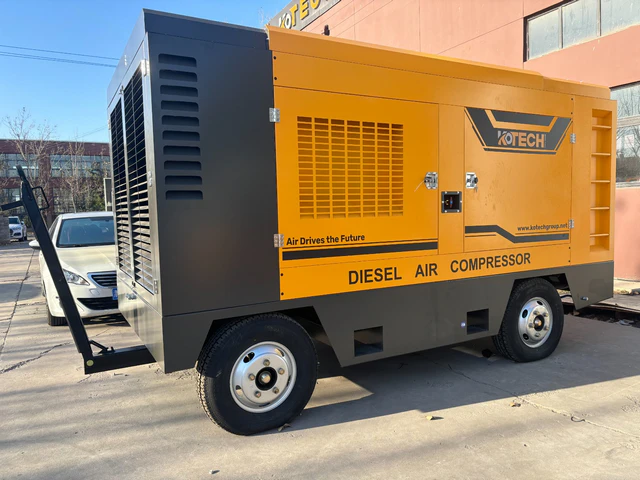
In the world of heavy construction, mining, and site development, reliable air power isn’t a luxury; it’s the backbone of operations. Portable diesel air compressors are the unsung heroes powering everything from rock drills to abrasive blasting equipment and pneumatic tools for general site prep. Get this choice wrong, and you’re looking at costly downtime, missed deadlines, and bottom-line erosion. The goal isn’t just to buy a compressor, it’s to invest in an air power solution that delivers consistent performance, fuel efficiency, and longevity under brutal conditions.
Here are the key insights you need to grasp right away:
- Prioritize CFM and PSI for Your Specific Tools: Mismatched air delivery is the number one cause of inefficiency and equipment damage.
- Fuel Efficiency Matters More Than Ever: Modern Tier 4 Final engines offer significant savings; focus on operational costs, not just sticker price.
- Ruggedness and Serviceability are Non-Negotiable: Job sites are tough. Your compressor needs to withstand abuse and be easy to maintain in the field.
- Telematics & Predictive Maintenance Drive Uptime: Leverage technology to avoid unexpected breakdowns and optimize service schedules.
- Regulatory Compliance is Evolving: Stay ahead of emissions standards to future-proof your investment.
The Evolving Landscape of Site Power: Why Your Compressor Choice is More Complex Today
Gone are the days when any diesel compressor would do. Today’s job sites demand more. Environmental regulations, particularly the EPA’s Tier 4 Final standards, have pushed manufacturers to innovate, leading to more complex yet vastly more efficient engines. This isn’t just about being “green”; it’s about operational economics.
When you’re out there, whether it’s drilling blast holes for a new quarry or preparing a foundation for a major civil project, your air compressor is often running for hours on end. Every gallon of fuel saved adds up.
Matching Air Output to Application: The CFM/PSI Sweet Spot
This is where many operations go sideways. You need enough air (CFM – cubic feet per minute) at the right pressure (PSI – pounds per square inch) to run your specific tools. A small blast pot might need 185 CFM at 100 PSI, but a heavy-duty rock drill could easily demand 750-900 CFM at 150-200 PSI. Running a tool with insufficient air won’t just slow you down; it can damage the tool itself, leading to costly repairs and premature replacement.
- Drilling: Rock drills and pneumatic hammers are high-CFM, high-PSI consumers. Accuracy here prevents constant cycling and potential engine strain.
- Blasting: Abrasive blasting requires consistent, dry air at specific pressures for effective surface preparation. Moisture separators are non-negotiable for quality work.
- Site Prep: Everything from chipping hammers to impact wrenches and concrete vibrators needs steady air. Consider the total air demand if multiple tools run simultaneously.
Always consult the specifications of your most demanding pneumatic tool. It’s better to have a little too much capacity than constantly run short.
Maximizing Uptime and ROI: Beyond the Purchase Price
The total cost of ownership (TCO) for a portable diesel air compressor extends far beyond the initial capital outlay. Fuel, maintenance, and potential downtime are massive factors. This is where smart operational choices make a huge difference.
Maintenance and Serviceability: Keeping it Running
On a remote drilling site, easy access to filters, fluids, and critical components is paramount. Compressors designed for quick, simple maintenance reduce service time and labor costs. Look for models with:
- Large, easily accessible service doors.
- Spin-on filters for oil and fuel.
- External drain plugs for oil and coolant.
- Clear, intuitive control panels for diagnostics.
Regular maintenance, following manufacturer guidelines, is non-negotiable. Skipping an oil change or filter replacement to save a few bucks now will inevitably lead to a far more expensive repair down the line. We’ve all seen it happen, and it never ends well.
The Power of Telematics: Predictive Uptime
Modern portable compressors often come equipped with telematics systems. These systems can monitor fuel consumption, engine hours, GPS location, fault codes, and even upcoming service intervals in real-time.
Imagine getting an alert that a fuel filter is showing signs of clogging before it actually shuts down your drill. That’s the power of telematics. It allows you to schedule maintenance proactively, minimizing costly field service calls and keeping your projects on track.
When a Portable Diesel Compressor Might Not Be Your Best Bet
While portable diesel compressors are indispensable, they aren’t always the perfect fit. For projects with very short durations, highly intermittent air needs, or extremely strict noise/emissions regulations in urban areas, a rental unit might be more cost-effective. Similarly, if you have access to robust grid power and your air demand is static and within a confined space, an electric stationary compressor could offer lower running costs and zero on-site emissions. However, for the flexibility, power, and rugged independence required for drilling, blasting, and dynamic site prep across varied terrains, the diesel portable unit remains king.
The Bottom Line: Invest Smart, Operate Smarter
Selecting the right portable diesel air compressor for drilling, blasting, and site preparation is a strategic decision. It’s about balancing initial cost with long-term operational efficiency, reliability, and compliance. Don’t just look at the price tag; dig into the CFM/PSI ratings, fuel consumption figures, maintenance accessibility, and available telematics. A well-chosen, properly maintained compressor will be a workhorse that pays dividends on your toughest jobs, ensuring your crews have the power they need, when they need it, without costly interruptions.