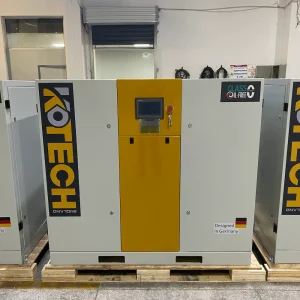
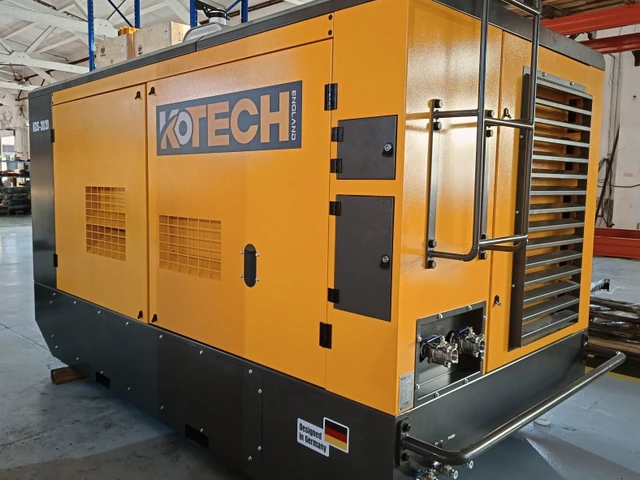
Mining Air Compressors: Global Success Strategies
Deploying air compressors successfully in global mining operations isn’t just a technical challenge; it’s a strategic imperative that directly impacts productivity, safety, and the bottom line. Frankly, getting it wrong can cost millions in downtime and missed targets. The core judgment here is clear: successful deployments hinge on robust, purpose-built systems that prioritize uptime, energy efficiency, and seamless integration with modern digital platforms.
The Imperative of Robust Compressed Air in Mining
In the unforgiving world of global mining, compressed air isn’t a luxury; it’s the lifeblood for everything from rock drills and pneumatic tools to ventilation systems and materials handling. The sheer scale and remote nature of many operations mean that reliability isn’t just a buzzword; it’s the bedrock of operational continuity. Without a dependable compressed air supply, production ceases, and safety can be compromised. This makes the selection and deployment of these systems a high-stakes decision for any mining company.
Operators face immense pressure to extract minerals efficiently while battling extreme temperatures, corrosive dust, and often unreliable infrastructure. A truly successful deployment ensures the compressed air system not only withstands these conditions but actively contributes to the mine’s overall efficiency and resilience. It’s about more than just PSI; it’s about persistent performance under pressure.
This growth signifies continued investment in advanced machinery, including heavy-duty industrial air compressors, to meet increasing demand for critical minerals. However, this expansion comes with escalating energy costs and tightening environmental regulations, pushing energy efficiency to the forefront of deployment strategies.
Mining operations, often located far from stable power grids, particularly benefit from systems designed for minimal energy draw and maximum output. The drive for sustainability isn’t just about compliance; it’s about operational cost reduction.
This trend directly impacts how air compressors are deployed, requiring smart, connected systems capable of providing real-time data for predictive maintenance and performance optimization.
Engineering for Extremes: Why Standard Approaches Fail
Mining environments are inherently brutal. We’re talking about everything from the scorching heat of the Australian Outback to the sub-zero temperatures of the Arctic, not to mention the corrosive dust, high altitudes, and constant vibration. A standard industrial air compressor, designed for a factory floor, simply won’t cut it. These conditions demand specialized engineering, robust materials, and often, explosion-proof components for underground operations.
The pain points for mine operators are numerous: frequent breakdowns, high maintenance costs, excessive energy consumption, and the logistical nightmare of transporting parts and personnel to remote sites. A system that isn’t engineered to withstand these specific stressors will inevitably lead to costly downtime and reduced productivity. This isn’t just about buying a bigger compressor; it’s about sourcing a solution built for resilience.
Beyond the Blueprint: When Off-the-Shelf Solutions Fall Short
While a general-purpose industrial air compressor might seem appealing due to lower initial costs, it almost never proves to be a successful deployment in a demanding mining context. These units are often not designed for the sustained, heavy-duty cycles required, nor do they possess the necessary ingress protection against fine particulate matter or the robust cooling systems needed for extreme ambient temperatures. The energy losses alone quickly overshadowed any initial savings.
This approach is particularly problematic for remote sites where access to skilled technicians and spare parts is limited. The total cost of ownership (TCO) quickly escalates when factoring in increased maintenance, energy waste, and lost production time. An off-the-shelf solution is only valid when the environmental conditions are benign and the operational demands are moderate—conditions rarely found in mining. For critical mining applications, a bespoke or highly customized compressed air system is almost always the superior, more economical long-term choice.
Strategic Deployment: Best Practices for Uptime and ROI
Achieving truly successful air compressor deployments in mining requires a multi-faceted approach that extends beyond the initial purchase. It’s about lifecycle management, from meticulous planning to advanced monitoring.
Site Assessment and Customization
Every mine is unique. A thorough site assessment is the foundational step. This involves evaluating climate, altitude, dust levels, power availability, and the specific compressed air demands for each application (e.g., drilling, ventilation, processing). Based on this, systems can be customized with appropriate enclosures, filtration, cooling, and control systems. This ensures the compressor operates within its optimal parameters, maximizing efficiency and lifespan.
Predictive Maintenance and Digital Integration
Modern air compressor deployments leverage IoT sensors and digital platforms for real-time monitoring of pressure, temperature, vibration, and energy consumption. This data enables predictive maintenance, allowing operators to address potential issues before they cause costly breakdowns. Remote diagnostics and control capabilities are invaluable for managing assets across vast, distributed mining operations, ensuring maximum uptime with minimal on-site intervention.
Sustainability and Energy Optimization
Successful deployments increasingly focus on reducing environmental impact. This means implementing variable speed drive (VSD) compressors that adjust output to demand, recovering waste heat for other mine processes, and integrating with renewable energy sources where feasible. Optimizing the entire compressed air network—from generation to distribution—significantly lowers energy consumption and carbon emissions, contributing to the mine’s overall sustainability goals.
Navigating Operational Hurdles: Key Considerations
Even with the best planning, operational hurdles are inevitable. Power fluctuations, sudden demand spikes, and the need for rapid expansion or relocation of assets are common in mining. A successful deployment anticipates these challenges by incorporating modular designs, robust control systems with built-in redundancies, and flexible piping networks. Training local personnel for routine maintenance and troubleshooting is also critical to minimize reliance on external support, especially in remote locations. This proactive approach ensures that the compressed air system remains a reliable asset, adapting to the dynamic needs of the mine.