

This guide breaks down heavy-duty diesel air compressor pricing, covering technical factors, TCO analysis, comparisons with alternatives, and solutions to common cost evaluation pitfalls. It helps industrial buyers make informed investment decisions.
Heavy Duty Diesel Air Compressor Price Guide
Related: cost of industrial diesel air compressors · total cost of ownership for heavy-duty compressors · budget vs premium diesel air compressor pricing · construction mining air compressor cost factors · price vs value in diesel air compressors · cost-effective heavy-duty pneumatic power
The heavy duty diesel air compressor price represents the total investment required for acquiring, operating, and maintaining these critical pieces of equipment, which are indispensable across various industrial sectors, particularly in construction and mining. These powerful machines convert mechanical energy from a diesel engine into pneumatic energy, providing compressed air to power a vast array of tools and machinery on site. Understanding the multifaceted nature of this price is crucial for strategic capital expenditure and operational budgeting. The significance of accurately assessing heavy duty diesel air compressor price extends beyond the initial purchase, influencing long-term project viability, operational efficiency, and overall profitability. From powering rock drills and jackhammers to sandblasting equipment and pneumatic tools, their reliable performance is directly tied to project timelines and safety standards. Therefore, an in-depth analysis of their cost structure enables businesses to make informed decisions that align with both immediate project needs and sustainable operational goals. The primary problem heavy duty diesel air compressor price analysis solves in the current landscape is mitigating unforeseen expenses and optimizing equipment lifecycle costs. Without a comprehensive understanding of all contributing factors, companies risk underbudgeting, leading to project delays, increased operational expenditures, and potential compromises on equipment quality or maintenance. This deep-dive article, based on structural analysis and practical application, aims to demystify the components influencing this critical investment.
Deconstructing the Technical and Structural Factors Influencing Heavy Duty Diesel Air Compressor Price
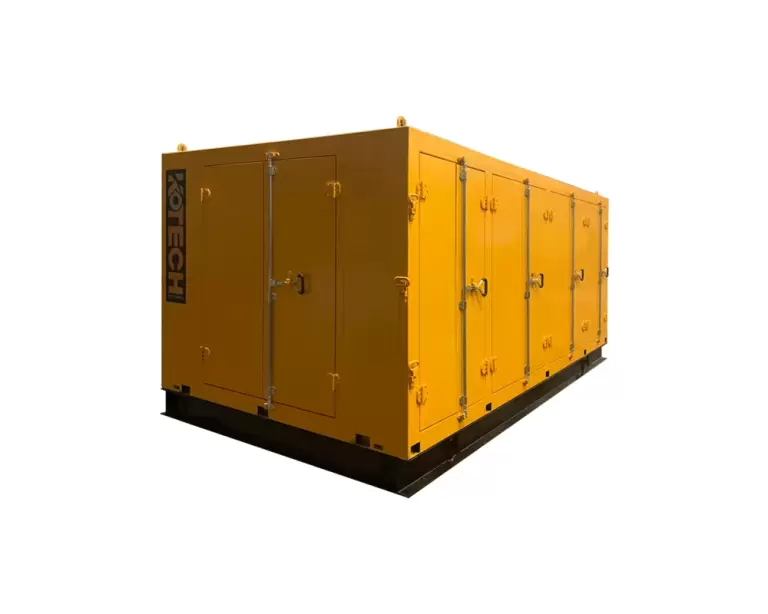
The heavy duty diesel air compressor price is fundamentally influenced by its technical specifications and structural components, which dictate performance, durability, and operational capabilities. These machines typically comprise a robust diesel engine, an air end (compressor unit), an air receiver tank, control systems, and a heavy-duty chassis or enclosure. The interplay of these elements directly impacts both the upfront cost and long-term value.
Based on structural analysis, the type of air end — screw or piston — is a significant cost driver. Rotary screw compressors, favored for heavy-duty, continuous operation, generally command a higher price due to their complex design, efficiency, and longevity compared to piston compressors. Furthermore, the engine’s horsepower and emissions compliance (e.g., Tier 4 Final for modern diesel engines) add to the price, reflecting advanced engineering required to meet environmental regulations and deliver reliable power.
From a framework perspective, auxiliary components like integrated aftercoolers, filtration systems, and advanced telemetry for remote monitoring also contribute to the overall price. These features, while increasing initial outlay, enhance operational efficiency, extend equipment lifespan, and reduce maintenance frequency. The choice of materials for the enclosure, noise reduction features, and even the brand’s reputation for reliability and global service network are intrinsic factors in the final price point.
Implementing a Strategic Approach to Identifying the Right Heavy Duty Diesel Air Compressor Price Point
Identifying the right heavy duty diesel air compressor price point involves a systematic approach that aligns equipment specifications with project demands and budgetary constraints. This process is not merely about finding the lowest cost but rather the optimal value proposition. First, precisely define your operational requirements, including the required CFM (cubic feet per minute) and PSI (pounds per square inch), duty cycle, and the specific tools or machinery to be powered.
Second, evaluate the total cost of ownership (TCO), which extends beyond the initial purchase price to include fuel consumption, maintenance schedules, parts availability, and resale value. In practical application, a slightly higher upfront cost for a more fuel-efficient or durable model can lead to significant savings over its operational lifespan. Leverage industry benchmarks and consult with experienced equipment dealers to gain insights into average TCO for various models.
Third, consider the warranty and aftermarket support offered by manufacturers. A comprehensive warranty and readily available service and parts network can significantly reduce downtime and unexpected repair costs, which are crucial factors in heavy-duty environments like construction and mining. Finally, explore financing options and potential tax incentives, as these can alter the effective heavy duty diesel air compressor price and improve cash flow for your operation.
Comparative Analysis: Heavy Duty Diesel Air Compressor Price vs. Related Power Sources
The heavy duty diesel air compressor price can be best understood in comparison to other power generation methods commonly used in industrial applications, such as electric air compressors and portable diesel generators. While each has its specific advantages, a direct comparison reveals distinct financial and operational profiles.
Comparing Heavy Duty Diesel Air Compressors, Electric Air Compressors, and Portable Diesel Generators reveals key differences: For **Complexity**, diesel compressors are moderate (engine maintenance), electric compressors are low (plug-and-play), and generators are moderate (engine maintenance, electrical distribution). Regarding **Efficiency**, diesel compressors offer high portability and fuel efficiency for remote sites, electric compressors boast high energy efficiency with consistent power, and generators vary but provide versatile electrical output.
From a **Cost** perspective, heavy duty diesel air compressors have a moderate-to-high initial purchase price, moderate fuel costs, and scheduled maintenance. Electric compressors typically have a lower initial price, very low operational costs (electricity is cheaper than diesel for continuous use), but require grid access. Portable diesel generators have a moderate initial price, moderate fuel costs, and provide electrical power rather than pneumatic. **Frequency** of use often dictates the best choice; diesel compressors are ideal for intermittent, heavy-duty mobile work, electric for continuous, stationary applications, and generators for diverse electrical power needs across various locations.
Avoiding Common Pitfalls in Heavy Duty Diesel Air Compressor Price Evaluation
One frequent mistake in heavy duty diesel air compressor price evaluation is focusing solely on the sticker price, overlooking crucial operational costs. This narrow view often leads to purchasing a seemingly cheaper unit that ultimately incurs higher fuel, maintenance, and repair expenses over its lifespan. Professional advice: Always conduct a thorough Total Cost of Ownership (TCO) analysis, factoring in anticipated fuel consumption, maintenance schedules, parts availability, and projected lifespan. Account for potential downtime costs in high-stakes projects.
Another common pitfall is underestimating the required air capacity (CFM) or pressure (PSI) for peak demand. This results in an underpowered compressor that struggles to meet job demands, leading to inefficiency, premature wear, and potential project delays. Based on structural analysis, proper sizing is paramount. Professional advice: Accurately calculate the cumulative air requirements of all pneumatic tools and processes that will operate simultaneously, adding a buffer of at least 20-25% for future expansion or unexpected demands. Err on the side of slightly over-specifying rather than under-specifying capacity.
A third mistake involves neglecting the importance of manufacturer reputation and aftermarket support, especially when dealing with heavy duty diesel air compressor price. Opting for an unknown brand to save a small percentage upfront can lead to significant problems with warranty claims, parts procurement, and technical assistance, severely impacting operational continuity. Professional advice: Prioritize reputable manufacturers with a proven track record of reliability, extensive service networks, and readily available spare parts. Investigate their warranty terms thoroughly and inquire about local dealer support, as reliable post-purchase service is invaluable in preventing costly downtime.
About the Author
Further Reading
- Optimizing Global Industrial Finishing The Strategic Imperative of Diesel Air Compressors for Painting Export
- The Logic Behind 185 cfm diesel air compressor with CE certification A Structural Analysis for Robust Site Operations
- The Ultimate Guide to 185 CFM Diesel Air Compressors: Why They’re a Game-Changer!
- The Logic Behind 2 Stage Diesel Air Compressor 25 Bar Price A Structural Analysis of Value
Related Reading: Mining Air Compressor Technology: Trends & Best Practices
Related Applied Cases
Frequently Asked Questions
- What are the main factors that determine the price of a heavy-duty diesel air compressor?
- Key factors include engine horsepower, compressor type (screw vs piston), CFM/PSI output, emissions compliance (e.g., Tier 4 Final), brand reputation, and additional features like advanced filtration or telemetry systems. These elements directly impact both upfront cost and long-term value.
- Why do some heavy-duty diesel air compressors with similar specs cost more than others?
- Higher prices often reflect superior build quality, advanced fuel efficiency technologies, robust noise reduction, extended warranties, and a more reliable aftermarket service network. These factors contribute to lower long-term maintenance costs and higher uptime.
- Is it better to rent or buy a heavy-duty diesel air compressor for my project?
- Renting is ideal for short-term or infrequent use, avoiding capital expenditure and maintenance costs. Buying makes sense for long-term, consistent operational needs where the total cost of ownership can be amortized over the equipment’s lifespan.
- How does fuel efficiency affect the total cost of ownership (TCO) of a diesel air compressor?
- Fuel efficiency is a major driver of TCO. A more fuel-efficient model, even with a higher upfront price, can save significant money on operating expenses over its lifespan, especially with high utilization rates in construction or mining operations.
- What’s the average lifespan of a heavy-duty diesel air compressor?
- With proper maintenance and operation, a high-quality unit typically lasts 10,000–20,000 hours (10–15 years). Regular servicing, including oil changes and filter replacements, is critical to maximizing its lifespan.
- What common mistakes should I avoid when evaluating diesel air compressor prices?
- Avoid focusing solely on the sticker price without considering TCO (fuel, maintenance, downtime costs). Also, ensure proper sizing (add 20-25% safety margin for peak demand) and prioritize reputable brands with strong aftermarket support to prevent costly breakdowns.