

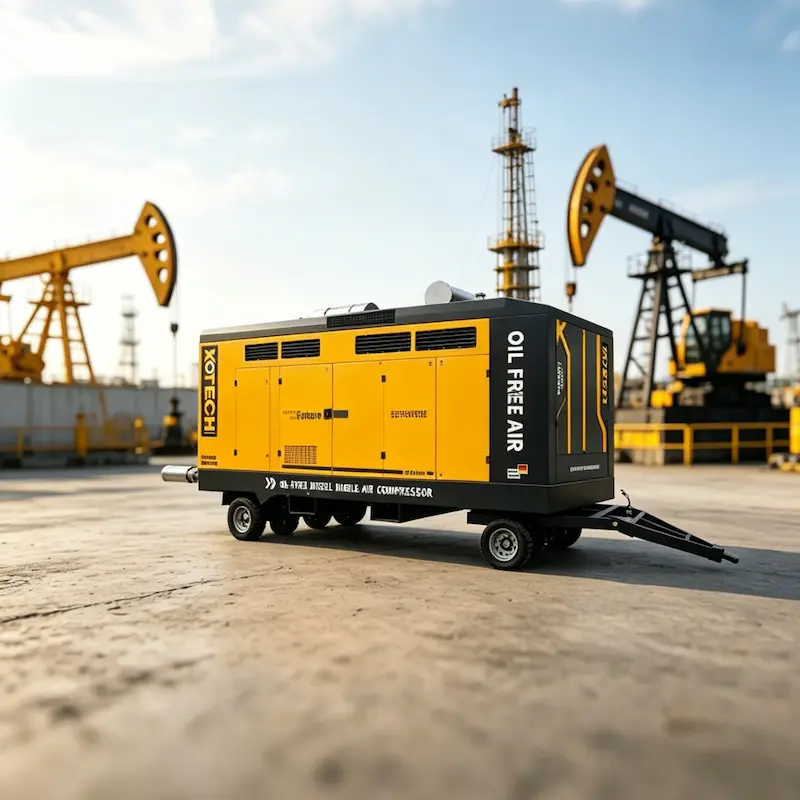
This comprehensive guide walks through installing a 100 CFM diesel air compressor, covering site selection, component connections, commissioning, and common challenges. It helps industrial teams ensure safe, efficient setup for construction, mining, and remote operations.
100 CFM Diesel Air Compressor Installation Guide
Related: installing 100 CFM portable diesel air compressor · industrial air compressor setup procedures · 100 CFM diesel compressor site preparation · commissioning a 100 CFM diesel air compressor · diesel air compressor installation best practices · setting up 100 CFM pneumatic power
A 100 CFM diesel air compressor installation guide provides the systematic procedures required to The Logic Behind 100 CFM Diesel Air Compressor Installation A Structural Analysis for Industrial Applications deploy these essential pieces of industrial equipment safely and efficiently. These compressors are critical powerhouses, offering robust, portable pneumatic energy vital for a wide array of demanding applications in construction, mining, road building, and various industrial settings where electrical power is scarce or impractical. Their ability to deliver 100 cubic feet per minute (CFM) of compressed air ensures consistent operation of heavy-duty tools like jackhammers, sandblasters, and concrete breakers, making them indispensable on remote job sites. The primary problem a well-executed 100 CFM diesel air compressor installation solves is the immediate and reliable supply of high-volume compressed air in environments devoid of fixed power infrastructure. Improper installation, conversely, can lead to significant operational inefficiencies, premature equipment wear, safety hazards, and costly downtime. Therefore, a meticulous approach to setup is not merely a recommendation but a foundational requirement for maximizing the compressor’s operational lifespan and ensuring project continuity. From a framework perspective, this installation guide delves into the intricate steps from site selection to commissioning, emphasizing adherence to industry best practices and regulatory standards. It aims to empower site managers, technicians, and engineers with the knowledge to establish a secure, productive, and compliant compressed air system, ensuring that the 100 CFM diesel air compressor functions as a reliable cornerstone of their operations.
Understanding the Core Components of a 100 CFM Diesel Air Compressor System
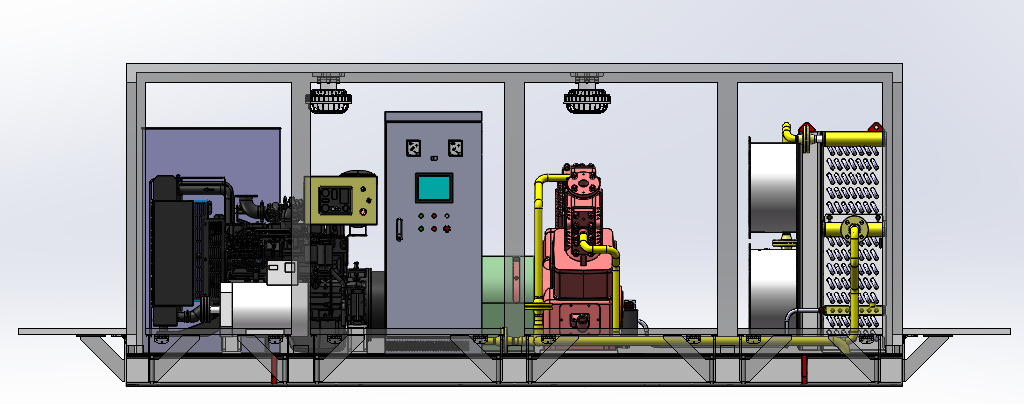
Understanding the core components of a 100 CFM diesel air compressor system is fundamental to a successful installation. At its heart, the system comprises a robust diesel engine, typically a four-cylinder unit, providing the mechanical power. This engine drives the air end, or compressor block, which is generally a rotary screw type for continuous, high-volume air delivery, responsible for drawing in atmospheric air and compressing it to the required pressure.
Further integral components include the air receiver tank, which stores compressed air to stabilize pressure and meet peak demands, and an intricate cooling system, essential for maintaining optimal operating temperatures for both the engine and the air end. Based on structural analysis, these systems often incorporate oil coolers and aftercoolers to remove moisture and lower air temperature before it reaches pneumatic tools. An effective control panel provides operational feedback and safety shutdowns, while a heavy-duty chassis and tow package ensure mobility and stability.
Each component is interconnected and interdependent; a malfunction or improper setup in one area, such as inadequate cooling or a poorly routed air line, can compromise the entire system’s efficiency and longevity. Familiarity with these elements ensures technicians can approach the installation with a comprehensive understanding of the unit’s operational mechanics and potential vulnerabilities.
Site Selection and Preparation: Foundation for Optimal Performance
Proper site selection is crucial for the longevity and efficiency of a 100 CFM diesel air compressor, minimizing operational risks and maximizing output. The chosen location must be firm, level ground, capable of supporting the compressor’s significant weight without subsidence. Uneven surfaces can induce unnecessary stress on the chassis and internal components, leading to vibrations and premature wear, compromising the structural integrity over time.
Adequate ventilation is another critical factor. These units generate substantial heat, and an enclosed or poorly ventilated space can cause the compressor to overheat, triggering thermal shutdowns and reducing performance. The site should allow for unrestricted airflow around the unit, ensuring that cooling air can be drawn in and hot exhaust air can dissipate effectively. Consideration for prevailing winds can also aid in heat dispersion and prevent exhaust fumes from accumulating in hazardous areas.
Furthermore, accessibility for maintenance, refueling, and emergency shutdown is paramount. The location should not impede personnel movement around the compressor, and sufficient clearance from structures, vehicles, and other equipment must be maintained. Geographically, consider proximity to work areas to minimize lengthy air hose runs, which can lead to pressure drops, and ensure environmental factors like excessive dust or moisture can be mitigated through strategic placement or additional filtration.
Connecting Ancillary Systems: Fuel, Air, and Electrical Integration
Connecting ancillary systems correctly ensures the safe and functional operation of the 100 CFM diesel air compressor. The fuel system requires careful attention; diesel fuel lines must be securely connected to the compressor’s engine, ensuring no leaks and using appropriate, rated hoses and fittings. For extended operations, external fuel tanks might be integrated, necessitating a professional setup to prevent contamination and fire hazards, adhering strictly to local fuel storage and transfer regulations.
The air delivery system involves connecting the compressor’s output port to the main air hose that supplies tools. This often requires heavy-duty hoses, quick-connect fittings, and possibly air manifolds, all rated for the compressor’s maximum pressure and CFM output. In practical application, proper routing of air lines minimizes bends and potential pinch points, which can cause pressure drops and wear. Inline air filters and lubricators, if required by the pneumatic tools, should be installed downstream from the compressor for optimal tool performance and longevity.
While primarily diesel-powered, some 100 CFM compressors may have auxiliary electrical connections for control panels, lighting, or specific onboard electronics. These connections must be properly grounded and protected by circuit breakers, conforming to electrical safety codes. Based on structural analysis, ensuring all electrical connections are watertight and protected from physical damage is essential, especially in outdoor or harsh industrial environments, to prevent short circuits and maintain operational integrity.
Commissioning and Initial Run-Up Procedures
The commissioning phase validates the installation and prepares the 100 CFM diesel air compressor for operational service, a critical step to ensure safety and performance. Before the first start, a comprehensive pre-start checklist must be completed. This includes verifying all fluid levels (engine oil, coolant, compressor oil), checking fuel supply, ensuring air filters are clean, and confirming all connections—fuel, air, and electrical—are tight and secure. Any loose components or foreign objects should be removed from around the machine.
Upon initial start-up, the compressor should be run at idle for a short period, allowing fluids to circulate and temperatures to stabilize. During this time, operators must vigilantly monitor gauges for normal pressure and temperature readings. Any unusual noises, vibrations, or leaks (fuel, oil, air) demand immediate shutdown and investigation. This systematic approach ensures that any installation errors or component issues are identified before full operational load is applied, preventing potential damage or safety incidents.
After confirming stable idle operation, the compressor can be gradually brought up to its working pressure. It is crucial to check for air leaks in the entire pneumatic system, from the compressor’s output to the farthest tool connection, using methods like soapy water. Adjusting pressure regulators and safety valves to the specified operational parameters is the final step, ensuring the compressor delivers air within safe and efficient limits as per manufacturer guidelines and application requirements. This meticulous run-up confirms the integrity of the entire installation.
Common Installation Challenges and Professional Mitigation Strategies
Identifying and addressing common installation challenges proactively prevents costly downtime and extends equipment lifespan for 100 CFM diesel air compressors. A frequent mistake is inadequate ventilation, which leads to overheating, reducing component life and triggering safety shutdowns. Professional mitigation involves ensuring at least three feet of clear space around all sides of the unit, orienting it to take advantage of natural airflow, and, if necessary, installing auxiliary fans in enclosed spaces to facilitate heat dissipation.
Another pitfall is improper leveling and stabilization, causing excessive vibration that can loosen connections, damage internal components, and create noise pollution. The solution is to install the compressor on a perfectly level, reinforced concrete pad or solid, compacted ground, using vibration-dampening pads or mounts as recommended by the manufacturer. Regularly checking the leveling after initial use and during routine maintenance helps maintain stability.
Incorrect sizing or routing of air piping is a third common issue, resulting in significant pressure drops and reduced tool efficiency. Based on structural analysis, using air hoses and pipes with an insufficient internal diameter for the 100 CFM output or introducing too many sharp bends will impede airflow. Professional advice dictates using appropriate large-diameter, high-pressure rated hoses, minimizing bends, and keeping run lengths as short as practically possible. Employing quick-connect fittings designed for high flow rates further optimizes air delivery and minimizes pressure loss.
Comparative Operational Frameworks: 100 CFM Diesel vs. Electric and Portable Units
A comparative operational framework reveals the distinct advantages and disadvantages of 100 CFM diesel air compressors against electric and smaller portable alternatives, guiding optimal application choices. From a complexity perspective, diesel units are inherently more intricate due to their internal combustion engine, requiring more intensive maintenance regimes, including fuel system upkeep, oil changes, and emission controls, compared to simpler electric motors. However, this complexity often translates into unmatched portability and independence from fixed power grids.
Regarding efficiency, electric compressors typically boast higher energy conversion efficiency from power input to air output due to fewer mechanical losses. Diesel units, while efficient for their power class, incur fuel costs and operational overheads related to fuel consumption and emissions. In practical application, the ‘efficiency’ of a diesel 100 CFM unit often lies in its ability to operate continuously in remote locations where electric power simply isn’t an option, making it the most ‘efficient’ choice for job site productivity despite potentially higher running costs per CFM.
Cost implications vary significantly. The initial purchase price of a 100 CFM diesel compressor can be higher than an equivalent electric model due to the sophisticated engine. However, the cost of installing heavy-duty electrical infrastructure at a remote site for an electric unit can quickly outweigh the diesel compressor’s upfront expense. The frequency of use also plays a role; for sporadic, remote tasks, the diesel’s portability and immediate deployment capability offer better overall value, whereas for continuous, fixed-location operations with readily available power, an electric compressor might be more cost-effective over its lifecycle.
Related Reading: Mining Air Compressor Case Studies | Global Industrial Projects
Further Reading
- The Logic Behind 100 cfm diesel air compressor for construction A Structural Analysis
- Mining Air Compressor Case Studies | Global Industrial Projects
- The Logic Behind large diesel air compressor 500 cfm A Structural Analysis
- The Logic Behind Cheap Diesel Air Compressors for Mining A Structural Analysis of Value
- 100 CFM diesel air compressor – The Logic Behind C
- The Logic Behind Cheap High Pressure Diesel Air Compressor A Structural Analysis for Industrial Construction
- How Small Diesel Air Compressors for Workshops Are Redefining Automotive and Fabrication Efficiency
- Overcoming On-Site Power Challenges The Strategic Value of a Used 300 CFM Diesel Air Compressor for Sale
Related Applied Cases
Frequently Asked Questions
- What are the minimum site requirements for installing a 100 CFM diesel air compressor?
- You need firm, level ground to support the unit, at least 3 feet of clear space around all sides for ventilation, and proximity to work areas to minimize pressure drops. The site must also be well-ventilated to dissipate heat and exhaust fumes.
- How do I properly connect fuel, air, and electrical systems during installation?
- Use rated hoses and fittings for fuel lines to prevent leaks, connect air hoses with appropriate diameter and quick-connect fittings, and ensure any auxiliary electrical connections are grounded and protected. All connections must be tight and free of damage before startup.
- What steps are included in the initial commissioning and run-up of a 100 CFM compressor?
- Complete a pre-start checklist (fluid levels, filters, connections), run the compressor at idle to stabilize fluids, monitor gauges for normal readings, check for air leaks, and gradually bring the unit to working pressure. Any unusual noises or leaks require immediate shutdown.
- What common installation mistakes should I avoid with a 100 CFM diesel compressor?
- Avoid poor ventilation (causes overheating), improper leveling (vibration and wear), undersized air hoses (pressure drops), and neglecting to secure connections (leaks or hazards). Also, never skip pre-start checks or commissioning steps.
- How does installing a 100 CFM diesel compressor differ from an electric model?
- Diesel units require fuel line connections, proper exhaust ventilation, and handling of flammable materials, while electric compressors focus on power supply and electrical safety. Diesel installations also prioritize site accessibility for refueling and maintenance.
- What safety precautions are critical during the installation process?
- Use PPE, ensure the site is clear of hazards, secure the compressor to prevent movement, never work on fuel systems near open flames, and verify all safety features (pressure relief valves, emergency stops) are functional before startup.