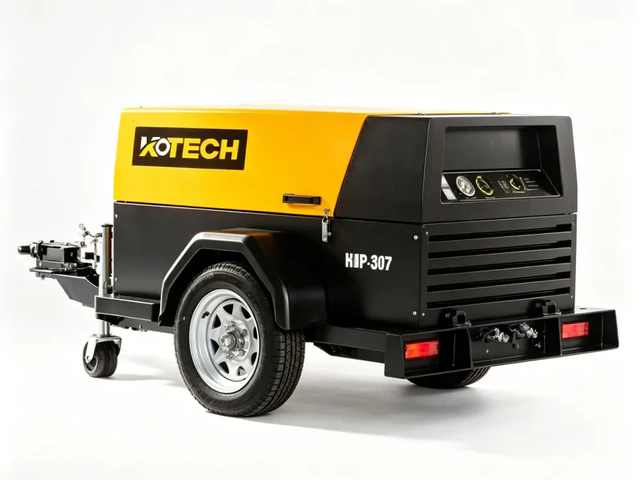
Maximizing Value: Retrofit Air Compressor Strategies for Legacy Mining Operations
The Inevitable Truth: Why Aging Mining Infrastructure Demands Action Now
Let’s be frank: if you’re running a mining operation, especially one with a few decades under its belt, you’re likely grappling with the silent killer of productivity and profit – your aging compressed air infrastructure. These aren’t just machines; they’re the lungs of your entire operation, powering everything from drill rigs to ventilation, pneumatic tools to material handling. When they falter, production grinds to a halt. The question isn’t *if* your legacy air compressors will cause issues, but *when* and *how severely*. This isn’t just about breakdowns; it’s about persistent inefficiency, safety concerns, and an ever-increasing operational expenditure that’s eating into your margins.
The High Cost of Inertia: Data-Backed Imperatives for Compressor Upgrades
Ignoring the problem isn’t a strategy; it’s a liability. The costs associated with outdated compressed air systems are multi-faceted and significant.
Energy Efficiency: The Silent Profit Killer
Older, fixed-speed air compressors are notorious energy hogs. They often run at full capacity even when demand fluctuates, wasting power. For a mining operation, where energy costs are already substantial, this translates to millions of dollars annually literally blowing out into the atmosphere. A strategic retrofit, like integrating a Variable Speed Drive (VSD), directly addresses this, allowing the compressor to match output to demand.
Downtime: A Direct Hit to the Bottom Line
Unscheduled downtime in mining is catastrophic. When a critical air compressor fails, the ripple effect can shut down entire production lines. Older equipment, with harder-to-find parts and less reliable components, is a ticking time bomb for such incidents. Retrofitting with modern, robust components and integrated monitoring systems dramatically improves reliability and predictability.
Compliance and Safety: Non-Negotiable Priorities
Beyond efficiency and uptime, safety and environmental compliance are paramount. Older systems might not meet current air quality standards for sensitive applications, or they might pose safety risks due to outdated controls or mechanical wear. Modern retrofits can include advanced filtration, dryer upgrades, and enhanced safety interlocks, ensuring both worker protection and adherence to increasingly stringent environmental regulations. Frankly, ignoring these aspects is a non-starter in today’s regulatory landscape.
Retrofit vs. Replace: Navigating the Capital Expenditure Minefield
The decision between retrofitting an existing compressor and purchasing a brand-new unit is often complex, heavily influenced by budget cycles, asset condition, and long-term strategic goals. This isn’t a one-size-fits-all answer.
When Retrofit Shines Brightest
Retrofitting is often the most cost-effective solution when the core components of your existing compressor, such as the motor or the main frame, are still in good condition. It’s particularly attractive for operations facing tight capital expenditure (CapEx) budgets but with flexibility in operational expenditure (OpEx). Retrofits allow you to upgrade specific, high-impact components – like air ends, controls, or drive systems – to achieve significant efficiency gains, extend asset life, and integrate modern capabilities (e.g., IIoT connectivity) without the hefty upfront cost and extensive installation time of a full replacement. Think of it as getting a new engine and dashboard in a structurally sound vehicle.
Recognizing When Full Replacement is Prudent
However, retrofitting isn’t a panacea. If your compressor’s major components are severely degraded, if the unit is fundamentally undersized or oversized for your current and projected demand, or if the technology gap between your current unit and modern standards is simply too vast (e.g., a very old centrifugal compressor needing to meet modern VSD efficiency), a full replacement might be the more sensible long-term investment. This is also true if the cost of parts for your specific legacy model has become prohibitively expensive or if the unit constantly requires complex, specialized maintenance. Sometimes, cutting your losses and investing in a completely new, purpose-built system is the better play for overall total cost of ownership (TCO) over the next 15-20 years.
Actionable Retrofit Strategies for Enhanced Operational Resilience
Once you’ve decided on a retrofit, what are the most impactful areas to focus on? Based on our experience, these strategies deliver the quickest and most substantial returns.
Smart Controls and VSD Integration
This is often the lowest-hanging fruit for energy savings. Replacing outdated fixed-speed starters with Variable Speed Drives (VSDs) allows the compressor to modulate its motor speed based on demand, drastically reducing energy consumption during periods of lower airflow requirements. Modern PLCs (Programmable Logic Controllers) offer sophisticated control over multiple compressors, optimizing their sequencing to maintain stable pressure with minimal energy input.
Air End and Component Upgrades
The air end is the heart of your rotary screw compressor. Upgrading an older, less efficient air end with a modern, high-efficiency design can significantly improve specific power (kW/100cfm). Beyond the air end, consider replacing worn-out aftercoolers, separators, and dryers. These components directly impact air quality and system reliability. For example, upgrading to a more efficient refrigerated or desiccant dryer can prevent moisture-related issues downstream, protecting pneumatic tools and processes.
Advanced Filtration and Air Treatment
Mining environments are inherently harsh, filled with dust and particulates. Older filtration systems might not be adequate to protect your compressor or the sensitive equipment it powers. Retrofitting with multi-stage, high-efficiency filtration, including coalescing filters and activated carbon filters, ensures cleaner, drier air. This not only extends the life of your compressor but also prevents costly contamination in your end-use applications.
IIoT and Predictive Maintenance Implementation
Integrating Industrial Internet of Things (IIoT) sensors and connectivity into your legacy compressors allows for real-time monitoring of critical parameters like pressure, temperature, vibration, and power consumption. This data feeds into predictive maintenance algorithms, identifying potential failures *before* they occur. This capability shifts your maintenance strategy from reactive repairs to proactive, scheduled interventions, dramatically reducing unplanned downtime and optimizing parts inventory.
Implementing a Successful Retrofit Project: A Step-by-Step Approach
A successful retrofit isn’t just about buying new parts; it’s about strategic planning and execution.
Comprehensive Energy Audit
Begin with a professional compressed air system audit. This is non-negotiable. An expert will identify current inefficiencies, quantify leak rates, analyze demand patterns, and pinpoint the most impactful areas for improvement. This audit provides the baseline data needed to justify your investment and accurately project ROI.
Defining Clear ROI Metrics
Before committing resources, establish clear, measurable Key Performance Indicators (KPIs). What are you trying to achieve? Reduced energy consumption (kWh/year)? Increased uptime (hours/month)? Lower maintenance costs? A defined ROI ensures that the project delivers tangible value and provides a benchmark for success.
Partnering with the Right Experts
This isn’t a DIY job. Engage experienced compressed air specialists who understand both legacy systems and modern technologies, and crucially, have specific experience in mining environments. They can guide you through equipment selection, integration, and optimization, ensuring that the retrofit is tailored to your unique operational context.
Phased Implementation and Monitoring
Consider a phased approach, especially for complex systems. Start with high-impact, lower-risk upgrades, monitor their performance, and then proceed. Continuous monitoring post-retrofit is essential to validate savings, identify any new issues, and ensure the system operates at peak efficiency over its extended lifespan. Based on our experience, without ongoing monitoring, even the best retrofit can slowly degrade in performance.