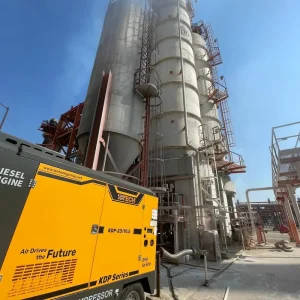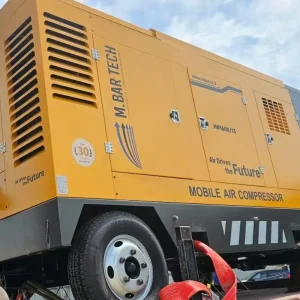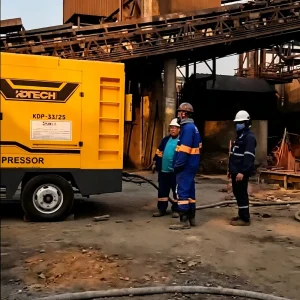


The oil and gas industry faces increasing pressure to reduce its environmental footprint, making low-emission air compressor applications a strategic imperative. This article, penned by a seasoned industry expert, dives into the operational challenges and solutions, offering practical insights into selecting, implementing, and optimizing sustainable air compression systems to meet stringent regulatory demands and achieve long-term economic benefits.
Navigating Low-Emission Air Compressor Choices in Oil & Gas
Related: Oil and Gas decarbonization · industrial air systems efficiency · environmental compliance O&G · natural gas fueled compressors · remote site power solutions · energy transition in upstream
The shift towards low-emission operations isn’t just a regulatory mandate anymore; it’s a fundamental business strategy for oil and gas companies aiming for long-term viability. Our experience over the past decade confirms that investing in advanced air compressor applications designed for reduced environmental impact is no longer optional. It’s about securing operational licenses, attracting capital, and frankly, staying competitive in a rapidly evolving energy landscape. The days of simply running diesel units without considering the wider implications are drawing to a close, and for good reason.
Here are the key insights you need to grasp:
- Regulatory compliance and ESG pressures make low-emission air compressors non-negotiable for modern O&G operations.
- Electric-driven and natural gas-fueled units with advanced controls are leading the shift, significantly cutting methane and CO2 footprints.
- Selecting the right low-emission system demands a thorough site-specific assessment, balancing CAPEX with long-term OPEX and environmental benefits.
- While upfront investment can be higher, reduced fuel costs, carbon credits, and avoided penalties often yield a compelling ROI within 3-5 years.
- Integration challenges are real, requiring robust planning for power infrastructure and skilled workforce training to maximize system efficiency.
The Imperative for Sustainable Air Compression in O&G
For too long, air compressors in oil and gas operations were seen as mere utility equipment—reliable, yes, but rarely scrutinized for their environmental footprint. That perspective has changed dramatically. Today, every piece of equipment, particularly those consuming significant energy or contributing to emissions, is under the microscope. Operators are grappling with the dual challenge of maintaining uptime while drastically cutting down on greenhouse gas (GHG) emissions, especially methane.
The pain points are clear: escalating carbon taxes, potential regulatory fines that hit the bottom line hard, and the growing pressure from
Further Reading
- Understanding Mining Air Compressor Safety Standards & Protocols
- Heat Recovery from Mining Air Compressors: Cost-Saving Guide
- The Role of Compressed Air in Sustainable Mining Practices
- Two-Stage Air Compressor for Gas Station and Auto Repair Shops
- Low-Emission Air Compressor Oil & Gas, Sustainable Air Compression O&G, Electric Air Compressors Oil & Gas, Methane Abatement Compressors – Applications of Tw
- Energy Recovery Air Compressor Solutions for Mining Power Savings
- Air Compressor Solutions for Mining Pipeline Cleaning & Testing
- Smart Mining Air Compressor Solutions with Remote Monitoring
About the Author

Related Reading: Air Compressor Applications for Oilfield Cementing & Drilling
Related Applied Cases