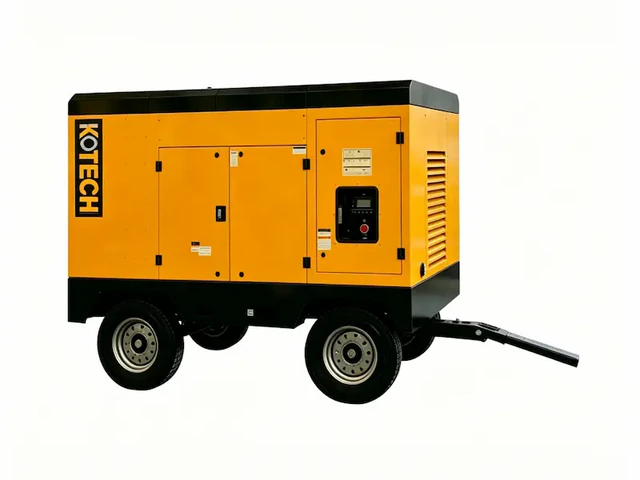
Sustainable Mining's Air Advantage
The Unseen Powerhouse: Compressed Air’s Critical Role in Modern Mining
Let’s be blunt: mining is under the microscope. Stakeholders demand not just profitability, but demonstrable sustainability. And while electrification and automation grab headlines, the humble compressed air system is quietly, yet profoundly, shaping the industry’s path toward greener operations. It’s not just about powering rock drills anymore; it’s about smart, efficient energy delivery that underpins almost every aspect of a modern mine. Frankly, ignoring your air system is like trying to run a marathon with faulty lungs – inefficient and ultimately unsustainable.
Addressing Mining’s Toughest Challenges with Smart Air Systems
Mining operators face a trifecta of pressures: soaring energy costs, stringent environmental regulations, and the constant need for operational reliability. Compressed air, when managed correctly, offers robust solutions across all these fronts.
Energy Efficiency: The Cost of Inefficiency
Energy consumption is often the largest operational expense for a mine after labor. Compressed air systems are notorious energy hogs if they’re not optimized. However, the flip side is immense potential for savings. In mining, this percentage can be even higher due to the sheer scale and demand for pneumatic power.
Upgrading to modern, energy-efficient compressors, particularly those with Variable Speed Drive (VSD) technology, isn’t just a nice-to-have; it’s a strategic imperative. These systems adjust their output to match demand, preventing the wasteful “unloaded” running that plagues older, fixed-speed units.
Environmental Footprint: Reducing Emissions and Waste
Sustainable mining isn’t just about energy. It’s about minimizing impact across the board. Compressed air contributes in several key ways:
- Dewatering: Air-powered pumps are often essential for dewatering mines, especially underground operations. Efficient dewatering reduces the risk of environmental contamination from acid mine drainage and ensures safe working conditions.
- Ventilation: While primary ventilation fans are electric, auxiliary air systems often assist in delivering fresh air to active headings, diluting harmful gases and dust. Optimizing these systems improves air quality and worker health.
- Dust Suppression: Air atomization systems are critical for spraying water or binders to control particulate matter, a major environmental and health concern in mining.
- Cleaner Processing: In processes like flotation, compressed air is injected to separate valuable minerals from gangue. Efficient air supply here means better recovery rates and reduced chemical consumption per ton of ore.
- Reduced Fugitive Emissions: Properly maintained pneumatic systems minimize air leaks, which, while not directly carbon emissions, represent wasted energy and contribute to the overall operational footprint.
The push for net-zero mining is real. PwC’s Mine 2023 report highlighted that ESG (Environmental, Social, and Governance) factors are increasingly driving investment decisions and operational strategies. Companies are setting aggressive targets for emissions reduction, and every kilowatt saved through efficient compressed air directly contributes to meeting those goals.
Operational Reliability & Safety
A reliable compressed air supply is non-negotiable for safety and continuous operation. Sudden pressure drops or equipment failures can halt production, endanger workers, and increase costs. Modern systems incorporate advanced controls, remote monitoring, and redundancy, ensuring consistent performance. This reliability translates directly into fewer unplanned downtimes, safer working environments, and predictable output, all pillars of sustainable operations.
Smart Air: Integrating Modern Technologies for Sustainable Impact
The evolution of compressed air technology goes far beyond just a better compressor. It’s about intelligent integration.
Variable Speed Drive (VSD) Compressors
These compressors precisely match air output to demand, eliminating wasteful cycles. In a mining environment where demand fluctuates dramatically depending on the shift, specific operations, or even the type of rock being worked, a VSD unit can provide immense savings.
Remote Monitoring & Predictive Maintenance
Modern air systems are IoT-enabled. Sensors collect data on pressure, temperature, flow, and energy consumption in real-time. This data feeds into cloud-based platforms, allowing operators to monitor system health remotely, identify inefficiencies, and predict potential failures before they occur. This shift from reactive to predictive maintenance minimizes downtime, extends equipment lifespan, and optimizes energy use by ensuring the system always runs at peak efficiency. The market for industrial IoT in mining is projected to grow significantly, with smart compressed air systems being a key component.
Waste Heat Recovery
A significant portion of the energy consumed by an air compressor is converted into heat. Instead of simply venting this heat into the atmosphere, modern systems can capture it and use it for other purposes within the mine. This could be heating water for wash plants, warming office spaces, or even pre-heating process air. This dual-use approach significantly boosts overall energy efficiency and reduces the mine’s reliance on additional heating sources.
When Compressed Air Isn’t the Silver Bullet: Boundary Conditions
While compressed air is incredibly versatile, it’s not always the optimal solution for every single application. For extremely long-distance power transmission, or for very high-power, continuous-duty applications where electrical motors are directly feasible, direct electrical power might be more efficient due to conversion losses inherent in compressed air generation. For instance, large-scale primary ventilation fans or massive crushing plants are almost always electrically driven. Compressed air excels where flexibility, safety (no sparks), portability, and precise, intermittent power are needed, or where direct electrical power is impractical or hazardous. It’s about choosing the right tool for the job.
Implementing a Sustainable Compressed Air Strategy: Actionable Steps
For mining operators looking to enhance their sustainability profile through compressed air, here are some actionable steps:
- Conduct a Professional Air System Audit: Start with a comprehensive audit by a qualified expert. This will identify leaks, inefficiencies, inappropriate equipment sizing, and areas for improvement. You can’t fix what you don’t measure.
- Upgrade to VSD Technology: Prioritize replacing or augmenting fixed-speed compressors with VSD units, especially in applications with fluctuating demand.
- Implement Remote Monitoring: Invest in IoT-enabled monitoring systems to gain real-time insights into performance, detect issues early, and optimize schedules.
- Explore Waste Heat Recovery: Assess the feasibility of integrating waste heat recovery systems to capture and reuse thermal energy.
- Focus on Leak Detection and Repair (LDAR): A single, small leak can waste significant energy over time. Establish a proactive LDAR program.
- Optimize Air Treatment: Ensure air dryers and filters are correctly sized and maintained to prevent moisture and contaminants from damaging tools and processes, which can lead to further inefficiencies.
- Train Your Team: Educate maintenance and operational staff on best practices for compressed air system management.
The initial investment in modern compressed air technology might seem substantial, but the long-term operational savings, environmental benefits, and improved reliability make a compelling case for a strong ROI.
The Bottom Line for Mining Operators
The role of compressed air in sustainable mining practices is far more profound than many realize. It’s not just a utility; it’s a strategic asset that, when optimized, can significantly reduce energy consumption, lower carbon emissions, enhance operational safety and reliability, and ultimately contribute to a more responsible and profitable mining operation. Ignoring this potential is a missed opportunity for any mine striving for a truly sustainable future.