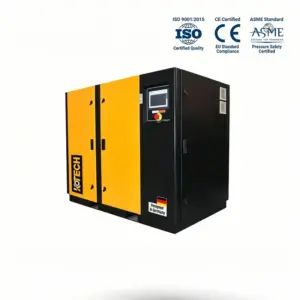
Maximizing Shop Productivity with a Two-Stage Air Compressor
For any gas station or auto repair shop owner, consistent, high-pressure air isn’t a luxury; it’s the lifeblood of daily operations. You’re constantly running impact wrenches, tire changers, paint sprayers, and even vehicle lifts. Trying to get by with an underpowered, single-stage air compressor in these high-demand environments is a recipe for frustration, inefficiency, and ultimately, lost revenue. The simple truth? A two-stage air compressor is the only reliable choice for the rigorous demands of a professional automotive service setting.
Why Two-Stage Compressors Are Non-Negotiable for Auto Shops
Let’s cut to the chase: a two-stage air compressor is built for continuous, heavy-duty use. It compresses air in two distinct stages, which means it runs cooler, more efficiently, and can deliver higher pressure (typically 175 PSI or more) with a better CFM (Cubic Feet per Minute) output than its single-stage counterparts. This isn’t just about raw power; it’s about *sustained* power. When your techs are cycling through tools all day, you need an air supply that doesn’t falter.
Your impact wrench won’t deliver full torque if the air pressure drops, and your tire inflation can become a time sink.
The Performance Edge: More Than Just Pressure
The real advantage of a two-stage unit extends beyond just higher PSI. It’s about how that pressure is delivered and maintained under load. In a gas station, you’re looking at tire inflation, small repairs, and potentially powering a car wash system. Auto repair shops have far more intense needs: impact wrenches, grinders, sanders, paint guns, plasma cutters, and even pneumatic lifts. These tools demand a consistent volume of air at a specific pressure.
A two-stage compressor handles the constant duty cycle much better. Because the air is compressed in two stages with intercooling between them, the internal components run at lower temperatures. This reduces wear and tear, making the compressor inherently more reliable for continuous operation. This translates directly to your shop’s productivity; fewer delays, better tool performance, and happier technicians.
Energy Savings and Long-Term ROI: The Data Speaks
Many shop owners initially balk at the higher upfront cost of a two-stage compressor. But that perspective ignores the long-term operational savings. A two-stage unit is significantly more energy-efficient for high-pressure, continuous applications.
For a busy auto shop, where the compressor often runs for hours each day, those savings add up fast. The motor isn’t working as hard to achieve the target pressure, consuming less electricity per CFM delivered.
Consider the lifespan too. Compare that to a single-stage unit that might struggle to hit 5-7 years under similar heavy use before needing major overhauls or replacement. The ROI on a two-stage unit becomes clear when you factor in lower energy bills and extended operational life, minimizing replacement costs and downtime.
When a Single-Stage Just Won't Cut It (And Why)
A single-stage air compressor compresses air in one go. It’s fine for intermittent, light-duty tasks like inflating bike tires or using a nail gun for a DIY project. But for professional automotive work? It’s simply inadequate.
The primary issues are heat and efficiency. Single-stage compressors generate more heat during compression, which leads to more moisture in the air (bad for tools) and puts more stress on the components. This translates to shorter duty cycles, meaning the compressor has to shut off more frequently to cool down, interrupting your workflow. They also struggle to maintain high PSI and CFM for extended periods, causing air tools to lose power and perform poorly. Don’t make that mistake.
Selecting the Right Two-Stage Unit: Key Considerations
Choosing the right two-stage air compressor isn’t just about buying the biggest one you can afford. It requires understanding your specific needs.
CFM Requirements
Add up the CFM requirements of all the tools you’ll be running simultaneously. Remember, a tool’s “average CFM” is often lower than its “continuous CFM” draw.
PSI Needs
Most automotive tools operate efficiently at 90-100 PSI. A two-stage compressor typically delivers 175 PSI, giving you plenty of headroom for pressure drops across air lines and filters, ensuring tools get the pressure they need.
Tank Size
While tank size doesn’t directly affect CFM output, a larger tank provides a greater reserve of compressed air, allowing the pump to run less frequently. This is beneficial for managing peak demands and reducing wear on the motor. For typical auto shops, a 60-gallon to 120-gallon tank is common.
Horsepower (HP)
HP is related to CFM. Don’t get fixated on HP alone; focus on CFM at your desired PSI. A 5 HP two-stage unit might deliver significantly more usable CFM than a 7.5 HP single-stage.
Power Supply
Most industrial two-stage compressors require 208V, 230V, or 460V three-phase power. Verify your shop’s electrical infrastructure can support the chosen unit. This is often an overlooked detail that can cause major headaches during installation.
Installation, Maintenance, and Operational Best Practices
Getting the right compressor is only half the battle. Proper installation and diligent maintenance are crucial for maximizing its lifespan and efficiency.
Professional Installation
Always use a certified electrician and compressor technician for installation. Correct wiring, proper ventilation, and secure mounting are paramount for safety and performance. The compressor needs to be in a clean, dry, well-ventilated area, away from dust and heat sources.
Air Drying and Filtration
This is where many shops cut corners. Compressed air contains moisture and oil vapor, which are detrimental to air tools and paint finishes. An air dryer (refrigerated or desiccant) and appropriate filters are non-negotiable. Dry, clean air extends tool life, prevents rust, and ensures high-quality work. According to **Statista 2023 data**, the global market for industrial filtration is steadily growing, reflecting the increasing recognition of its importance in operational efficiency and equipment longevity.
Regular Maintenance Schedule
- **Daily:** Drain the air tank to remove condensation.
- **Weekly/Monthly:** Check oil levels, inspect belts, clean air filters.
- **Quarterly/Annually:** Change oil, replace air filters, inspect valves, check for leaks, and have a professional technician perform a thorough inspection. This preventative maintenance schedule is key to avoiding costly breakdowns.
The Future of Shop Air: Efficiency and Smart Systems
The industry is moving towards even greater efficiency and integration. Variable Speed Drive (VSD) compressors, while typically rotary screw types, offer unparalleled energy savings by matching motor speed to air demand. For smaller shops, or those on a tighter budget, a well-maintained two-stage reciprocating compressor remains the workhorse. However, integrating smart controls, leak detection systems, and energy monitoring tools can further optimize any compressed air system, regardless of its core technology. Thinking ahead about these integrations can future-proof your investment.