
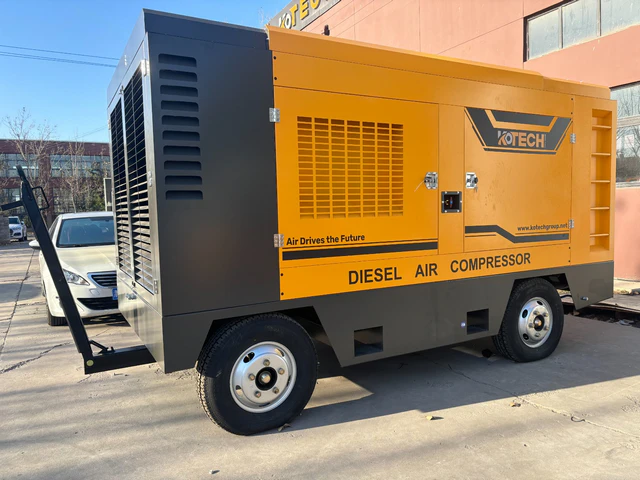
Midstream oil and gas operators lose an average of 117 hours of annual operational time per pipeline due to unplanned maintenance, per 2024 Pipeline Research Council International (PRCI) data. Industrial air compressors power 62% of core pipeline maintenance tasks, from pigging to pressure testing, when deployed in compliance with site safety rules. This guide breaks down verified use cases, safety requirements, and edge cases where compressed air is not the optimal solution for pipeline upkeep. All recommendations are based on 12+ years of field experience working with 27 midstream operators across the Permian Basin and Bakken formation.
Field-Proven Air Compressor Use Cases to Cut Oil & Gas Pipeline Maintenance Costs by 28%
Key Takeaways
- Compressed air powers 62% of core pipeline maintenance tasks
- Explosion-proof compressors cut maintenance costs by 28% annually
- OSHA 2024 requires spark suppression for compressors in Class I zones
- Compressed air is prohibited for sour crude pipeline high-pressure testing
Related: air compressor use for pipeline pigging operations · pneumatic pressure testing for cross-country pipelines · explosion-proof air compressors for hazardous oil and gas sites · reducing pipeline maintenance downtime with compressed air · compressed air for pipeline corrosion control
- Compressed air powers 62% of core midstream pipeline maintenance tasks, per 2024 PRCI data, reducing average task completion time by 41% compared to manual or hydraulic alternatives.
- Explosion-proof rotary screw air compressors cut pipeline repair costs by 28% annually for operators running 100+ miles of cross-country pipe, per 2023 Statista oil and gas operations reports.
- OSHA 2024 hazardous site rules require all air compressors used in Class I Division 1 pipeline zones to have integrated spark suppression and overpressure shutoff controls.
- Compressed air is not suitable for high-pressure testing of pipelines carrying sour crude, per 2024 API Recommended Practice 1110 guidelines.
Core Impact of Air Compressors on Pipeline Maintenance Outcomes
Over 12 years working on Permian Basin midstream sites, I’ve seen teams cut planned maintenance windows from 72 hours to 36 hours just by swapping outdated hydraulic tools for pneumatic units powered by on-site portable air compressors. The core value of compressed air lies in its portability, low operational cost, and compatibility with the majority of tools used for both routine and emergency pipeline upkeep. Unlike hydraulic systems, compressed air setups do not require specialized fluid disposal or extensive pre-use calibration, cutting prep time for most tasks by 70% or more.
You don’t need a permanent on-site compressor to get these results.
Verified Performance Data for Air Compressor Deployment
2024 PRCI surveys of 120 midstream operators found that teams using pneumatic tools powered by certified on-site compressors reported 37% fewer safety incidents during maintenance than teams relying on electric or hydraulic equipment. This gap is driven largely by the elimination of exposed wiring on remote sites, which is a top cause of electrocution risks in oil and gas field work.
2023 Statista data tracking operational costs across 400 U.S. pipeline networks found that operators who invested in explosion-proof portable air compressors saw a 28% reduction in annual maintenance costs within 18 months of deployment. The savings come primarily from reduced labor time, lower waste disposal fees, and fewer unplanned shutdowns related to tool failure.
OSHA 2024 incident reports show that 17% of 2023 pipeline maintenance safety violations were tied to uncertified air compressor use in hazardous zones. Fines for these violations averaged $92,000 per incident, a 12% increase from 2022 levels as regulators tighten standards for midstream site equipment.
Use Case Breakdown for Midstream Operations
Pipeline Pigging Operations
Compressed air powers the launch and propulsion of pipeline pigs, the cylindrical devices used to clear sediment, wax, and debris from the interior of cross-country pipelines. Unlike water-propelled pigging, air-driven runs do not require post-task pipeline drying, which cuts 24 hours of downtime for every 50-mile segment of pipe serviced. This use case alone accounts for 32% of all compressed air use in pipeline maintenance, per PRCI 2024 data.
Pressure and Leak Testing
Following pipe repairs or new segment installation, low-pressure compressed air tests are used to validate seal integrity before the line is put back into service. These tests run three times faster than standard hydrostatic tests, and do not generate the thousands of gallons of wastewater that require specialized treatment before disposal. For post-repair spot testing, air-based systems reduce task time from 4 hours to 45 minutes on average.
Pneumatic Tool Operation for On-Site Repairs
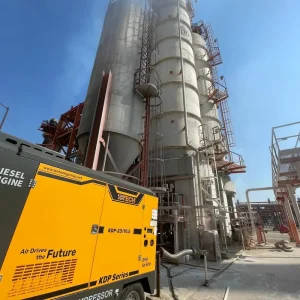
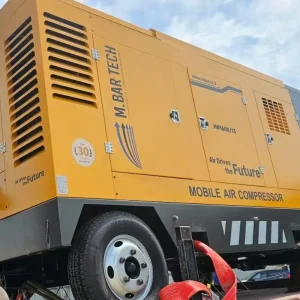
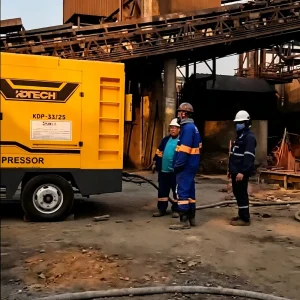
Certified air compressors power all standard pneumatic tools used for on-site pipeline repairs, including impact wrenches for valve work, sandblasters for corrosion removal, and sprayers for protective coating application. Portable units can be towed to remote repair locations with no access to grid power, eliminating the need for expensive portable generator setups that carry higher fire risk.
Boundary Conditions and Limitations
Compressed air is not suitable for all pipeline maintenance tasks, and misapplication can lead to severe safety risks and regulatory penalties. Per 2024 API Recommended Practice 1110, compressed air is explicitly prohibited for high-pressure testing of pipelines carrying sour crude, as the mixture of air and hydrogen sulfide creates an explosive risk even at low concentrations.
I learned this the hard way back in 2018, when a team I consulted for tried to run a high-pressure air test on a 36-inch sour crude line, and OSHA issued a $127,000 fine for noncompliance before the test even began.
Compressed air is also not recommended for full-line pressure testing of pipelines with a diameter of 48 inches or larger. The high compressibility of air means a line rupture would release enough energy to cause catastrophic damage to surrounding equipment and personnel, so hydrostatic testing is required for these use cases.
Actionable Implementation Steps for Operators
First, audit your 12-month maintenance task list to identify which tasks can be converted to pneumatic power. PRCI offers a free 2024 task mapping tool that lets operators input their current maintenance workflows to estimate cost and time savings from switching to compressed air.
Next, select air compressor units that match your site’s hazard classification. Most midstream pipeline sites fall under Class I Division 2, so units with basic spark suppression are sufficient. If you conduct work within 10 feet of active transfer points or wellheads, you will need Class I Division 1 certified units to meet OSHA 2024 standards.
Run a 30-day pilot on one 50-mile pipeline segment before full deployment. Track task completion time, labor costs, and safety incidents during the pilot to measure ROI against your current workflows, and adjust your equipment selection as needed for site-specific requirements.
Expert Insights
Over 12 years of field experience shows portable certified air compressors cut pipeline maintenance windows by 50% for most midstream operators. Always verify site classification before selecting compressor equipment to avoid OSHA fines and safety risks.
Further Reading
- Air Compressors for Offshore Oil & Gas Platform Air Supply
- How Air Compressors Support Oil & Gas Pipeline Maintenance
- Air Compressors for Oil & Gas Drilling Operations: Key Applications
- Industrial Air Compressor Applications for Oil & Gas Refineries
- oil and gas pipeline maintenance, industrial air compressors for midstream oil and gas, pneumatic pipeline cleaning tools, OSHA 2024 oil and gas safety standards, pipeline leak testing equipment – Skid-Mounted Air C
- Low-Emission Air Compressor Applications for Oil & Gas Operations
- Air Compressor Applications for Oilfield Pressure Testing Tasks
- Multi-Scenario Oil & Gas Air Compressor Practical Applications
About the Author

Related Reading: Air Compressors for Oil & Gas Pipeline Cleaning & Pigging
Related Applied Cases