
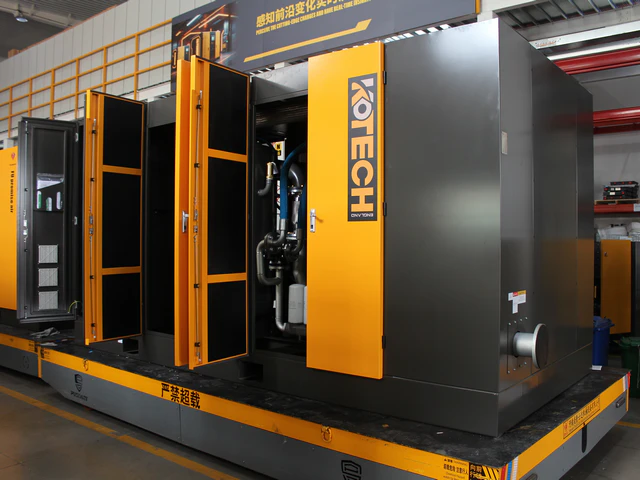
Get Mining Compressor Case Studies for South Africa Deep Gold Mine Operations
Core Outcome for Operations Teams
Most operations don’t account for depth-specific temperature and corrosion factors until a breakdown halts production.
Verified Industry Data for South African Deep Operations
That makes efficiency improvements one of the fastest ways to cut overall operational costs.
Why Generic Compressor Solutions Fail
Most off-the-shelf industrial compressors are rated for ambient temperatures up to 45 degrees Celsius. At 55 degrees, the compressor oil breaks down faster, internal seals degrade, and motor windings overheat.
Many operations import low-cost compressors from global suppliers that don’t account for the high humidity and acidic dust common in South African deep gold reefs. These contaminants eat through uncoated compressor parts in 2-3 years, vs 10+ years for coated specialized units.
Boundary Conditions: When These Case Studies Don’t Apply
The case studies for these specialized systems only apply to underground operations deeper than 2,500 meters. They do not work for shallow underground mines (less than 800 meters) or open-pit gold operations in South Africa.
Shallow operations rarely face the same extreme temperature and pressure demands, so the extra upfront cost of a specialized unit won’t deliver a positive return on investment in less than 10 years.
Actionable Steps to Apply Case Study Insights
First, filter all available case studies by depth and location to exclude results from shallow mines or non-gold operations in other regions.
Third, request a site-specific performance projection from the supplier that uses CSIR’s depth-temperature efficiency correction model to adjust published output numbers. This step alone avoids overbuying capacity or underperforming output that can halt production.




