
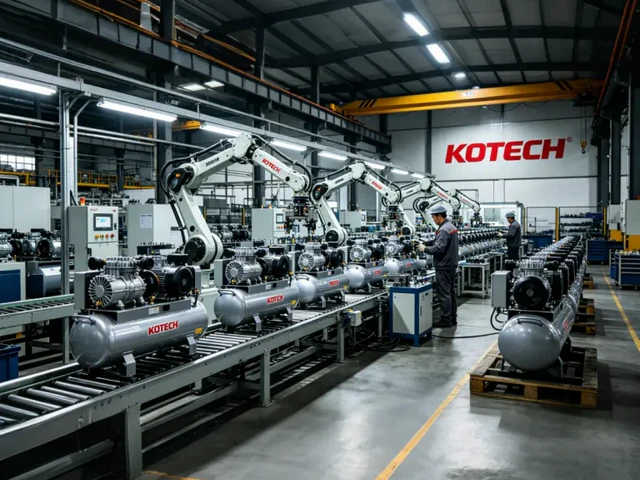
17 to 40 bar high pressure mining compressors deliver the consistent air power required for reliable hard rock drilling and blasting. This pressure range balances performance, cost, and energy efficiency for most mining operations.
Core Performance Requirements for Hard Rock Operations
Hard rock drilling relies on consistent high pressure to drive down-the-hole hammers and clear rock cuttings from the bore hole. Pressure fluctuations or insufficient output slow drilling progress, wear out drill bits prematurely, and can bring an entire shift to a halt. Blasting operations also require stable compressed air to power pre-blast drilling and prepare holes for explosive charges.
The cost of that delay far outpaces any savings from renting a cheaper, lower-rated unit.
Many operators overlook pressure requirements when planning small to mid-sized hard rock projects. This mistake leads to avoidable operational costs.
Verified Industry Data & Demand Trends
Global demand for hard rock minerals and oil and gas exploration in hard rock formations is pushing steady growth for correctly rated high pressure compressors.
Matching your compressor pressure to your hard rock operation directly impacts your bottom line, not just your drilling speed.
When This Pressure Range Isn’t the Right Fit
Not all hard rock operations require 17-40 bar, and some need higher pressure output. This range is not suitable for soft rock alluvial mining, where typical pressure requirements stay below 12 bar. Specifying a 17-40 bar unit for soft rock work will only add unnecessary capital or rental costs and increase fuel use.
This range is also not recommended for ultra-deep underground drilling over 3500 meters, or large-bore shaft blasting that requires consistent pressure above 40 bar to overcome pressure drop over long hose lines.
For small single-drill surface projects under 500 meters depth, a 17 bar unit is sufficient for most hard rock formations. Larger projects with multiple drills will require 25-40 bar output to meet simultaneous demand.
Actionable Selection Tips for Operators
First, calculate your required CFM (cubic feet per minute) and pressure based on your drill size, number of simultaneous drills, and total hose length from the compressor to the drill face.
Second, confirm that your compressor is rated for continuous outdoor operation in your site’s climate. Look for dust filtration systems and corrosion resistance that match dusty or high-moisture mining environments. This reduces maintenance needs and extends equipment lifespan.
Third, if you’re renting equipment for a short-term project, confirm the compressor’s rated pressure matches your job requirements before you sign the contract. Many rental companies will push lower-priced lower-rated units that don’t fit hard rock work, so double check the specs to avoid unexpected downtime.




