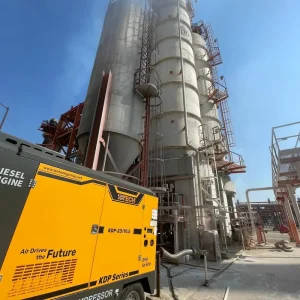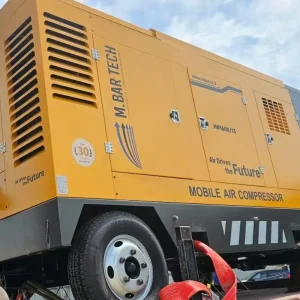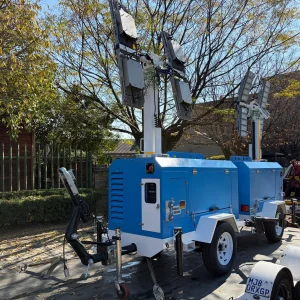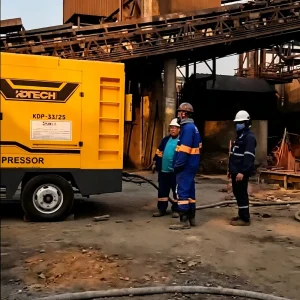

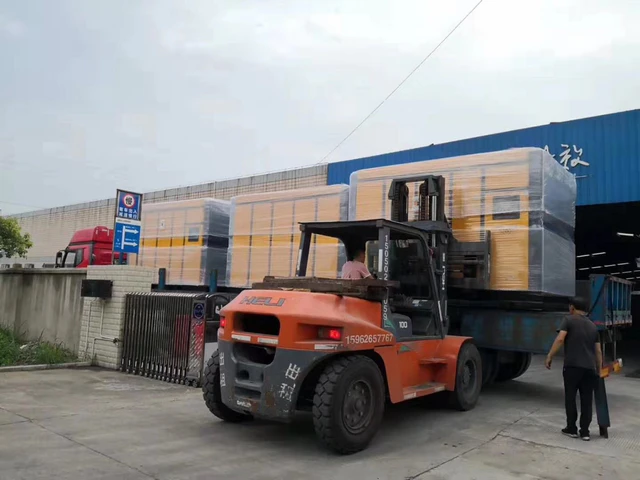
Effective mining air compressor system design is critical for operational efficiency, safety, and cost control. This guide, from a 12-year industry veteran, focuses on total cost of ownership (TCO), robust reliability in extreme conditions, and integrating modern technologies like electrification and IoT for optimal performance. We cut through the noise to deliver actionable insights, emphasizing proper sizing, environmental resilience, and compliance with evolving industry standards.
Designing Robust Air Compressor Systems for Mining Operations
Key Takeaways
- Total Cost of Ownership (TCO) is paramount, encompassing fuel, maintenance, and downtime.
- Reliability is non-negotiable due to high costs of mining downtime.
- Energy efficiency, especially fuel consumption, significantly impacts operational expenses.
- Modern trends include electrification, hybrid solutions, and IoT for predictive maintenance.
- Design must account for extreme mining conditions: dust, temperature, moisture, vibration.
- Accurate sizing (CFM/PSI) prevents inefficiency and equipment strain.
- Specialized considerations apply for underground or high-altitude operations.
- Actionable steps include air audits, TCO analysis, environmental hardening, and service planning.
Related: portable diesel air compressor · heavy-duty air compression · underground mining air systems · quarry equipment reliability · compressed air solutions for mining · industrial air compressor selection · energy-efficient mining compressors · remote monitoring air compressors
- Total Cost of Ownership (TCO) is the ultimate metric. Don’t just look at the upfront price; factor in fuel, maintenance, and potential downtime costs.
- Reliability trumps all else in mining. Downtime is catastrophic. System redundancy and robust components are non-negotiable.
- Energy efficiency is no longer optional. Fuel consumption can dominate operational expenses. Modern compressors offer significant savings.
- Safety and compliance dictate design. Emissions standards, noise limits, and operational safety features must be integrated from day one.
- Right-sizing prevents headaches. Oversizing wastes capital and energy; undersizing causes equipment strain and operational bottlenecks.
When you’re looking at mining air compressor system design, you’re not just buying a piece of equipment. You’re investing in the very heartbeat of your operation. Get it wrong, and you face crippling downtime, escalating costs, and potential safety hazards. My experience over the last twelve years in this sector tells me that the core judgment isn’t about finding the cheapest unit; it’s about optimizing for the lowest Total Cost of Ownership (TCO) while ensuring unwavering reliability in some of the planet’s harshest conditions.
Initial Assessment: Why Mining Air Compressor Systems are Different
Mining operations present unique challenges that standard industrial air compressors simply aren’t built for. We’re talking about extreme temperatures, high dust and moisture levels, remote locations, and the constant threat of vibrations and impacts. These factors demand a specialized approach to system design, far beyond what you’d typically find in a manufacturing plant.
The pain points are universal: unexpected breakdowns, excessive fuel consumption, and the logistical nightmare of maintenance in a remote mine site. A poorly designed system can lead to massive losses. For instance, unplanned downtime in larger mining operations can cost upwards of $250,000 per hour, as reported by Deloitte in 2023. This isn’t just about lost production; it’s about safety risks when critical tools are offline and the ripple effect across the entire supply chain.
The True Cost: Beyond the Purchase Price
The initial capital expenditure for a mining air compressor system is often just the tip of the iceberg. What truly impacts your bottom line are the ongoing operational costs.
Understanding Total Cost of Ownership (TCO)
Fuel consumption, maintenance, and parts availability are huge. Fuel can account for up to 80% of an air compressor’s total lifecycle cost, according to a 2022 report by the Compressed Air & Gas Institute (CAGI). That statistic alone should make you rethink any “bargain” compressor that sips fuel like a thirsty camel. When we talk TCO, we’re considering:
- Fuel/Power Consumption: The biggest variable.
- Maintenance & Parts: Availability, cost, and frequency.
- Downtime Costs: Lost production, labor, safety implications.
- Environmental Compliance: Emissions, noise, waste disposal.
- Labor Costs: Operation and monitoring.
Frankly, I’ve seen too many operations get burned by focusing solely on the purchase price. A few thousand dollars saved upfront can easily translate into hundreds of thousands in avoidable operational expenses over the system’s lifespan.
Navigating Modern Demands: Trends and Technology
The mining sector isn’t static, and neither are the technologies supporting it. Modern mining air compressor system design incorporates advancements aimed at efficiency, sustainability, and connectivity.
Electrification and Hybrid Solutions
The push for decarbonization and cleaner operations is accelerating. Electric and hybrid compressors are gaining traction, especially for fixed-site operations or where power infrastructure allows. The global market for electric and hybrid mining equipment is projected to grow at a CAGR of over 15% through 2030, driven by sustainability goals and operational efficiency, per a 2023 analysis by Mordor Intelligence. This isn’t just about PR; electric compressors offer lower noise, zero direct emissions, and often lower maintenance due to fewer moving parts. For portable applications, battery-electric compressors are emerging, though range and charging infrastructure remain considerations.
IoT and Predictive Maintenance
Remote monitoring and IoT integration are transforming how we manage compressor fleets. Telemetry systems can track performance metrics like pressure, temperature, fuel levels, and running hours in real-time. This data enables predictive maintenance, allowing you to address potential issues before they cause costly failures. Imagine knowing a bearing is showing signs of wear weeks before it seizes, allowing you to schedule maintenance during planned downtime. This capability is a game-changer for remote mine sites where logistics are complex.
Critical Design Considerations: Sizing, Environment, and Maintenance
Getting the specifics right is what separates a good design from a great one.
Accurate Sizing: CFM and PSI
This is fundamental. You need to precisely calculate your required CFM (Cubic Feet per Minute) and PSI (Pounds per Square Inch) based on all pneumatic tools, drills, and processes running simultaneously, plus a buffer. Oversizing leads to inefficient partial-load operation, wasting energy. Undersizing causes pressure drops, tool underperformance, and accelerated wear on the compressor. Always factor in potential future expansion.
Environmental Resilience
Mining environments are brutal. Your compressor system needs to withstand:
- Dust and Particulates: Heavy-duty air filtration, often multi-stage, is essential. Think about the air intake location.
- Extreme Temperatures: From sub-zero winters to scorching summers, the system must perform. Adequate cooling for hot climates and cold-start packages for frigid ones are vital.
- Moisture and Humidity: Aftercoolers and air dryers (refrigerated or desiccant) are often necessary to prevent moisture from damaging tools and processes.
- Vibration and Shock: Robust frames, anti-vibration mounts, and heavy-duty components are standard for mobile or portable units.
Maintenance Accessibility and Schedule
Ease of maintenance is a design factor. Can filters be changed quickly? Are fluid levels easily checked? Is there space for technicians to work safely? In remote locations, simplified maintenance procedures and extended service intervals are invaluable. Consider models with common parts across your fleet to reduce inventory complexity.
When Standard Won’t Cut It: Special Cases and Boundary Conditions
While general principles apply, some scenarios demand unique solutions. A standard portable diesel air compressor might be perfect for surface drilling, but it’s completely unsuitable for an underground operation.
Underground Mining Systems
For underground mines, emissions are a critical concern. Diesel compressors require extensive exhaust treatment and ventilation, adding complexity and cost. Electric compressors or specialized underground-rated units with advanced filtration are often preferred. Safety features like emergency stops, fire suppression, and intrinsically safe components are paramount. This is where a generic “mining air compressor” semantic understanding falls short; the environment fundamentally changes the requirements.
High-Altitude Operations
Air density decreases at high altitudes, impacting compressor performance. You’ll need to derate standard compressors or specify units designed for high-altitude operation to ensure adequate CFM output. This is a common oversight that can severely hamper productivity.
Actionable Steps for Your Next Project
1. Conduct a Comprehensive Air Audit: Don’t guess your air demand. Measure it. Account for future needs. 2. Prioritize TCO: Evaluate potential systems based on lifetime costs, not just upfront price. Get detailed fuel consumption data. 3. Specify Environmental Hardening: Ensure the unit is built to withstand your specific mine’s conditions (dust, temperature, altitude, humidity). 4. Integrate Connectivity: Look for remote monitoring capabilities to enable predictive maintenance and optimize scheduling. 5. Plan for Service & Parts: Confirm local dealer support, parts availability, and technician expertise. A great compressor is useless without support. 6. Verify Compliance: Double-check all local and national regulations for emissions, noise, and safety.
Remember, a well-designed mining air compressor system is a strategic asset. It’s about ensuring consistent, reliable power to your tools, protecting your investment, and ultimately, keeping your operation profitable and safe.
Expert Insights
"In mining, your air compressor isn't just a tool; it's a lifeline. Cutting corners on its design means inviting operational chaos and financial drain. Invest in reliability, efficiency, and robust support, and your system will pay you back tenfold in consistent uptime and lower long
— term costs."
Further Reading
- Multi-Functional Portable Diesel Air Compressor Mining Applications
- Tech Sharing: How to Extend Mining Air Compressor Service Life
- Mining Air Compressor Energy Saving Technology & Transformation Skills
- Core Technology Sharing of Heavy-Duty Mining Air Compressors
- Mining Air Compressor System Design – Mining Air Compres
- Demand Insights of Mining Air Compressors for Open Pit Mines
- Industry Insights on Low-Carbon Mining Air Compressor Devices
- Compact Portable Diesel Compressor Applications for Small Mining Projects
About the Author

Related Reading: Complete Set Mining Air Compressor System Design for Mines
Related Applied Cases