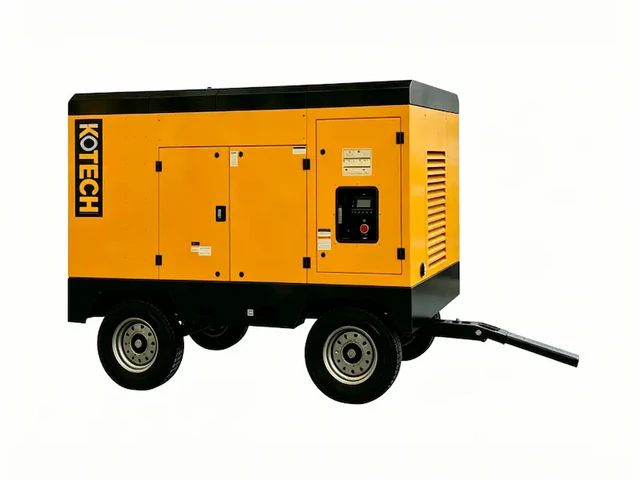
Maximizing Uptime: The Core Tech Behind Heavy-Duty Mining Air Compressors
- Energy Efficiency is Paramount: Advanced motor and drive systems like VSD and PMM are non-negotiable for mitigating high operating costs.
- Durability Underpins Uptime: Designs must intrinsically withstand extreme dust, temperature swings, and constant vibration to prevent catastrophic failures.
- Serviceability Drives Productivity: Modular components and thoughtful design drastically reduce maintenance time and complexity, keeping operations running.
The Unforgiving Demands of Mining Operations
Heavy-duty mining air compressors aren’t just industrial machines; they’re the lifeblood of critical operations, from powering pneumatic tools to ventilation systems. The environment they operate in is nothing short of brutal: abrasive dust, extreme temperatures, high humidity, corrosive elements, and constant vibration. This unique combination creates a perfect storm for equipment failure, driving up maintenance costs and, more critically, causing expensive downtime.
Energy Efficiency: A Non-Negotiable Imperative
In mining, energy costs are a top-tier pain point. Compressed air generation is notoriously energy-intensive, often accounting for a significant portion of a mine’s electricity bill. For a large-scale mining operation, even marginal improvements in compressor efficiency translate into substantial savings over the equipment’s lifecycle. It’s not just about turning the compressor on; it’s about how smart it runs.
Durability and Reliability Under Extreme Stress
Imagine operating in temperatures ranging from sub-zero to scorching desert heat, all while inhaling fine rock dust. This is the daily reality for mining compressors. Their components must be engineered to resist wear, corrosion, and fatigue. Any weak link, from a poorly sealed enclosure to an inadequate cooling system, can lead to premature failure. That kind of financial hit makes reliability paramount.
Safety and Environmental Compliance
Beyond performance and cost, safety is non-negotiable in mining. Compressors need to meet stringent safety standards, including explosion-proof designs for underground operations, robust noise reduction, and effective heat dissipation to protect personnel. Environmental regulations also demand lower emissions and reduced energy footprints, pushing manufacturers towards greener technologies.
Core Technological Pillars Driving Uptime and Efficiency
The evolution of core compressor technology directly tackles these mining challenges. It’s no longer just about brute force; it’s about intelligent design and integrated systems.
Advanced Motor and Drive Systems: The Efficiency Engine
The most significant leap in compressor efficiency comes from sophisticated motor and drive technologies.
- Permanent Magnet Motor (PMM) Technology: PMMs offer superior efficiency compared to traditional induction motors, especially at partial loads, which is common in many mining applications. They are compact, require less maintenance, and deliver higher power density, making them ideal for space-constrained or remote installations. Integrating PMM with VSD technology offers the best of both worlds: maximum efficiency across the entire operating range.
Robust Filtration and Cooling Solutions: Protecting the Investment
The air quality in a mine is terrible for machinery. Effective filtration is critical.
- Multi-Stage Air Filtration: Heavy-duty compressors employ advanced multi-stage filtration systems designed to remove abrasive dust particles as small as sub-micron levels. This protects the internal components, extends the life of the compressor element, and ensures clean air output.
- Heavy-Duty Cooling Systems: Operating in high ambient temperatures demands oversized and highly efficient cooling systems. These often feature robust, widely spaced coolers that resist clogging from dust and debris, ensuring optimal operating temperatures for lubricants and compressed air.
Smart Monitoring and Predictive Maintenance: The Digital Watchdog
The ability to monitor compressor health in real-time is revolutionary.
- IoT Integration and Remote Monitoring: Modern heavy-duty compressors come equipped with IoT sensors that collect vast amounts of operational data: pressure, temperature, vibration, energy consumption, and more. This data is transmitted to centralized monitoring platforms, allowing operators to track performance from anywhere.
Modular Design for Enhanced Serviceability: Time is Money
When a compressor does need maintenance, speed is of the essence.
- Modular Components: Designing compressors with easily accessible, replaceable modules for core components like the airend, motor, and cooling system drastically cuts down repair times. Technicians can swap out entire sections rather than spending hours disassembling complex units on-site.
- Intuitive Diagnostics: Onboard diagnostic systems with clear error codes and guided troubleshooting procedures empower maintenance teams to quickly identify and address issues, reducing reliance on specialized technicians for every fault.
Beyond the Hype: When Advanced Tech Isn’t the Silver Bullet
While these advanced technologies offer immense benefits, it’s crucial to understand their limitations. For very small, intermittent operations or those with extremely stable, constant air demand that rarely fluctuates, a simpler, fixed-speed compressor might still be a more cost-effective initial investment. The higher upfront cost of VSD or PMM units needs to be justified by the energy savings over their operational life. It’s about matching the technology to the actual application, not just buying the latest gadget.
Implementing Best Practices: What to Look For
- Application-Specific Design: Ensure the compressor is explicitly rated for mining conditions. Look for features like heavy-duty enclosures, robust filtration, and corrosion-resistant components.
- Energy Efficiency Ratings: Demand clear data on specific power consumption (kW/100cfm) across the expected load range. VSD and PMM technologies should be prioritized for variable demand.
- Service and Support Network: A sophisticated machine is only as good as the support behind it. A strong local dealer network with readily available parts and skilled technicians is invaluable.
- Integration Capabilities: Can the compressor integrate with your existing SCADA or plant management systems? Remote monitoring and predictive maintenance features should be standard.
- Total Cost of Ownership (TCO): Look beyond the purchase price. Factor in energy consumption, maintenance costs, expected lifespan, and potential downtime savings.
The Future Landscape: Sustainability and Autonomy
Looking ahead, the next generation of heavy-duty mining air compressors will likely push further into sustainability and autonomy. Expect greater integration of heat recovery systems to repurpose waste heat, further reducing energy footprints. The drive towards fully autonomous mining operations will also demand compressors capable of self-diagnosis, self-optimization, and seamless integration into AI-driven control systems, minimizing human intervention in hazardous environments. We’re on the cusp of truly intelligent compressed air systems.