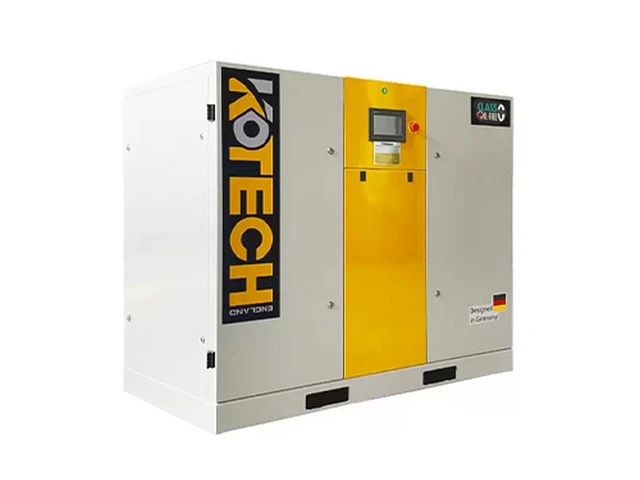
Driving Efficiency: The Imperative for Mining Air Compressor Evolution
- Energy efficiency isn’t optional; it’s a survival mechanism, with VSD technology leading significant cost reductions.
- Digitalization and remote monitoring are transforming maintenance from reactive to predictive, slashing costly downtime in remote mine sites.
- Sustainability mandates are driving demand for oil-free and lower-emission compressor solutions, aligning operational goals with environmental responsibility.
- The shift towards modular, robust designs enhances operational flexibility and simplifies deployment in challenging mining environments.
The mining air compressor industry is at a critical inflection point, with operational demands and environmental pressures forcing rapid technological evolution.
The Urgency of Modernization: Addressing Core Pain Points
Mine operators consistently grapple with a few persistent headaches when it comes to their compressed air supply. High energy consumption tops the list. Compressed air systems are notorious energy hogs, often accounting for a substantial portion of a mine’s total electricity bill. Then there’s the relentless battle against unplanned downtime. A critical air compressor failure can halt production, costing hundreds of thousands of dollars per hour, especially in remote underground operations. Maintenance costs for traditional systems, often involving reactive repairs, add another layer of financial strain.
Environmental compliance is another growing pressure point. Regulations on noise, emissions, and waste disposal are becoming stricter globally, pushing mines to adopt cleaner, quieter equipment. Worker safety, particularly in confined or hazardous environments, also benefits immensely from more reliable and automated systems. These aren’t abstract concepts; they are daily operational realities that directly impact a mine’s bottom line and license to operate.
Key Technological Drivers & Their Impact
The technological iterations we’re seeing are directly addressing these pain points.
Variable Speed Drive (VSD) Compressors: The Energy Game-Changer
The adoption of Variable Speed Drive (VSD) technology has been a monumental shift. Unlike fixed-speed compressors that run at full capacity regardless of demand, VSD units adjust their motor speed to match the actual air requirements. This precision control leads to substantial energy savings.
Digitalization and IIoT: Enabling Predictive Maintenance
The integration of Industrial Internet of Things (IIoT) sensors and advanced analytics platforms is transforming how mines manage their air systems. Remote monitoring of critical parameters like pressure, temperature, flow rates, and vibration allows for real-time performance tracking. This data feeds into predictive maintenance algorithms. Instead of waiting for a breakdown, operators receive alerts indicating potential issues before they escalate.
Sustainable Solutions: Oil-Free and Lower Emissions
Environmental stewardship is no longer a niche concern; it’s central to mining operations. This drives demand for technologies like oil-free air compressors, which eliminate the risk of oil contamination in the compressed air stream and reduce the need for costly condensate treatment. Furthermore, manufacturers are developing more energy-efficient models with smaller carbon footprints, aligning with broader corporate sustainability goals. The push for electrification in mining equipment also extends to compressors, offering solutions that reduce reliance on diesel generators in specific applications.
Operational Benefits & Strategic Imperatives
Beyond direct cost savings, these technological advancements bring a host of operational advantages. Enhanced reliability means consistent air supply for critical processes like drilling, ventilation, and material handling, directly impacting productivity. Improved safety is another significant benefit; fewer manual inspections in hazardous areas and more stable equipment operation reduce risks.
The strategic imperative for mine operators is clear: embrace these technologies not just as upgrades, but as integral components of a smart, connected mine. This means evaluating the total cost of ownership (TCO) rather than just initial capital expenditure. A higher upfront cost for a VSD, IoT-enabled compressor often translates into significantly lower operational costs over its lifespan due to reduced energy consumption and optimized maintenance.
Navigating the Transition: Challenges and Considerations
Implementing these advanced systems isn’t without its hurdles. Integrating new digital platforms with existing SCADA or ERP systems can be complex. There’s also the need for upskilling maintenance teams to interpret data and manage smart systems effectively.
However, a critical boundary condition to consider is the application itself. While VSD technology offers immense benefits for fluctuating air demand, it’s not a universal panacea. For operations with consistently high, stable air demand, a well-optimized fixed-speed unit might still present a lower initial capital expenditure and simpler control. Its long-term energy costs will likely be higher, but for short-term projects or specific base-load applications, it could be a viable option.
Future Outlook: Smart Mining & Connected Systems
The trajectory for mining air compressors points towards deeper integration into broader smart mining ecosystems. Imagine compressors that autonomously adjust output based on real-time drilling activity, or systems that communicate directly with ventilation controls to optimize air quality and flow.
Actionable Steps for Mine Operators
- Conduct a Comprehensive Air System Audit: Understand your current air demand profile, identify leaks, and assess the efficiency of existing equipment. Many compressor manufacturers offer these services.
- Prioritize VSD Technology: For any new installations or replacements, especially where demand fluctuates, VSD compressors should be the default choice to realize immediate energy savings.
- Invest in Digital Monitoring: Implement IIoT sensors and a robust data analytics platform. Start small if necessary, focusing on critical assets, and scale up. This empowers predictive maintenance.
- Train Your Workforce: Equip your maintenance and operational teams with the skills to manage and troubleshoot advanced compressed air systems and interpret performance data.
- Explore Sustainable Options: Evaluate oil-free compressors and other eco-friendly solutions to meet environmental targets and enhance your corporate social responsibility profile.
- Partner with Experts: Collaborate with reputable compressor manufacturers and service providers who understand the unique demands of the mining environment. Their expertise can be invaluable in designing and implementing optimized solutions.
The mining air compressor industry is evolving rapidly, and staying competitive means embracing these changes. The benefits—reduced operational costs, increased reliability, and a smaller environmental footprint—are simply too significant to ignore.