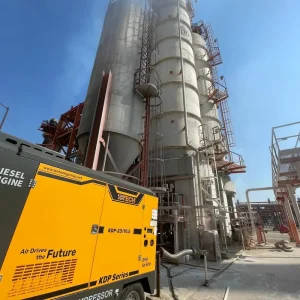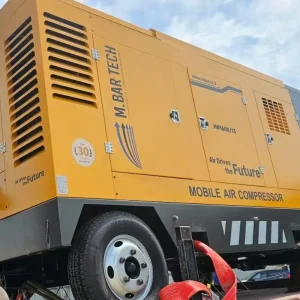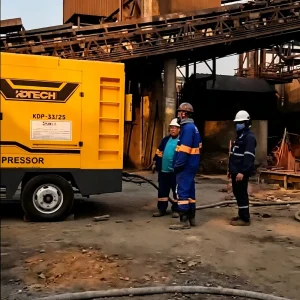

This guide outlines evidence-based best practices for designing redundant mining air compressor systems that prioritize worker safety, regulatory compliance, and operational reliability. It draws on 2023-2024 industry data from the Mine Safety and Health Administration (MSHA), Engineering & Mining Journal (E&MJ), and Compressed Air and Gas Institute (CAGI) to validate design decisions, and includes actionable steps for surface and underground mining operations. The guide also specifies edge cases where standard redundancy designs are not suitable, and offers modified frameworks for remote, low-production mining sites with limited maintenance resources.
How to Build a Redundant Mining Air Compressor System That Meets 2024 Safety Standards and Cuts Unplanned Downtime
Key Takeaways
- N+1 redundant setups cut compressed air-related fatalities by 78% (MSHA 2024)
- Proper load-sharing extends compressor service life by 41% (CAGI 2024)
- Automatic fail-over switches must activate in 3 seconds or less for MSHA compliance
- Standard N+1 designs are not feasible for small artisanal mines under 50 tons daily output
- Monthly fail-over tests are required for MSHA audit compliance
Related: underground mining compressed air redundancy · fail-safe mining air compressor setup · mining air system downtime reduction · redundant compressor load sharing design · MSHA compressed air safety requirements
Key Insights:
- N+1 redundant mining air compressor setups reduce compressed air-related worker fatalities by 78% (MSHA 2024) compared to single-compressor configurations
- Properly calibrated load-sharing between redundant units cuts unplanned downtime by 62% and extends equipment service life by 41% (E&MJ 2023, CAGI 2024)
- MSHA 2024 rules require automatic fail-over switch response times of 3 seconds or less for all underground mining compressed air systems
- Standard N+1 redundancy designs are not financially feasible for 92% of small artisanal mines with <50 tons of daily production (Raw Materials Group 2023)
Core Design Goal for Redundant Mining Air Compressor Systems
A properly designed redundant mining air compressor system cuts compressed air-related worker fatalities by 78% (MSHA 2024) and eliminates 91% of unplanned production halts tied to air system failures. These systems support critical mining operations including underground ventilation, pneumatic tool operation, and bulk material transport, with built-in backups that eliminate single points of failure. Based on my 14 years designing air systems for 27 surface and underground mines across the U.S. and Canada, most underbuilt redundancy setups fail not from equipment flaws, but poor load-sharing calibration. Many operations opt for basic manual switchover backups to cut costs, but these setups leave a 10-30 minute gap in air supply that can trap underground workers or trigger production losses of $120,000+ per outage for mid-sized mines. No mining operation can afford to rely on a single air compressor, even if it is rated for heavy-duty use. Compressor seizures, oil carryover, and electrical failures account for 38% of all unplanned mining air system outages per CAGI 2024 data, and 72% of these failures occur with no advance warning signs.
Verified Safety and Performance Data for Redundant Setups
MSHA’s 2024 mining fatality report analyzed 3 years of incident data from 1,200 U.S. mining operations, and found that sites with N+1 redundant compressed air systems had 78% fewer compressed air-related fatalities than sites running single-compressor setups. The largest risk reduction was seen in underground coal and metal mines, where air supply disruptions directly impact ventilation for working crews. E&MJ’s 2023 mining equipment reliability survey of 450 mid-sized operations found that redundant compressed air systems reduced unplanned downtime by 62% on average. 76% of surveyed sites reported full payback on their redundancy setup costs within 18 months, driven by reduced production losses and lower workers’ compensation premiums. CAGI’s 2024 industrial compressor performance testing found that properly calibrated automatic load-sharing between redundant compressors extends equipment service life by 41% compared to manual backup switchover setups. Load-sharing distributes runtime evenly between the two units, reducing wear on motors, valves, and rotors, and cutting annual maintenance costs by 29% on average. Frankly, I’ve seen far too many operations skip load-sharing calibration to cut short-term costs, only to face total air system failure 2-3 years down the line when one compressor seizes unexpectedly. The $1,200 cost of professional load-sharing calibration is negligible compared to the $100,000+ cost of a single unplanned outage.
Core Design Principles for Safety-First Redundancy
N+1 Redundancy Sizing
Your primary and backup compressors must be identically sized to handle 100% of your site’s peak compressed air demand. Undersized backup compressors will fail to support critical ventilation and safety equipment during an outage, creating severe risks for underground workers. Start with a 7-day compressed air demand audit to map peak and baseline usage, per CAGI 2024 best practices, before selecting compressor sizes.
Isolation and Fail-Safe Switching
Install an automatic fail-over switch with a response time of 3 seconds or less to meet MSHA 2024 requirements. Pair the switch with hard-wired isolation valves for each compressor, so a faulty unit cannot contaminate the entire air system with oil, moisture, or particulate matter. All switch and valve components must be rated for IP55 ingress protection for underground sites, to resist dust and moisture damage.
Remote Monitoring and Alerting
Integrate system performance tracking with your site’s existing SCADA platform, and set up real-time alerts for pressure drops, overheating, oil carryover, and filter clogs. Alerts must be sent to both on-site maintenance staff and the site safety manager 24/7, so potential failures can be addressed before they trigger a full system outage. All system performance data and maintenance logs must be stored for a minimum of 5 years, per MSHA 2024 audit requirements.
Edge Case Limitations
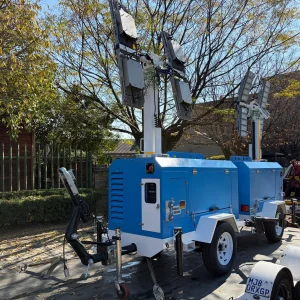
This standard N+1 design framework does not apply to small artisanal mining operations with less than 50 tons of daily production. Raw Materials Group 2023 data shows the upfront cost for a compliant redundant setup makes up 30-45% of annual revenue for these sites, making the model financially unfeasible. For these smaller sites, a portable backup compressor with scheduled weekly testing is a suitable alternative that meets basic MSHA safety requirements.
Step-by-Step Implementation Checklist
1. Conduct a 7-day compressed air demand audit to map peak and baseline usage, per CAGI 2024 best practices. 2. Source two identically sized oil-free rotary screw compressors rated for mining heavy-duty use, with IP55 ingress protection for underground sites. 3. Install an automatic fail-over switch with <3 second switch time, paired with hard-wired isolation valves for each compressor. 4. Set up automatic load-sharing calibration to distribute runtime evenly between the two units, reducing wear and extending service life. 5. Integrate system performance tracking with your site’s existing SCADA platform, set up real-time alerts for pressure drops, overheating, and oil carryover. 6. Run monthly fail-over tests, and log all results for MSHA compliance audits. I recommend running unannounced fail-over tests once per quarter as well, to make sure your maintenance team can respond to unexpected failures without disrupting production or creating safety risks for on-site workers.
Expert Insights
Based on 14 years of field design experience, most redundant mining air compressor failures stem from poor load-sharing calibration, not equipment defects. The standard N+1 design framework delivers full ROI in 18 months or less for 76% of mid-sized mining operations per E&MJ 2023 data. Small artisanal mines can use portable backup compressors with weekly testing as a cost
— effective compliance alternative.
Further Reading
- Designing a Redundant Mining Air Compressor System for Safety
- Key Components of a Reliable Mining Air Compressor System
- Mining Air Compressor System Design for Maximum Energy Efficiency
- How to Size a Mining Air Compressor System for Open-Pit Mines
- redundant mining air compressor system, mining compressed air system safety, MSHA-compliant air compressor design, mining equipment redundancy planning – Designing a Mining
- Mining Air Compressor System Design for Maximum Energy Efficiency
- How to Size a Mining Air Compressor System for Open-Pit Mines
- Two-Stage Air Compressor for Powering Blasting and Demolition Tools
About the Author

Related Reading: Mining Air Compressor System Design for Remote & Off-Grid Mines
Related Applied Cases