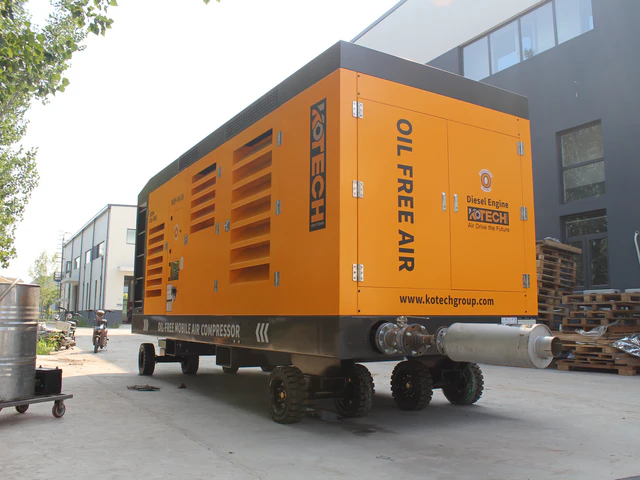
Maximizing Mine Productivity with Towable Diesel Air Compressors
The Unsung Workhorse: Why Towable Diesel Air Compressors Matter in Mining
Towable diesel air compressors are more than just machinery; they are the mobile lungs of a mining operation, providing the crucial pneumatic power needed to keep things running. In this industry, where remote locations, extreme conditions, and continuous operation are the norm, a reliable, self-contained air supply isn’t a luxury—it’s a necessity. This mobility and independence are exactly why these units remain indispensable.
These compressors are built for the grit and grind of mining. They’re designed to withstand dust, vibration, and temperature extremes, delivering consistent airflow and pressure regardless of the terrain. Their diesel engines offer the power density and fuel flexibility required for prolonged operations in areas where electrical infrastructure is nonexistent or impractical to install. Simply put, if you need air power on a moving front or a newly opened pit, a towable diesel unit is often your only viable option.
Driving Efficiency and Sustainability: Industry Trends and Data
The mining sector is constantly evolving, with a strong push towards greater efficiency and environmental stewardship. Modern towable diesel air compressors reflect these trends, incorporating technologies that directly address operational pain points.
Fuel consumption, for example, remains a significant cost driver. This makes the fuel efficiency of a compressor a critical purchasing factor. Manufacturers have responded with advanced engine management systems and variable speed drive (VSD) technology, which optimize fuel use by matching output to demand. Furthermore, environmental regulations are tightening.
Critical Applications: More Than Just Air
The applications for towable diesel air compressors in mining are broad and fundamental. They are the silent partners enabling many core processes.
Blast Hole Drilling
This is perhaps the most iconic application. Before any large-scale excavation, blast holes must be drilled into the rock. Pneumatic rock drills, powered by high-pressure air from towable compressors, are essential for creating these holes efficiently. The mobility of the compressor allows it to follow the drilling rig across vast open-pit mines or move between different drilling faces in underground operations. Without a robust and reliable air supply, the entire blasting cycle grinds to a halt.
Pneumatic Tool Operation and Maintenance
Beyond drilling, these compressors power a wide array of pneumatic tools crucial for day-to-day operations and maintenance. Impact wrenches are used for tightening and loosening bolts on heavy machinery, saving countless hours compared to manual methods. Chippers and grinders help prepare surfaces or remove stubborn materials. Even simple tasks like inflating the massive tires on haul trucks require a significant volume of compressed air that only a powerful towable unit can reliably provide. Keeping heavy equipment running smoothly is paramount, and these compressors are key enablers.
Auxiliary Mining Tasks
Their utility extends to various auxiliary tasks. Air lances are used for cleaning dust and debris from machinery and work areas, improving safety and preventing equipment breakdowns. Some smaller, specialized air-driven pumps can be used for dewatering sumps in remote areas where electrical power isn’t available, though this is often a secondary application. In certain tunneling operations, compressed air can also be used for temporary ventilation, clearing smoke or providing fresh air until permanent systems are installed.
Navigating the Terrain: Challenges and Considerations
While towable diesel air compressors are indispensable, they aren’t a silver bullet. Several factors require careful consideration. Noise levels can be a concern, especially in sensitive areas or during night shifts, though modern units are significantly quieter. Fuel management, including storage, transport, and refueling, adds to operational complexity and cost, particularly in very remote sites. Emissions, despite Tier 4 Final advancements, still need to be managed and monitored for compliance.
Furthermore, these units might not be the optimal choice for every scenario. For instance, in a permanent, fixed underground mining facility where electrical infrastructure is already established and high-volume, continuous air is needed, a stationary electric compressor often makes more sense due to lower operating costs and zero localized emissions. Towable units shine in their flexibility and ability to move, but if the requirement is static and long-term, their advantages diminish.
Choosing the Right Compressor: Key Decision Factors
Selecting the appropriate towable diesel air compressor for your mining operation involves more than just picking the biggest unit. Here are the critical factors:
- CFM and PSI Requirements: Match the compressor’s output (Cubic Feet per Minute) and pressure (Pounds per Square Inch) to the specific tools and applications. Over-specifying wastes fuel; under-specifying leads to inefficiency.
- Engine Type and Emissions: Prioritize Tier 4 Final compliant engines for environmental regulations and better fuel economy. Look for reputable engine manufacturers known for durability.
- Ruggedness and Durability: The chassis, enclosure, and internal components must be designed to withstand the harsh mining environment. Look for heavy-duty axles, robust enclosures, and protected control panels.
- Serviceability and Parts Availability: Ease of maintenance, readily available spare parts, and a strong dealer network are crucial for minimizing downtime in remote locations.
- Aftercoolers and Filtration: Many mining tools benefit from dry, clean air. Ensure the compressor can be equipped with appropriate aftercoolers and filtration systems to remove moisture and particulates.
- Fuel Tank Capacity: A larger fuel tank extends operating hours between refueling, a major advantage in remote sites.
- Telemetry and Remote Monitoring: Modern units offer telematics for remote monitoring of fuel levels, engine diagnostics, and operational parameters, allowing for proactive maintenance and optimized scheduling.
Optimizing Performance for Longevity
Once deployed, optimizing the performance of your towable diesel air compressors ensures maximum return on investment and minimizes operational headaches. Regular preventative maintenance is non-negotiable; adhering to manufacturer-recommended service intervals for oil changes, filter replacements, and system checks extends equipment life and prevents costly breakdowns. Operator training is also paramount; skilled operators understand how to run the compressor efficiently, identify potential issues early, and perform basic troubleshooting. Furthermore, leveraging remote monitoring capabilities can transform maintenance from reactive to predictive. By tracking performance data, you can schedule service proactively, often before a minor issue escalates into a major failure. This proactive approach, honestly, makes all the difference in a demanding mining environment.