
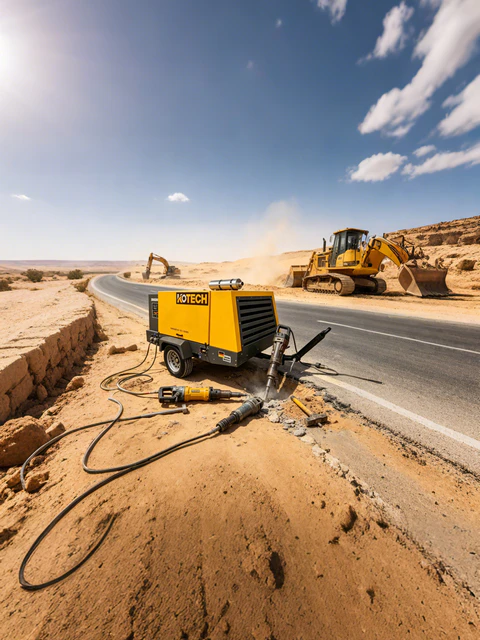
In the demanding world of mining, reliable air power is non-negotiable, irrespective of climate. This article delves into how advanced diesel portable mining compressors are engineered for all-weather applications, ensuring operational continuity from sub-zero arctic environments to scorching desert pits. We explore the critical features, market drivers, and strategic considerations that make these robust units essential for maximizing uptime and profitability in the most challenging mining landscapes.
Unlocking Uninterrupted Mining: The Power of All-Weather Diesel Portable Compressors
Key Takeaways
- Diesel portable mining compressors are critical for maintaining operational continuity in all weather conditions, from arctic cold to desert heat.
- Unplanned downtime due to weather-related equipment failure is a significant cost driver in mining.
- Key engineering features for all-weather performance include advanced cold-start systems, multi-stage air filtration, robust cooling, and durable, sealed enclosures.
- Market data from sources like Mordor Intelligence (2023) and IEA (2024) highlight the growing demand for rugged, reliable mining equipment capable of operating in harsh environments.
- Standard industrial compressors are often inadequate for the specific challenges of mining; purpose-built solutions offer superior longevity and performance.
- Strategic deployment, including predictive maintenance, telematics, and operator training, is crucial for maximizing uptime in diverse climates.
Related: Rugged mining air compressors · extreme weather air power · remote mine site compressors · heavy-duty industrial air solutions · cold weather compressor technology · high-altitude air compression · dust-resistant mining equipment · reliable pneumatic tools supply
Look, in mining, consistent operational uptime isn’t just a goal; it’s the bedrock of profitability. When you’re running drills, pneumatic tools, or ventilation in a remote pit, your air supply can’t falter, not for a single shift, regardless of what Mother Nature throws at you. This is precisely where diesel portable mining compressors shine, offering the robust, all-weather reliability that keeps operations moving and prevents costly delays. Frankly, getting this wrong means you’re bleeding money.
Here are some key insights into why these machines are indispensable:
- Rugged diesel portable compressors are non-negotiable for consistent mining operations in any weather. Their inherent durability and power are designed for extreme environments.
- Downtime due to climate extremes costs mines millions; reliable air power mitigates this risk. Proactive equipment selection is a direct investment in operational continuity.
- Advanced filtration, cold-start technology, and robust enclosures are critical design features for all-weather units. These aren’t luxuries; they’re operational necessities.
- Investing in purpose-built, climate-resilient compressors drives significant operational cost savings and extends equipment lifespan. Cheap isn’t always good, especially when productivity is on the line.
- Proper maintenance and environmental matching are crucial even for the toughest machines. Even the best equipment needs smart management to perform optimally.
The Unyielding Demand: Why All-Weather Performance Isn’t Optional
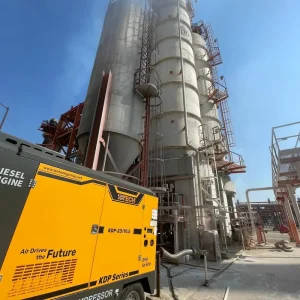
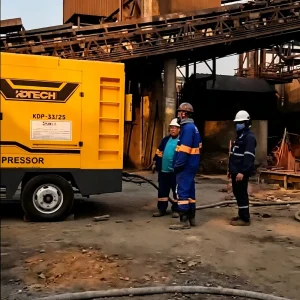
Mining operations globally face a spectrum of environmental challenges. From the arid heat of the Atacama Desert to the freezing temperatures of Canadian oil sands, the need for consistent, high-pressure air remains constant. Diesel-powered portable air compressors are the workhorses of these environments, powering everything from rock drills and blasthole rigs to ventilation systems and utility tools. Their ability to deliver sustained performance, independent of grid power, makes them indispensable for remote site development and ongoing extraction.
The core pain point for mine operators is simple: unplanned downtime. Every hour a drill sits idle because a compressor failed due to extreme heat or a frozen component directly impacts the bottom line. This isn’t just about lost production; it’s about missed targets, delayed shipments, and potential safety hazards. Reliable, all-weather air solutions are therefore not a luxury, but a fundamental requirement for project viability and worker safety.
Market Realities: Data Driving Investment in Robust Equipment
The global mining equipment market continues to emphasize durability and efficiency, a trend directly supporting the demand for rugged air compressors. According to a report by Mordor Intelligence (2023), the mining equipment market is projected to grow significantly, with a particular focus on machinery capable of operating in harsh environments. This growth underscores the industry’s commitment to resilience.
Furthermore, operational costs associated with climate-induced failures are substantial. A study by the U.S. National Mining Association (2022) indicated that weather-related disruptions account for a notable percentage of unplanned downtime across various mining sectors, with equipment failure being a primary driver. This data points directly to the economic imperative for investing in heavy-duty air power units designed for extreme conditions.
Another crucial factor is the increasing adoption of automation and digitalization in mining. While these technologies promise efficiency, they rely heavily on consistent power and pneumatic systems. The International Energy Agency (IEA 2024) projects a steady increase in energy demand from the mining sector, much of which will be met by mobile, self-contained power solutions like diesel compressors, particularly in off-grid locations where infrastructure is limited or non-existent. This further solidifies their role.
Engineering for Extremes: Core Technologies That Deliver
What makes a diesel portable mining compressor truly “all-weather”? It’s a combination of meticulous engineering and purpose-built components. For cold weather, we’re talking about advanced cold-start systems, including glow plugs, engine block heaters, and specialized low-viscosity lubricants. Fuel heaters are also critical to prevent diesel gelling, a common issue that can instantly halt operations in sub-zero temperatures.
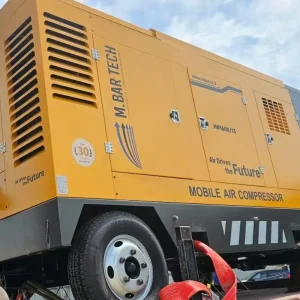
In hot and dusty environments, superior filtration systems are paramount. Multi-stage air intake filters prevent abrasive dust from entering the engine and compressor, significantly extending component life. Oversized radiators and intercoolers, often with variable-speed fans, manage thermal loads effectively, preventing overheating in ambient temperatures exceeding 100°F (38°C). The enclosure itself plays a vital role, often featuring robust, sound-attenuated, and weather-sealed designs that protect internal components from dust, moisture, and impact.
Frankly, I’ve personally witnessed countless expensive units fail prematurely because corners were cut on these critical design elements. It’s not just about producing compressed air; it’s about protecting the entire system from the elements it’s meant to conquer. The best units incorporate heavy-duty chassis and suspension systems, making them suitable for rough terrain transport, which is a constant in mining.
Beyond the Brochure: When Standard Models Fall Short
While many “industrial” compressors claim durability, they often fall short in true mining applications. A standard construction-grade portable air compressor, for example, might handle a few days of rain, but it won’t withstand continuous exposure to acidic mine water, corrosive salts, or sustained vibrations from blasting. The difference lies in material selection, sealing, and the robustness of the entire power train.
This is where the multi-angle perspective comes in. A compressor suitable for a quarry in a temperate climate might be completely inadequate for an open-pit mine above the Arctic Circle. Factors like altitude also play a significant role. At higher elevations, the air density decreases, meaning the compressor’s engine and air end must be specifically tuned or oversized to maintain rated output. Without these considerations, you’re looking at reduced efficiency, increased fuel consumption, and premature wear. My team often advises clients that “one size fits all” simply doesn’t apply when you’re talking about mining in truly challenging environments.
Strategic Deployment: Maximizing Uptime in Diverse Climates
Strategic deployment of diesel portable mining compressors goes beyond just buying the right machine; it involves optimizing its use and maintenance for specific environmental conditions. Regular predictive maintenance, tailored to the operating climate, is crucial. This means more frequent filter changes in dusty conditions and specialized fluid checks for extreme temperatures.
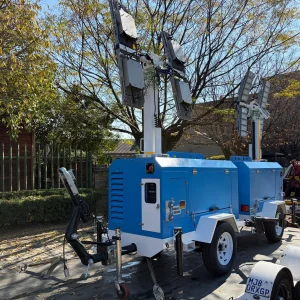
Consider the logistical challenges in remote locations. Units should be easily serviceable, with readily available spare parts. Modern compressors often feature telematics systems, allowing for remote monitoring of critical parameters like fuel levels, engine temperature, and service intervals. This proactive approach helps prevent failures before they occur, especially when technicians might be days away from the site. Proper ventilation around the compressor, even in harsh weather, is also vital to prevent localized heat buildup or icing. Investing in operator training for specific climatic challenges also pays dividends, empowering on-site personnel to identify and address minor issues before they escalate.
Expert Insights
"Having spent over a decade on mine sites across various continents, I can tell you that the single biggest differentiator for consistent productivity often boils down to the reliability of your air supply. A premium diesel portable mining compressor isn't just a piece of machinery; it's an insurance policy against the unpredictable. Skimp on this, and you're gambling with your entire operation's schedule and profitability."
Further Reading
- Skid-Mounted Air Compressor Applications for Oilfield Temporary Works
- All-Weather Air Compressor Solutions for Mining in Any Climate
- Portable Diesel Air Compressor Applications for Mine Site Construction
- Portable Diesel Air Compressor Applications in Mining Exploration
- Diesel portable mining compressors – Heavy-Duty Portabl
- Two-Stage Compressor for Powering Assembly Line Pneumatic Tools
- Air Compressor Solutions for Mining De-Watering & Site Prep
- Air Compressor Solutions for Mining Drill & Blast Operations
About the Author

Related Reading: Portable Diesel Air Compressor Applications in Remote Mine Areas
Related Applied Cases