Mastering Air Compression in Extreme O&G Environments
Deploying air compressors in the oil and gas sector, especially in extreme weather, isn’t just about picking a machine; it’s about engineering resilience. The stakes are incredibly high, and an under-spec’d or poorly maintained system will inevitably fail when you need it most. The core challenge is simple: maintaining consistent, dry, and clean compressed air delivery in conditions that actively try to break down every component.
Key Insights for Extreme Weather Air Compressor Reliability:
- Material Science is Paramount: Standard components often fail. Specify alloys, seals, and coatings designed for extreme temperatures and corrosive atmospheres from day one.
- Integrated Environmental Control: Enclosures, heaters, coolers, and advanced dehydration systems aren’t optional; they’re integral to uptime.
- Predictive Maintenance is Non-Negotiable: Real-time monitoring and data analytics are crucial for anticipating failures before they occur in remote, harsh locations.
- Redundancy and Modularity Pay Dividends: Design systems with built-in backup and easy-to-swap modules to minimize downtime during critical operations.
- Vendor Expertise Matters: Partner with manufacturers who truly understand O&G and extreme weather, not just general industrial applications.
The Unforgiving Reality: Why Extreme Weather Breaks Compressors
From the scorching deserts of the Middle East to the frozen expanses of the Arctic, and the corrosive salt spray of offshore platforms, air compressors face unique stressors. In extreme cold, lubricants thicken, metals become brittle, and moisture freezes in lines, valves, and instruments. Conversely, intense heat degrades seals, overheats motors, and reduces compressor efficiency. Humidity, often overlooked, leads to condensation, rust, and microbial growth, regardless of temperature.
Operators frequently grapple with issues like frozen condensate drains, leading to water ingress into sensitive pneumatic instrumentation. Motor burnout is common in high temperatures if cooling systems are inadequate. Furthermore, abrasive dust in desert environments can rapidly wear down air filters and internal compressor components, requiring specialized filtration and robust enclosures. These aren’t minor inconveniences; they directly impact safety and production schedules.
Data-Driven Decisions: The Cost of Underpreparedness
The financial impact of air compressor failures in extreme environments is staggering.
Beyond direct financial losses, energy efficiency is a major concern.
Furthermore, the market for specialized industrial air compressors designed for harsh environments is expanding. This trend underscores a growing industry recognition of the need for purpose-built solutions.
Engineering for Extremes: Core Solutions and Technologies
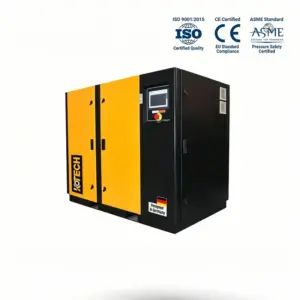
Choosing the right compressor type is foundational. Rotary screw compressors are prevalent due to their continuous air delivery and relative simplicity, but reciprocating compressors can be more robust for high-pressure, intermittent demands. For extreme cold, consider models with integrated heating packages for oil sumps and control cabinets. For high heat, oversized coolers, VSD (Variable Speed Drive) technology, and ambient air pre-cooling systems are essential.
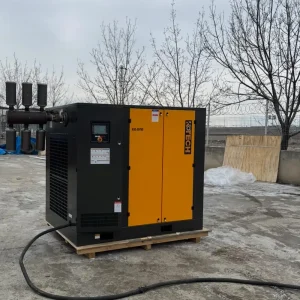
Enclosures and Insulation: A well-designed enclosure is your first line of defense. In arctic zones, they must be fully insulated and often heated with glycol loops or electric heat tracing to maintain optimal operating temperatures. In desert regions, forced-air ventilation with dust filtration, sometimes even active cooling, is crucial to prevent overheating. NEMA 4X or ATEX-certified enclosures are standard for hazardous O&G environments, protecting against moisture, dust, and explosive atmospheres.
Air Treatment Systems: This is where many systems falter. In cold climates, desiccant dryers are non-negotiable to achieve pressure dew points as low as -40°F (-40°C) or even -100°F (-73°C) to prevent ice formation. For hot, humid areas, refrigerated dryers might suffice, but often a combination with desiccant or specialized membrane dryers is required. Robust filtration for particulates, oil aerosols, and coalescing filters are critical to protect downstream instrumentation and processes.
Material Selection: Standard carbon steel can embrittle in extreme cold. Stainless steel or low-temperature alloys are often specified for piping, valves, and pressure vessels. Seals and gaskets must be rated for the full operating temperature range – Viton for high heat, silicone or specific elastomers for extreme cold.
Beyond the Blueprint: Operational Best Practices
Even with the best equipment, operational practices determine long-term success. Regular, proactive maintenance schedules are critical. This includes frequent filter changes, oil analysis, and checking for leaks. In extreme cold, proper winterization procedures, including draining condensate lines and checking heating elements, are paramount before the deep freeze sets in. In hot environments, monitoring cooling system performance and ensuring adequate airflow around the compressor package is key.
Remote Monitoring and Diagnostics: For geographically dispersed and remote O&G sites, robust SCADA systems and IoT-enabled sensors provide real-time data on pressure, temperature, dew point, vibration, and energy consumption. This allows for predictive maintenance, alerting operators to potential issues before they become catastrophic failures.
Personnel Training: It sounds basic, but skilled technicians who understand the specific challenges of extreme weather operations are invaluable. They need to be trained not just on the compressor itself, but on the integrated environmental controls, specialized lubricants, and safety protocols for working in hazardous conditions.
When Standard Won’t Cut It: Limitations and Edge Cases
While the solutions above cover most scenarios, there are boundary conditions where even the most robust industrial air compressors struggle. For instance, in applications requiring extremely high-purity, oil-free air for sensitive analytical instruments in an arctic environment, a standard oil-lubricated screw compressor, even with extensive filtration, might not be suitable. Here, oil-free scroll or centrifugal compressors, housed within a climate-controlled shelter, become the only viable option, despite their higher capital cost.
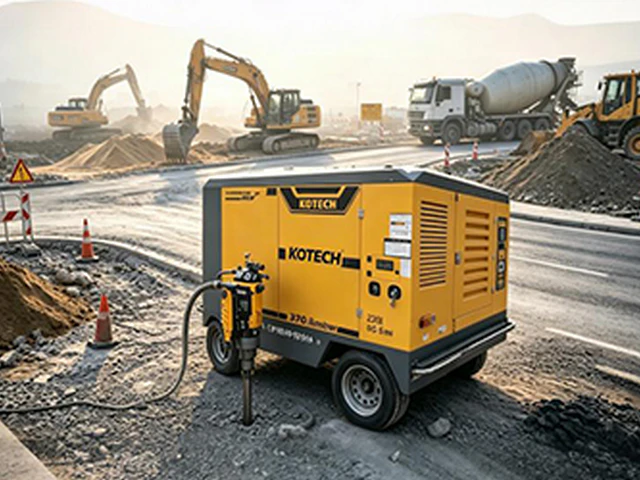
Another example is intermittent, high-volume air demands in extremely remote locations without reliable power grids. A large, continuously running electric compressor might be impractical. In such cases, diesel-driven portable air compressors, specifically designed for cold starts and harsh conditions, might be the only practical solution, even with their higher fuel consumption and emissions. This highlights that a “one-size-fits-all” approach simply does not apply in O&G extreme weather applications.
Future-Proofing Your Fleet: Emerging Trends
The industry is moving towards greater integration and intelligence. We’re seeing more manufacturers offering “smart” compressors with embedded AI for predictive analytics, capable of self-diagnosing issues and even ordering replacement parts automatically. Energy recovery systems, capturing waste heat from compressors to preheat process fluids or generate power, are also gaining traction, particularly in regions with high energy costs.
Modularity and standardization are also growing trends. Companies are seeking containerized compressor packages that can be rapidly deployed, moved, and reconfigured, reducing on-site installation time and complexity, especially valuable in temporary or evolving field operations. The drive towards electrification and reducing on-site emissions will also push for more efficient electric compressors, even in remote locations where power generation can be a challenge.