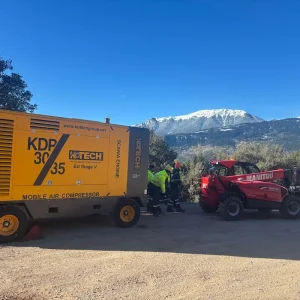

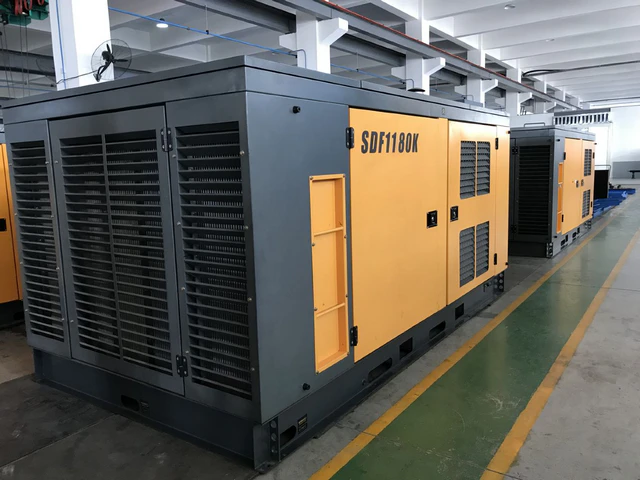
For mining operations, especially in blast hole drilling, the choice of a heavy-duty portable diesel compressor isn't just about power; it's about reliability, efficiency, and ultimately, profitability. This guide, from an expert with over a decade in the field, cuts through the noise to deliver actionable insights on selecting, operating, and maintaining these crucial machines to maximize uptime and productivity in the toughest environments.
Optimizing Blast Hole Operations with Advanced Portable Diesel Compressors
Key Takeaways
- Heavy-duty portable diesel compressors are indispensable for efficient blast hole drilling in mining.
- Modern compressors offer significant fuel efficiency gains and advanced telematics for proactive maintenance.
- Unplanned downtime in mining due to compressor failure is extremely costly, emphasizing the need for reliability.
- Selecting the right compressor requires evaluating TCO, matching air output to drill requirements, and ensuring robust dealer support.
- While essential for large-scale operations, these units might be overkill for smaller tasks or unsuitable for specific underground environments.
Related: Blast hole drilling air compressors · diesel air compressors for mining · portable mining compressors · rock drilling air power · surface mining equipment · compressor reliability in mining · fuel efficiency mining compressors · remote monitoring mining equipment
When you’re running a surface mine, especially one focused on blast hole drilling, the air compressor isn’t just another piece of equipment—it’s the heart of your operation. Without consistent, high-pressure air, those drills sit idle, and every minute of downtime costs serious money. Heavy-duty portable diesel compressors are indispensable for delivering the relentless power needed to penetrate the toughest rock formations efficiently.
Key Insights:
- Reliability is Paramount: Unscheduled downtime for a compressor can halt an entire blast hole drilling sequence, leading to significant operational losses.
- Fuel Efficiency Drives Profitability: With fluctuating diesel prices, modern compressors offering advanced fuel management systems are essential for controlling operational costs.
- Advanced Telematics Enhance Uptime: Remote monitoring and predictive maintenance capabilities are no longer luxuries but necessities for proactive management.
- Matching Compressor to Drill is Critical: Optimizing CFM and PSI output to the specific drill rig and rock type prevents energy waste and maximizes drilling speed.
- Total Cost of Ownership (TCO) Matters: Initial purchase price is only one factor; consider maintenance, parts availability, and resale value over the machine’s lifespan.
The Unyielding Demand for Power at the Rock Face
In my twelve years in this industry, I’ve seen countless scenarios where the wrong compressor choice crippled a mining project. Blast hole drilling demands a specific kind of brute force: high CFM (Cubic Feet per Minute) to clear cuttings rapidly and high PSI (Pounds per Square Inch) to drive the hammer effectively. This isn’t a job for just any portable compressor; it requires a heavy-duty unit engineered to withstand extreme temperatures, dust, vibration, and continuous operation.
Operators frequently grapple with inadequate air supply, leading to slower drilling rates and increased wear on drill bits. We’re talking about machines that often run 10-12 hours a day, sometimes even 24/7 in multi-shift operations. The pain points are clear: unreliable starting in cold weather, excessive fuel consumption, and frequent breakdowns that eat into tight production schedules. A robust, purpose-built diesel air compressor mitigates these issues, ensuring your drill rig gets the consistent air it needs, regardless of the conditions.
Shifting Gears: Data-Driven Performance & Efficiency
The mining sector is under constant pressure to improve efficiency and reduce environmental impact. Modern heavy-duty portable diesel compressors are responding with significant technological advancements. We’re no longer just pushing air; we’re doing it smarter.
According to a Mordor Intelligence report from 2023, the global mining equipment market is projected to grow significantly, with air compressors being a cornerstone component. This growth isn’t just about volume; it’s about sophisticated, fuel-efficient models. For instance, new-generation variable speed drive (VSD) compressors can offer up to 15-20% fuel savings compared to older fixed-speed models in typical mining applications, a critical factor when diesel prices remain volatile, as observed throughout 2024 by the U.S. Energy Information Administration (EIA). This isn’t just marketing hype; these savings directly impact your bottom line.
Consider the cost of downtime. A study by Ernst & Young in 2022 highlighted that unplanned downtime in mining can cost anywhere from $50,000 to $250,000 per hour, depending on the scale of the operation. That figure alone justifies investing in a compressor known for its reliability and advanced diagnostics. These aren’t just numbers on a spreadsheet; they represent real-world operational realities that can make or break a project’s profitability.
Beyond Raw Power: Smart Features and Operational Resilience
Today’s heavy-duty portable diesel compressors for blast holes are more than just engines and air ends. They integrate advanced control systems and telematics that were once exclusive to larger, stationary industrial compressors. Remote monitoring, for example, allows maintenance teams to track performance metrics like fuel consumption, engine load, and air output from a central location. This proactive approach to maintenance means you can often identify potential issues before they escalate into costly failures.
Features like intelligent pressure and flow control automatically adjust compressor output to match the drill’s demand, preventing unnecessary energy consumption. Robust chassis design, heavy-duty filtration systems, and cold-weather starting packages are standard on top-tier units, extending operational windows and reducing maintenance frequency. Old-school operators might scoff at the ‘fancy electronics,’ but honestly, these features are what keep modern mines running lean and mean. They’re not just bells and whistles; they’re essential tools for maximizing uptime and minimizing operational headaches in remote, challenging environments.
When is ‘Heavy-Duty’ Too Much?
While heavy-duty portable diesel compressors are the go-to for large-scale blast hole drilling, it’s important to recognize their limitations or situations where alternatives might be more suitable. They are typically not the best fit for very small-scale exploration drilling that requires minimal air flow or for specialized underground mining where ventilation and exhaust fumes are major concerns. In these cases, smaller electric compressors (if power infrastructure is available) or even specialized compact units might be more appropriate. You wouldn’t use a sledgehammer to crack a nut, right? Similarly, over-specifying a compressor can lead to unnecessary capital expenditure and higher operating costs due to under-utilization. My point is, always match the tool to the task, not just the biggest tool you can find.
Practical Strategies for Procurement and Maintenance
Selecting the right heavy-duty portable diesel compressor for your blast hole operation involves more than just looking at the price tag. Here are some actionable strategies:
- Match CFM/PSI to Drill Rig: Understand the exact air requirements of your drill rigs. Oversizing wastes fuel, undersizing reduces drilling efficiency. Consult your drill manufacturer’s specifications.
- Evaluate Total Cost of Ownership (TCO): Beyond the purchase price, consider fuel efficiency, maintenance intervals, cost of spare parts, expected lifespan, and resale value. A cheaper unit might cost you more in the long run.
- Prioritize Dealer Support & Service Network: In remote mining locations, quick access to parts and qualified technicians is non-negotiable. A strong dealer network minimizes downtime.
- Assess Environmental and Operational Conditions: Does your site experience extreme cold or heat? Is dust a major issue? Select a compressor with appropriate cold-weather kits, heavy-duty air filters, and robust enclosures.
- Invest in Operator Training: Even the best compressor can be misused. Ensure your operators are properly trained on efficient operation, daily checks, and basic troubleshooting to prevent minor issues from becoming major problems.
- Leverage Telematics: If available, utilize remote monitoring for predictive maintenance. This allows you to schedule maintenance proactively during planned downtime, rather than reactively when a breakdown occurs.
By focusing on these practical aspects, mining operations can ensure they have the most reliable and efficient air power solution for their blast hole drilling needs, ultimately contributing to a more productive and profitable extraction process. It’s about smart choices, not just brute force.
Expert Insights
"From my vantage point, the evolution of heavy-duty portable diesel compressors over the last decade has been nothing short of transformative for the mining sector. It's no longer just about raw power; it's about intelligent power delivery, minimizing environmental footprint, and maximizing every dollar spent on fuel. Operators who embrace these advancements are the ones seeing tangible improvements in their bottom line and operational efficiency."
Further Reading
- Low-Noise Air Compressors for Urban Oil & Gas Operations
- Low-Noise Mining Air Compressors for Near-Settlement Mining
- How Two-Stage Compressors Support Construction Site Operations
- Air Compressors for Mining: Reliable Power for Critical Tasks
- Heavy-Duty Portable Diesel Compressors, Mining Blast Holes – Portable Diesel Ai
- Air Compressor Solutions for Gas Pipeline Leak Testing & Repairs
- Dust-Resistant Mining Air Compressors for Open-Pit Environments
- Two-Stage Air Compressor Applications in Oil and Gas Drilling
About the Author