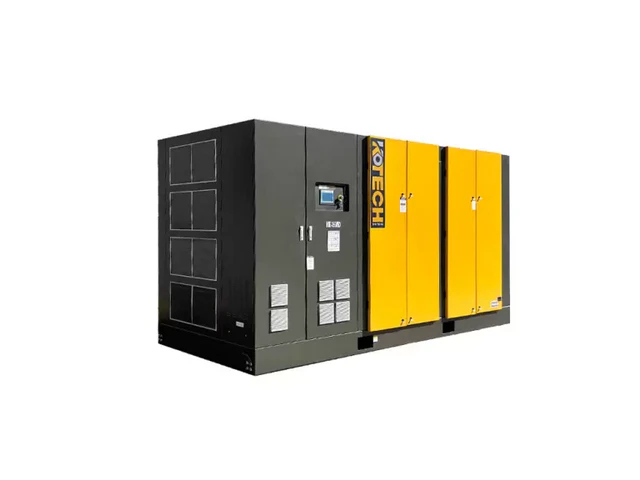
Unlocking Performance: Multi-Stage Compression in Demanding Mining Environments
When you’re pushing air into the hundreds of PSI for deep drilling, specialized pneumatic tools, or complex mine dewatering, standard compressors just won’t cut it. Multi-stage mining air compressors for ultra-high pressure tasks aren’t a luxury; they’re the backbone of efficient, safe, and profitable deep mining operations. We’re talking about pressures that demand engineering precision and unwavering reliability.
The Indispensable Role of Multi-Stage Compression in Ultra-High Pressure Mining
Let’s be blunt: if your mining operation requires air pressures exceeding 150 PSI, especially for continuous, heavy-duty applications, a single-stage compressor is a false economy. It’s simply not designed for the sustained thermal and mechanical stress that ultra-high pressures inflict. Multi-stage systems, by contrast, compress air incrementally, cooling it between each stage. This intercooling significantly reduces the work required for compression and manages heat build-up, which is a major culprit in equipment wear and energy waste.
They focus solely on the initial capital expenditure. That’s a short-sighted view that costs millions over the equipment’s lifecycle.
Unpacking the Efficiency Advantage
The efficiency gains from multi-stage designs aren’t theoretical; they’re measurable and substantial. By cooling the air between compression stages, the air density increases, meaning less work is needed to compress it further. This thermodynamic advantage translates directly into lower energy consumption. For deep hard rock mining, where energy costs can represent a significant portion of operational expenses, this isn’t just a minor detail.
This directly impacts your bottom line, especially with fluctuating energy prices.
Beyond Efficiency: Reliability and Safety in Demanding Environments
Mining environments are inherently harsh. Dust, moisture, extreme temperatures, and continuous operation push equipment to its limits. Multi-stage compressors are built to withstand these conditions for ultra-high pressure delivery, offering a level of reliability that single-stage units cannot match.
Durability Under Pressure
The reduced operating temperatures within a multi-stage system translate to less thermal stress on components like pistons, valves, and cylinders. This extends the lifespan of critical parts and reduces the frequency of maintenance. In a remote mine site, where skilled technicians and spare parts might be days away, this reliability is priceless. Less heat also means less lubricant breakdown, contributing to cleaner air and longer component life.
Consider the impact of downtime. A reliable air compressor system is a cornerstone of preventing such costly interruptions.
Enhanced Safety Protocols
Safety is paramount in mining. High-pressure air systems carry inherent risks, and equipment failure can have catastrophic consequences. Multi-stage compressors, with their robust design and integrated safety features like pressure relief valves and temperature sensors at each stage, provide an added layer of protection. Their ability to handle ultra-high pressures more stably minimizes the risk of over-pressurization or component failure, safeguarding personnel and assets.
It’s not just about the compressor itself. The quality of the compressed air also impacts the safety and performance of downstream pneumatic tools. Multi-stage systems often incorporate more effective moisture separators and filters, delivering drier, cleaner air, which prevents corrosion and extends the life of pneumatic equipment, reducing tool-related failures and potential hazards.
Choosing the Right Multi-Stage System: Critical Considerations
Selecting the optimal multi-stage mining air compressor for ultra-high pressure tasks requires a deep understanding of your specific operational needs. It’s not a one-size-fits-all situation.
Matching Capacity and Pressure Requirements
First, accurately assess your required airflow (CFM or m³/min) and the maximum pressure (PSI or Bar) needed at the point of use. Account for pressure drops across long piping runs, filters, and dryers. Oversizing leads to inefficient operation and higher energy consumption. Undersizing results in inadequate tool performance and potential system overloads. This calculation is where many projects go wrong, honestly.
Reciprocating vs. Rotary Screw Multi-Stage
For ultra-high pressures (typically above 200 PSI), reciprocating (piston) multi-stage compressors are often the workhorse. They are inherently designed for higher pressures and can deliver excellent efficiency in specific ranges. Rotary screw multi-stage compressors exist, particularly for very high flow rates at somewhat lower ultra-high pressures (e.g., 175-250 PSI), offering continuous, pulsation-free air. Each has its niche, and the choice depends heavily on your specific application profile and budget.
Environmental Factors and Durability
Mining environments demand rugged construction. Look for features like heavy-duty enclosures, robust cooling systems, and advanced filtration to protect against dust and moisture ingress. Materials resistant to corrosive elements common in certain mine types are also crucial. A system designed for general industrial use won’t last long underground.
Maintenance and Serviceability
Consider the ease of maintenance. Are critical components easily accessible? What’s the availability of spare parts and skilled service technicians in your region? A compressor is only as good as its ability to be maintained effectively. Predictive maintenance capabilities, often integrated with modern control systems, can also significantly improve uptime and reduce unexpected failures.
The Financial Argument: ROI and Total Cost of Ownership
While the initial investment for a multi-stage compressor can be higher than a single-stage unit, the Total Cost of Ownership (TCO) almost always favors the multi-stage system for ultra-high pressure applications. The energy savings, extended equipment life, and reduced downtime quickly offset the upfront cost.
Investing in an energy-efficient multi-stage unit directly tackles the largest cost driver.
Future Trends: Smart Compression and Remote Monitoring
The mining industry is rapidly embracing digitalization. Multi-stage air compressors are no exception. Modern systems come equipped with advanced controls, IoT connectivity, and remote monitoring capabilities. These features allow operators to track performance in real-time, identify potential issues before they become critical, and optimize energy usage. Predictive maintenance algorithms, powered by machine learning, can forecast component failures, enabling proactive servicing and further reducing downtime. This level of insight wasn’t available a decade ago, and it’s transformative for managing complex underground operations.
Conclusion: Strategic Investment for Performance
For ultra-high pressure tasks in mining, multi-stage air compressors are the definitive choice. They offer a compelling combination of energy efficiency, operational reliability, enhanced safety, and lower long-term costs. Prioritize a thorough assessment of your specific needs, consider the TCO over initial CAPEX, and leverage modern technologies for optimal performance. Making the right choice here isn’t just about buying a piece of equipment; it’s about investing in the sustained productivity and safety of your entire mining operation.