Selecting the Right Compact Air Compressor for Your Mine's Tight Spots
Working in tight and confined mining spaces isn’t just a challenge; it’s a constant battle against physics and logistics. Frankly, if you’re still wrestling oversized, inefficient air compressors into narrow drifts or low-seam sections, you’re bleeding operational efficiency and risking safety. The core truth is simple: effective compressed air in these environments hinges on compact, purpose-built machinery that delivers power without the bulk.
Understanding the Core Challenge: Why Compact Matters
The demand for compact mining air compressors isn’t a fad; it’s a direct response to evolving mining methodologies and geological realities. As easily accessible ore bodies deplete, operations delve deeper and into more complex, narrower veins. This shift necessitates equipment that can navigate restrictive tunnels, low headings, and tight turns without compromising air delivery or safety.
Moving a standard compressor underground is one thing; positioning it precisely in a 3-meter wide drift for face drilling is another entirely. This often leads to bottlenecks, increased labor, and extended setup times, directly impacting daily production targets.
Moreover, ventilation and heat management are paramount. A bulky diesel compressor not only consumes valuable space but also generates substantial heat and exhaust, demanding more robust and costly ventilation systems. This is where the inherent advantages of smaller, often electric, units become undeniable.
Data-Driven Decisions: The Impact of Compact Solutions
Let’s talk numbers because, in mining, every percentage point counts. The shift towards smaller, more efficient mining equipment isn’t just about convenience; it’s about the bottom line and worker safety.
Furthermore, safety metrics improve. The Mine Safety and Health Administration (MSHA) 2022 data indicates a measurable decrease in equipment-related incidents in confined spaces when appropriately sized machinery is used. This isn’t just about compliance; it’s about protecting your most valuable asset: your workforce. Less manual handling of heavy equipment, better visibility, and reduced exhaust fumes contribute to a safer working environment, which ultimately reduces liabilities and boosts morale.
Another crucial aspect is maintenance. Compact units are often designed with accessibility in mind, even within their smaller frames. This thoughtful engineering means quicker routine checks and repairs, leading to less downtime.
Engineering for Extremes: Key Features to Look For
When evaluating compact mining air compressors for these challenging environments, don’t just look at the CFM and PSI. Dig deeper into the specific engineering that makes a unit truly “mine-spec.”
Low-Profile Design & Mobility
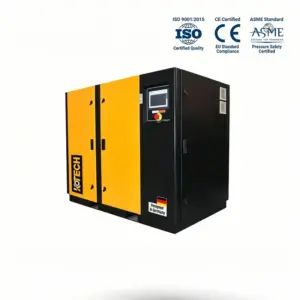
This is often the first, and most obvious, requirement. A true compact unit will have a low center of gravity and a narrow footprint, designed to fit through tight clearances. Think about integrated lifting points, robust skid mounts, or even self-propelled options for easier repositioning.
Power-to-Weight Ratio
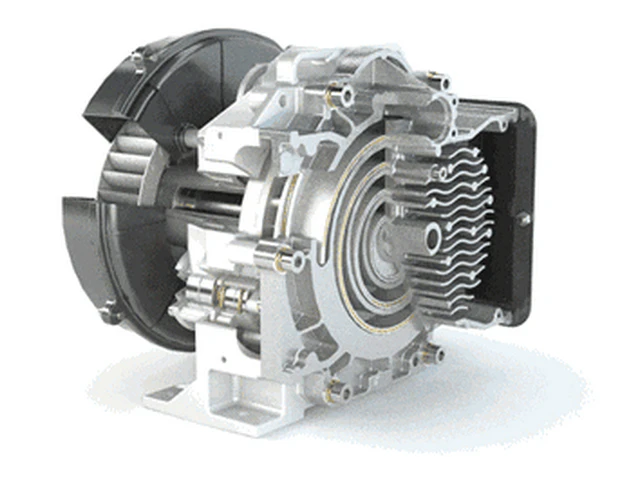
You need maximum air output from the smallest, lightest package possible. This directly impacts transport costs, both surface-to-underground and within the mine itself. High-efficiency rotary screw elements are common here, optimized for consistent performance under varying loads.
Robustness & Environmental Sealing
Underground mines are harsh. Dust, moisture, vibrations, and temperature fluctuations are standard. Your compressor needs heavy-duty enclosures, superior air intake filtration (multi-stage systems are a plus), and sealed electrical components. Corrosion resistance is also non-negotiable.
Electric vs. Diesel: A Critical Choice
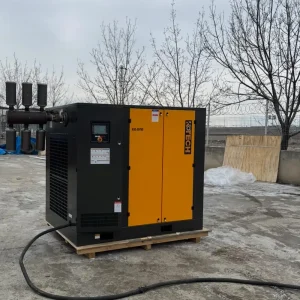
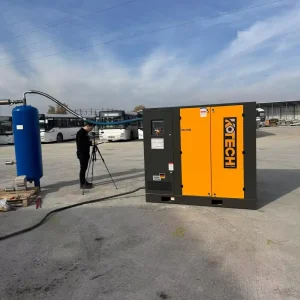
While diesel still dominates in some applications, electric compact compressors are gaining significant traction for underground use. They eliminate exhaust fumes, reduce heat generation, lower noise levels, and often have lower operating costs due to cheaper electricity compared to diesel fuel. However, they require a reliable power infrastructure, which isn’t always available in exploratory or extremely remote sections.
Safety Features & Certifications
This includes emergency stop buttons, automatic shutdown systems for overheating or low oil pressure, and spark arrestors for diesel units. For gassy mines, ATEX certification is a must. Enhanced lighting and reflective markings also contribute to overall safety in dimly lit tunnels.
The Boundary Condition: When Compact Isn’t the Only Answer
While compact compressors offer immense advantages, it’s important to acknowledge their limitations. They are not a universal panacea. For very large-scale excavations requiring massive air volumes for multiple simultaneous operations – think jumbo drills, large production drills, and extensive blasting – a single compact unit may simply not provide enough sustained output. In these scenarios, a centralized, larger surface compressor station with a robust distribution network might be more efficient, especially if the air demand is constant and widespread.
Similarly, for surface mining operations or open-pit mines where space isn’t a constraint, the premium paid for ultra-compact design might not yield a proportional return on investment. The focus there shifts more towards raw power, fuel efficiency over vast distances, and extreme weather resilience, where larger, more conventional portable compressors often excel. Only when direct, localized air delivery in highly restricted zones is the primary concern do compact units truly shine.
Practical Implementation & Operational Best Practices
Deploying compact mining air compressors effectively requires more than just buying the right unit. It involves strategic planning and adherence to best practices.
- Site-Specific Assessment: Before selection, conduct a thorough audit of your tightest access points, typical working headings, and power availability. Understand the exact dimensions and required air volumes.
- Maintenance Scheduling: Even compact units need love. Establish a rigorous preventative maintenance schedule. Ensure critical spares are readily available underground to minimize downtime.
- Ventilation Planning: Even with electric units, proper ventilation remains crucial for overall air quality and heat dissipation from other equipment. For diesel compacts, ensure your ventilation system can adequately manage the emissions.
- Operator Training: Equip your crew with comprehensive training on the specific compact compressor models, including safe operation, basic troubleshooting, and emergency procedures.
- Remote Monitoring & Telematics: Leverage modern technology for real-time performance monitoring. This allows for predictive maintenance and immediate alerts for potential issues, even when the compressor is deep underground.
It’s about integrating the equipment into a holistic operational strategy.
Future Trends: What’s Next for Compact Mining Air Compressors?
The industry is not standing still. We’re seeing a clear trend towards further electrification, automation, and enhanced connectivity. Battery-electric compact compressors are emerging, offering even greater flexibility by removing the tether of power cables, albeit with current limitations on run-time and charging infrastructure. Integration with mine-wide IoT systems for predictive maintenance and remote control will become standard. Expect smaller, lighter, and smarter units that can self-diagnose and even autonomously reposition within certain operational parameters. It’s an exciting time to be in this space.