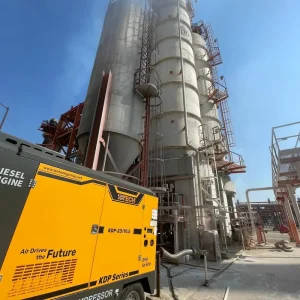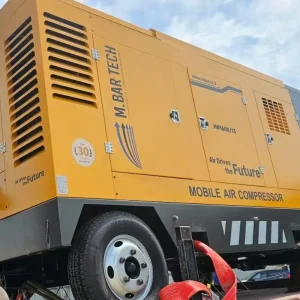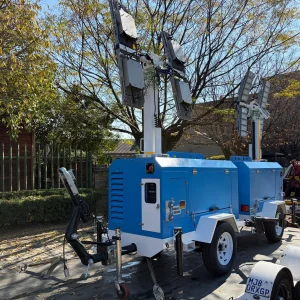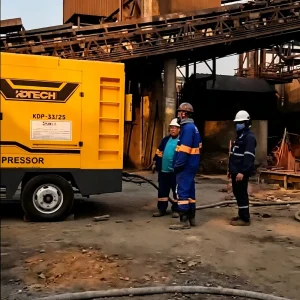

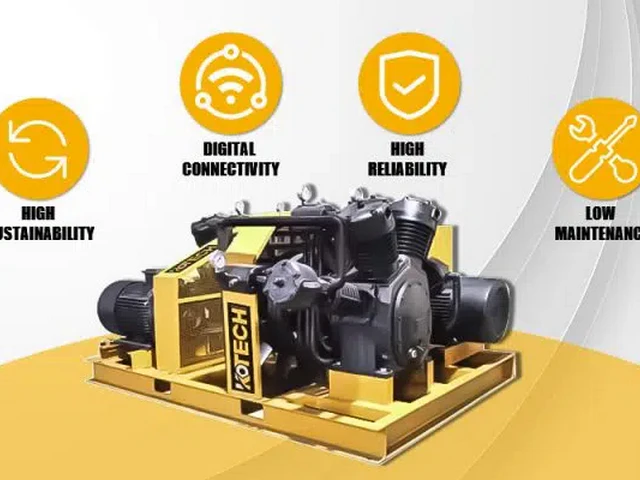
Continuous mining operations demand uncompromising reliability from their air compressor systems. This article provides a veteran's perspective on selecting, deploying, and maintaining heavy-duty solutions engineered for 24/7 use, focusing on critical performance metrics, energy savings, and the integration of modern predictive technologies to minimize costly downtime.
Unlocking Uninterrupted Mining: The Right Air Compressor Strategy
Key Takeaways
- Mining compressors must withstand extreme conditions for continuous operation.
- Energy efficiency is a key operational cost driver; VSDs and heat recovery are critical.
- Predictive maintenance using AI and IoT prevents costly unplanned downtime.
- Rotary screw compressors are generally preferred for rugged, variable mining loads.
- Total Cost of Ownership (TCO) is the definitive metric for investment decisions.
Related: Industrial air compressors for mines · continuous operation compressed air · rugged mining air systems · mine site air supply reliability · energy-efficient mining compressors · predictive maintenance for mining equipment · rotary screw compressors mining · centrifugal compressors heavy industry · total cost of ownership mining · remote monitoring air compressors.
Heavy-Duty Mining Air Compressor Solutions for 24/7 Use
Mining isn’t a 9-to-5 job; it’s a relentless, around-the-clock endeavor where every minute of downtime costs serious money. Your air compressor system isn’t just a utility; it’s the lungs of your operation, powering everything from rock drills and ventilation to pneumatic tools and processing equipment. Choosing the right solution means understanding the brutal realities of the mine site and demanding unwavering performance.
Here are the Key Insights for optimizing your heavy-duty mining air compressor strategy:
- Uninterrupted operation is non-negotiable. Prioritize systems designed for continuous duty and extreme conditions.
- Energy efficiency directly impacts your bottom line. Invest in variable speed drive (VSD) compressors and heat recovery systems.
- Predictive maintenance is no longer optional. Leverage IoT and AI for proactive issue resolution, preventing catastrophic failures.
- Total Cost of Ownership (TCO) trumps initial price. Factor in maintenance, energy, and potential downtime costs over the lifespan.
The Core Challenge: Why Standard Compressors Fail in Mining
My experience over the past dozen years has shown me repeatedly that standard industrial compressors just don’t cut it in mining. The environment is inherently hostile: extreme temperatures, pervasive dust, high humidity, corrosive elements, and constant vibration. These conditions rapidly degrade components not specifically engineered for such abuse. When a compressor fails, it doesn’t just stop one tool; it can halt an entire production line, leading to staggering financial losses. A single hour of unplanned downtime in a large-scale mining operation can result in losses exceeding $250,000, according to leading industry analyses. This isn’t theoretical; I’ve seen operations grind to a halt because a bearing seized or an air-end failed, all preventable with the right equipment and strategy.
Data-Driven Imperatives for Modern Mining Operations
The conversation around mining compressors has shifted dramatically. It’s no longer just about raw power; it’s about smart, sustainable power.
Rising Capital Expenditure and Operational Costs
Global mining capital expenditure is projected to increase by 8.4% in 2024, reaching $145.4 billion, driven by critical minerals demand (S&P Global Market Intelligence, 2024). This uptick in investment means new projects and expansions, each requiring robust infrastructure, including advanced compressed air systems. However, while CAPEX rises, so does the pressure on operational efficiency. Energy consumption remains a significant cost driver. Compressed air systems typically account for 10-30% of industrial electricity consumption, with potential savings of 20-50% through optimization (US Department of Energy, 2022). Ignoring this efficiency potential is akin to leaving money on the table.
The Digital Transformation of Mining
The industry is embracing digitalization at an accelerated pace. The global market for AI in mining is projected to grow from $1.6 billion in 2023 to $3.8 billion by 2028, with predictive maintenance being a key driver (MarketsandMarkets, 2023). This trend underscores the critical need for compressors that aren’t just durable but also “smart”—capable of integrating into broader digital ecosystems for real-time monitoring and data analysis.
Selecting the Right Heavy-Duty Solution: Beyond Horsepower
Choosing a compressor for 24/7 mining use involves more than just matching CFM and PSI. It requires a holistic view of the application, environment, and long-term operational goals.
Rotary Screw vs. Centrifugal Compressors
For most heavy-duty mining applications, especially those requiring consistent pressure and flow in a rugged package, **rotary screw compressors** are the workhorse. Their robust design, ability to handle varying loads, and relatively simple maintenance make them ideal. For extremely large volumes of air in more stable, centralized plant environments, **centrifugal compressors** offer superior energy efficiency and oil-free operation, though they are less forgiving of fluctuating demand or dirty air intake. My advice? Understand your specific load profile. Continuous, steady demand often favors centrifugal, but the dynamic, often intermittent needs of a mine site frequently make a heavy-duty rotary screw system the safer bet.
Oil-Lubricated vs. Oil-Free
The choice here often hinges on the end-use application. For general utility air, rock drilling, or pneumatic tool operation, **oil-lubricated compressors** are typically sufficient. However, for sensitive applications like mineral processing, instrumentation, or any process where even trace amounts of oil contamination are unacceptable, **oil-free compressors** are essential. The higher initial cost of oil-free units is a trade-off for product purity and reduced filtration requirements.
Essential Features for 24/7 Reliability
- Rugged Enclosures: IP ratings suitable for dust, moisture, and vibration.
- Heavy-Duty Air Ends: Oversized bearings, robust rotors, and advanced sealing.
- Advanced Filtration: Multi-stage intake filters to combat abrasive dust.
- Cooling Systems: Oversized coolers designed for high ambient temperatures and dirty conditions.
- Variable Speed Drive (VSD) Technology: Matches motor speed to air demand, saving significant energy during fluctuating loads.
- Remote Monitoring & Telemetry: Essential for proactive maintenance and operational visibility from a central control room.
Implementing a Proactive Maintenance and Monitoring Strategy
Even the most robust compressor will fail without proper care. For 24/7 operations, a reactive “fix it when it breaks” approach is a recipe for disaster.
The Power of Predictive Maintenance (PdM)
This is where the new wave of technology truly shines. Integrating sensors for vibration, temperature, pressure, flow, and lubricant analysis allows for real-time data collection. AI algorithms then analyze this data to predict potential failures *before* they occur. This isn’t just about avoiding downtime; it’s about optimizing maintenance schedules, ordering parts proactively, and reducing the need for costly emergency repairs. Honestly, if you’re not looking at PdM for your critical assets, you’re already behind the curve.
Energy Recovery Systems
A significant amount of energy used by air compressors is converted into heat. **Heat recovery systems** capture this waste heat and repurpose it for other mine site needs, such as space heating, water heating, or even process heating. This isn’t just an environmental nicety; it’s a tangible way to reduce your overall energy bill and improve your operational sustainability.
Boundary Conditions and Counter-Examples
While robust, heavy-duty solutions are paramount, there are scenarios where certain high-end features might be overkill. For instance, a small, remote exploration site operating intermittently might not justify the full investment in a VSD compressor with advanced telemetry if the total operating hours are low and power is generated locally with high fuel costs. In such cases, a simpler, fixed-speed, mechanically robust unit might offer a better TCO, provided maintenance is meticulously scheduled. However, for any continuous production environment, skimping on these features inevitably leads to higher long-term costs and unacceptable risks.
Conclusion: Invest in Reliability, Reap the Rewards
The landscape of mining demands unwavering performance from every piece of equipment, particularly air compressors. Prioritizing heavy-duty, energy-efficient solutions with integrated predictive maintenance capabilities is not just a best practice; it’s an operational imperative. By focusing on total cost of ownership rather than just initial purchase price, mining companies can secure reliable, cost-effective compressed air for their 24/7 operations, ensuring continuous productivity and profitability.
Expert Insights
"In my two decades in this sector, I've seen firsthand that cutting corners on your compressed air system in mining is a false economy. The initial saving is quickly dwarfed by the cost of downtime, lost production, and emergency repairs. Investing in robust, smart, and efficient solutions upfront is the only viable long
— term strategy for any serious 24/7 mining operation."
Further Reading
- Mining Compressor Technology: Advancements & Future Trends
- Compact Portable Diesel Air Compressors for Global Mining Sites
- Mining Air Compressor Deployments: Global Mine Success Stories
- Key Insights on Choosing the Right Mining Air Compressor
- Heavy-Duty Mining Air Compressor Solutions for 24/7 Use – Comprehensive Mini
- Air Compressor Solutions for Mining & Mineral Processing Plants
- Cost-Effective Mining Air Compressor Solutions for Remote Sites
- Mining Air Compressor Solutions to Boost Productivity & Safety
Related Reading: Tow-Behind Diesel Air Compressors for Mining & Exploration
Related Applied Cases