
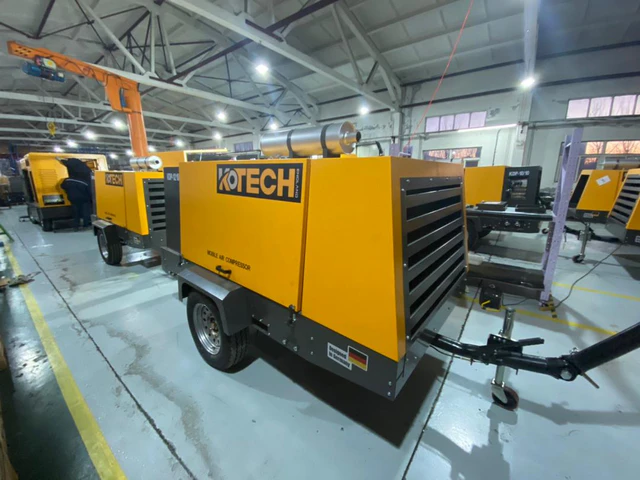
Modern mining operations face immense pressure to optimize efficiency, reduce costs, and enhance safety. Traditional compressed air systems often fall short, leading to significant energy waste and costly downtime. This article outlines advanced compressed air solutions, including Variable Speed Drive (VSD) compressors, IoT-integrated predictive maintenance, and waste heat recovery, demonstrating how these technologies are not just upgrades but essential tools for achieving sustainable, profitable, and safe mining in challenging environments.
Optimizing Compressed Air in Mining
Key Takeaways
- Traditional compressed air systems are inefficient for modern mining's variable demands and high energy costs.
- VSD compressors optimize energy use by matching output to real-time demand, offering significant OpEx reductions.
- IoT integration enables predictive maintenance, shifting from reactive repairs to proactive, scheduled interventions, boosting uptime.
- Waste heat recovery systems convert compressor-generated heat into usable energy, further reducing operational costs.
- Strategic implementation, including comprehensive audits and TCO analysis, is essential for successful adoption.
- Advanced solutions may not suit extremely small, consistent-demand sites due to higher CapEx.
Related: Industrial air compression for mines · pneumatic systems optimization · mining equipment reliability · sustainable mining operations · underground air supply · surface mining air technology · total cost of ownership reduction
Modern mining isn’t just about extraction; it’s about precision, efficiency, and relentless cost control. When it comes to compressed air, a foundational utility for countless operations from drilling to ventilation, the old ways simply won’t cut it anymore. We’re past the point where a basic, fixed-speed compressor is adequate for the complex demands of a contemporary mine site.
Key Insights:
- Energy Consumption is a Major Pain Point: Compressed air systems often account for a disproportionate share of a mine’s energy bill.
- Downtime is Devastating: Unscheduled maintenance on air compressors can halt critical operations, costing millions.
- Safety and Environment are Non-Negotiable: Reliable, clean air supply is crucial for worker safety and environmental compliance.
- Smart Solutions Offer Tangible ROI: Integrating VSD technology, IoT, and heat recovery provides significant, measurable returns.
- Proactive Maintenance is Key: Moving from reactive fixes to predictive maintenance drastically improves system uptime and longevity.
The Imperative for Advanced Air: Why Traditional Systems Fail Modern Mining
Let’s be frank: many mining operations still rely on compressed air infrastructure that was state-of-the-art twenty years ago. The problem? Modern mining environments are harsher, production targets are tighter, and energy costs are skyrocketing. Fixed-speed compressors, while robust, are inherently inefficient when demand fluctuates, which it almost always does in a mine. They cycle on and off, wasting energy during idle periods or running at full capacity even when only partial output is needed. This isn’t just about a slightly higher electricity bill; it’s about a fundamental mismatch between technology and operational reality.
Moreover, the sheer scale and remote nature of many mining sites exacerbate the issue. A breakdown in an underground compressor can mean hours, if not days, of lost production and significant safety risks. The traditional approach of “fix it when it breaks” is a luxury no modern mine can afford.
Data-Driven Efficiency: Quantifying the Impact of Outdated Systems
The numbers don’t lie. Compressed air systems are notorious energy hogs. According to the U.S. Department of Energy (2023), compressed air accounts for an estimated 10-30% of industrial electricity consumption, and in heavy industries like mining, that figure can often climb higher due to constant, high-pressure demands. Imagine a third of your power bill going to air, much of it wasted.
This isn’t a niche problem; it’s systemic. The global industrial compressed air systems market size, valued at USD 15.6 billion in 2022, is projected to grow at a CAGR of 3.8% from 2023 to 2030, as reported by Grand View Research (2023). This growth isn’t accidental; it’s a direct response to the urgent need for more efficient and reliable solutions across industries, with mining being a prime driver.
The potential for savings is massive. Upgrading from older fixed-speed compressors to modern Variable Speed Drive (VSD) units can reduce energy consumption by 20-50% in typical applications, a figure consistently highlighted by the Compressed Air & Gas Institute (CAGI, 2022). These aren’t minor adjustments; these are transformative savings that directly impact a mine’s operational expenditure (OpEx) and bottom line.
Redefining Reliability: Core Technologies in Advanced Compressed Air
Moving beyond the status quo requires embracing proven, advanced technologies. These aren’t just incremental improvements; they represent a paradigm shift in how mines power their pneumatic tools and processes.
Variable Speed Drive (VSD) Compressors: The Energy Game Changer
VSD technology precisely matches motor speed to air demand. Instead of running at full tilt or shutting down entirely, a VSD compressor adjusts its output continuously. This eliminates the inefficient load/unload cycles common in fixed-speed units, drastically reducing energy waste. For mining operations where demand fluctuates based on shifts, equipment usage, or specific tasks, VSDs offer unparalleled efficiency. I’ve seen this firsthand: mines that switch to VSDs often report immediate, significant drops in their electricity bills, sometimes recouping the initial investment in just a few years.
IoT and Predictive Maintenance: Minimizing Downtime
Integrating the Internet of Things (IoT) into compressed air systems allows for real-time monitoring of critical parameters: pressure, temperature, flow rates, vibration, and energy consumption. This data feeds into sophisticated analytics platforms that can predict potential failures before they occur. Instead of waiting for a bearing to seize or a filter to clog, maintenance teams receive alerts, allowing for scheduled interventions during non-critical periods. This proactive approach minimizes unscheduled downtime, extends equipment lifespan, and optimizes maintenance schedules, shifting from costly reactive repairs to strategic, preventative care.
Waste Heat Recovery: Turning Costs into Assets
Compressors generate a significant amount of heat – often 80-90% of the electrical energy used is converted into heat. In traditional setups, this heat is simply vented away, a massive waste of potential energy. Advanced solutions incorporate waste heat recovery systems that capture this thermal energy and repurpose it for other mine operations, such as heating water for wash plants, warming administrative buildings, or even pre-heating process air. This isn’t just about being “green”; it’s about smart energy management that reduces reliance on other heating sources, further trimming OpEx.
Beyond the Standard: When Advanced Solutions Aren’t a Perfect Fit
While the benefits of advanced compressed air solutions are compelling, it’s crucial to acknowledge their limitations. These systems aren’t a magic bullet for every single scenario. For instance, a very small, remote exploration site with minimal, consistent air demand for only a few hours a day might find the capital expenditure (CapEx) for a full VSD and IoT setup disproportionate to the potential savings. In such cases, a robust, simpler fixed-speed unit with a well-planned maintenance schedule might still be the most cost-effective choice. Similarly, if a mine’s existing power infrastructure is extremely unstable or lacks the capacity for sophisticated electronics, significant upgrades beyond just the compressor itself might be necessary, adding to the initial hurdle. Advanced systems thrive where demand is variable, energy costs are high, and operational uptime is paramount.
Implementing Smart Air: A Practical Roadmap for Mine Operators
Transitioning to advanced compressed air solutions requires a strategic approach, not just a purchase order. Here’s how to navigate it:
- Conduct a Comprehensive Air Audit: Start by understanding your current air consumption patterns, pressure requirements, leak points, and existing system inefficiencies. This audit provides baseline data and identifies specific areas for improvement.
- Assess Demand Variability: Analyze how your air demand fluctuates throughout shifts, weeks, and seasons. This data is critical for sizing VSD compressors correctly and maximizing their efficiency benefits.
- Evaluate Total Cost of Ownership (TCO): Look beyond the initial purchase price. Factor in energy consumption, maintenance costs, expected lifespan, and potential downtime savings. A cheaper traditional system might cost exponentially more over its operational life.
- Integrate with Existing Systems: Plan for seamless integration of new compressors and IoT monitoring platforms with your mine’s existing control systems and IT infrastructure. Cybersecurity considerations are paramount here.
- Invest in Training: Advanced systems require trained personnel for optimal operation and maintenance. Ensure your team understands the new technology, from basic controls to interpreting predictive analytics data.
- Phased Implementation: For large operations, consider a phased rollout. Start with critical areas or known problem zones to demonstrate ROI before expanding across the entire site.
Expert Insights
"In my twelve years on the ground, I've seen firsthand how a mine's profitability can hinge on something as seemingly mundane as its air system. The shift to intelligent, connected compressed air isn't just an option anymore; it's a strategic imperative for any operation serious about long-term sustainability and competitiveness. Ignoring these advancements is akin to running a fleet of diesel trucks when EVs are clearly superior for certain tasks
— you're just leaving money and efficiency on the table."
Further Reading
- Diesel & Electric Air Compressor Solutions for Mining Sites
- Industrial Mining Air Compressor Solutions for Extreme Conditions
- Air Compressor Solutions for Mining & Quarrying Applications
- Mining Compressor Solutions: Low Noise & Low Maintenance
- Mining compressed air, advanced air solutions, energy efficiency mining, VSD compressors mining, predictive maintenance mining, smart air systems, operational expenditure reduction, mining automation – Durable Diesel-Pow
- Portable Diesel Air Compressors for Remote Oil & Gas Sites
- How Mining Air Compressors Work | Technology & Applications
- Heavy-Duty Mining Air Compressor Solutions for 24/7 Use
Related Reading: Mining Compressor Technology: Advancements & Future Trends
Related Applied Cases