Optimizing Mining Operations with Advanced Compressor Solutions
Optimizing compressed air systems isn’t just a technical detail for global mining operations; it’s a direct lever for profitability and operational continuity. Downtime from compressor failure can halt critical processes like drilling, ventilation, or mineral processing, costing millions daily.
The Imperative for Optimized Compressed Air in Mining
Compressed air is often called the “fourth utility” in mining, powering everything from rock drills and pneumatic tools to ventilation systems and processing plants. Yet, it’s frequently overlooked until a breakdown occurs. The challenge isn’t just having enough air; it’s about having reliable, clean, and cost-effective air under the most grueling conditions imaginable. We’re talking about extreme temperatures, abrasive dust, high altitudes, and often remote locations with limited infrastructure. These factors combine to create a perfect storm for equipment failure if not properly addressed.
Industry Trends & Data-Driven Performance
The global mining sector is undergoing significant transformation, driven by commodity demand, environmental pressures, and technological advancements. Compressor technology is evolving in parallel to meet these new demands.
The Global Mining Equipment Market: Growth and Demand
The market for mining equipment, including compressors, continues its upward trajectory. This growth underscores the ongoing investment in new projects and the upgrading of existing infrastructure, where compressed air systems play a foundational role.
Energy Efficiency Gains: A Direct Path to Cost Reduction
Energy consumption is a massive operational cost for mines. Deploying variable speed drive (VSD) compressors, for instance, which adjust motor speed to match demand, has delivered significant energy savings in numerous mining applications worldwide.
Impact of Downtime: The Hidden Costs
Unplanned downtime is arguably the biggest enemy of mining productivity. A single hour of downtime in a large-scale mining operation can easily cost hundreds of thousands of dollars in lost production, labor, and restart expenses. Reliable compressed air is a cornerstone of mitigating this risk.
Strategic Operational Insights from Real-World Deployments
Our experience shows that the most successful mining operations approach their compressed air strategy with a holistic view, integrating technology, maintenance, and personnel.
Optimizing Energy Footprint: Variable Speed Drive (VSD) Integration
Consider a large open-pit copper mine in South America. Their existing fixed-speed compressors ran at full capacity even during periods of low air demand, leading to significant energy waste. After a comprehensive audit, they replaced several units with VSD rotary screw compressors. The result? This case highlights the power of right-sizing and technology upgrades.
Enhancing Reliability in Extreme Environments: Modular & Containerized Solutions
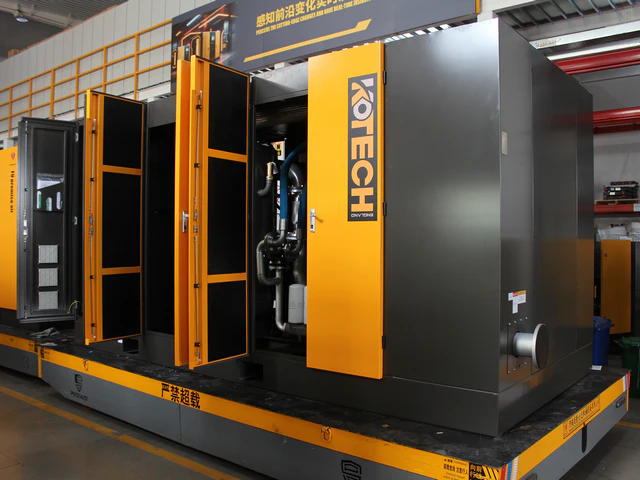
For a remote gold mining operation in Western Australia, extreme dust and heat were constant threats to compressor uptime. Standard installations required extensive, costly shelters and filtration. Their solution involved deploying purpose-built, containerized air compressor packages. These units featured enhanced filtration, robust cooling systems, and all components pre-installed in a durable, sealed enclosure. This significantly reduced installation time, maintenance requirements, and improved overall reliability in a notoriously challenging environment.
Predictive Maintenance & Remote Monitoring: Minimizing Unplanned Downtime
A large underground coal mine in North America faced persistent issues with unexpected compressor failures, leading to costly disruptions to their longwall mining operations. They implemented a comprehensive predictive maintenance program, installing IIoT sensors on their critical compressor fleet. These sensors monitored vibrations, temperatures, pressures, and oil quality in real-time. Data was analyzed remotely, allowing maintenance teams to identify potential failures weeks in advance.
When Conventional Wisdom Falls Short: Nuances in Compressor Selection
While VSD compressors and predictive maintenance are powerful tools, they aren’t universal panaceas. For instance, in applications requiring absolutely constant, high-volume air flow without any fluctuation, a well-maintained fixed-speed centrifugal compressor might still offer a lower capital cost and simpler control, often with comparable efficiency if operating at its design point. Similarly, while electrification is a growing trend, diesel-driven portable compressors remain indispensable for rapidly deployable, high-power applications in exploration or remote sites where grid access is limited or non-existent. You need to consider the specific operational profile, not just the latest trend.
Actionable Best Practices for Global Mining Operations
Based on years of observation and successful project implementations, here are some actionable strategies:
Conducting Comprehensive Site Assessments
Before any investment, perform a detailed compressed air audit. Understand your actual air demand profiles, pressure requirements, and environmental conditions. This data is critical for selecting the right compressor type, size, and ancillary equipment.
Implementing Robust Maintenance Schedules
Preventive maintenance isn’t optional; it’s foundational. Adhere strictly to manufacturer guidelines for filter changes, oil analyses, and component inspections. In harsh mining environments, consider more frequent checks than standard recommendations.
Leveraging Advanced Control Systems
Beyond individual compressor controls, implement master control systems that manage multiple compressors as a unified network. These systems optimize load sharing, minimize idle time, and ensure consistent pressure delivery across the entire mine.
Training & Upskilling Local Teams
The best technology is useless without skilled operators and maintenance personnel. Invest in comprehensive training programs for your local workforce on compressor operation, troubleshooting, and preventive maintenance. This reduces reliance on external technicians and empowers your team.
Strategic Vendor Partnerships
Aligning with compressor manufacturers or distributors who understand the unique demands of mining is crucial. A good partner offers not just equipment, but also technical support, spare parts availability, and ongoing service, which can be invaluable for remote operations.
The upfront investment in quality equipment and smart systems pays dividends many times over.