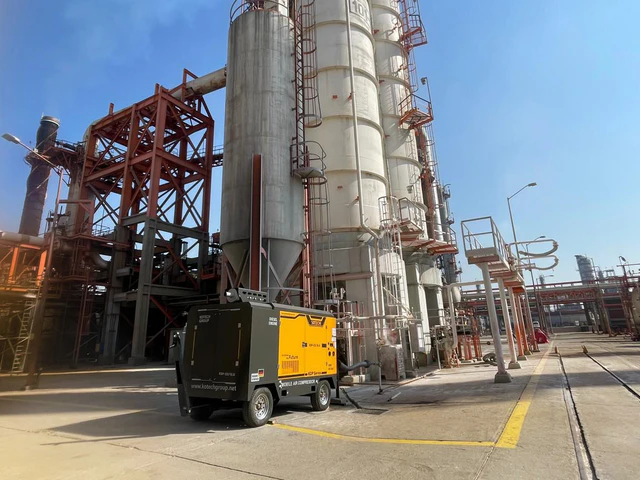
Maximizing Uptime: Reliable Air Compression in Oil & Gas
Reliable Air Compressor Solutions for Oil & Gas Industries
Let’s be blunt: in the Oil & Gas sector, an air compressor isn’t a luxury; it’s a critical utility. Its failure can cascade into operational shutdowns, safety incidents, and massive financial penalties. From powering drilling rigs and instrument air systems on offshore platforms to supporting processing plants onshore, these machines are the unsung heroes. You need systems that won’t just work, but will keep working, day in and day out, no matter the conditions.
The Criticality of Uptime: Why Reliability Isn’t a Luxury
In Oil & Gas, every minute of unexpected downtime is a drain on resources and revenue. When an air compressor, often the heart of instrument air or process control systems, fails, the entire operation grinds to a halt. The sheer scale of these potential losses makes reliability not just a desirable feature, but an absolute necessity.
The Ripple Effect of Compressor Failure
A malfunctioning air compressor can trigger a domino effect. Instrument air systems, vital for controlling valves, actuators, and safety interlocks, are directly impacted. Without precise control, processes become unstable, leading to product quality issues, equipment damage, or worse, catastrophic safety breaches. Operators are forced to initiate costly shutdowns, often requiring personnel evacuation or complex emergency procedures.
Navigating the Harsh Realities: Specific Challenges in O&G Operations
The environments in which Oil & Gas air compressors operate are among the most demanding on the planet. Whether it’s the corrosive saltwater spray on an offshore rig, the extreme temperature fluctuations in a desert oilfield, or the presence of explosive gases in a refinery, these conditions push equipment to its limits.
Environmental Extremes and Contaminants
Humidity, dust, sand, and corrosive gases like H2S are constant threats. These elements accelerate wear and tear on components, clog filters, and corrode internal parts if the compressor isn’t specifically designed and built for such applications. Standard industrial compressors simply won’t cut it; they’ll degrade rapidly, leading to frequent breakdowns and exorbitant maintenance costs. We’re talking about heavy-duty, often explosion-proof (ATEX or Class I, Div 1/2 certified) units that can withstand these onslaughts.
Remote Locations and Logistical Hurdles
Many Oil & Gas operations are in remote areas, making access for maintenance and repairs a significant challenge. Shipping parts and dispatching specialized technicians can take days or even weeks, amplifying the impact of any equipment failure. This logistical complexity underscores the need for highly durable, low-maintenance compressors with robust diagnostic capabilities, minimizing the frequency and duration of service interventions.
Data-Driven Decisions: The Economic Impact of Compressor Performance
Understanding the true cost of an air compressor goes far beyond its purchase price. Energy consumption, maintenance, and the potential for downtime are major factors. In the energy-intensive Oil & Gas sector, this percentage can be even higher. Optimizing compressor efficiency directly translates into substantial operational savings.
The Cost of Inefficient Systems
An older, inefficient compressor might seem like a bargain initially, but its continuous energy appetite will quickly erode any upfront savings. Furthermore, higher energy consumption often generates more heat, stressing components and increasing the likelihood of failure. Investing in modern, energy-efficient air compressors, equipped with variable speed drives (VSDs) and advanced controls, can yield significant returns through reduced electricity bills and extended operational life. This isn’t just good for the bottom line; it aligns with increasing industry pressure for sustainable operations.
Beyond the Spec Sheet: What Defines True Reliability?
Reliability in Oil & Gas air compressors isn’t just about having a strong motor. It’s a holistic concept encompassing design, materials, manufacturing quality, control systems, and ongoing support.
Robust Design and Material Selection
Compressors for Oil & Gas must feature heavy-duty components, corrosion-resistant materials, and often, redundant systems. Think stainless steel piping, specialized coatings, and robust filtration systems designed to handle abrasive particles and corrosive gases. The entire package needs to be engineered for extreme duty cycles and continuous operation in hazardous locations.
Advanced Control and Monitoring
Modern air compressors come equipped with sophisticated control systems that monitor performance parameters in real-time. Features like predictive maintenance algorithms, remote diagnostics, and condition-based monitoring are crucial. These systems can detect anomalies before they become critical failures, allowing for proactive intervention.
Strategic Solutions: Implementing Robust Air Compressor Systems
Implementing reliable air compressor solutions requires a strategic approach, considering the unique demands of each Oil & Gas application.
Application-Specific Design and Sizing
There’s no one-size-fits-all solution. A compressor for instrument air on an FPSO (Floating Production Storage and Offloading) vessel will have different requirements than one for pneumatic tools at a refinery. Proper sizing is paramount to avoid both under-sizing (leading to overworking and premature failure) and over-sizing (leading to inefficiency and higher TCO). Factors like flow rate, pressure requirements, duty cycle, and the specific contaminants present must be carefully evaluated.
Redundancy and Modularity
For critical applications, redundancy is non-negotiable. This means having backup compressors or multiple smaller units that can take over if one fails. Modular designs also facilitate easier maintenance and scalability, allowing for sections of the system to be serviced without shutting down the entire operation. This approach significantly boosts overall system uptime.
The Pitfalls of Underinvestment: A Cautionary Tale
While the upfront cost of a high-quality, specialized air compressor for Oil & Gas can be substantial, underinvestment is almost always a false economy. Opting for cheaper, less robust equipment often leads to a cycle of frequent breakdowns, expensive emergency repairs, and ultimately, a much higher Total Cost of Ownership.
Beyond Initial Purchase Price
Consider a scenario where a company purchases a compressor not rated for hazardous environments. The immediate savings might look appealing. However, the risk of a spark igniting flammable gases, leading to an explosion and potential loss of life, is simply unacceptable. Regulatory bodies like OSHA and local authorities impose stringent fines and operational shutdowns for non-compliance.
Future-Proofing Your Operations: Trends and Technologies
The Oil & Gas industry is continually evolving, and air compressor technology is keeping pace. Embracing these trends is key to long-term reliability and efficiency.
Predictive Maintenance and IoT Integration
The integration of IoT sensors and advanced analytics is transforming compressor maintenance. Instead of scheduled maintenance or reactive repairs, data-driven insights predict potential failures. This allows maintenance teams to act proactively, ordering parts and scheduling service during planned downtime, minimizing disruption.
Energy Efficiency and Environmental Compliance
With increasing pressure to reduce carbon footprints, energy-efficient compressors are gaining traction. Technologies like VSDs, advanced heat recovery systems, and oil-free compressors contribute to both lower operating costs and improved environmental performance. Many regions are also tightening emissions regulations, making compliance a key factor in equipment selection.
Practical Steps for Selecting & Maintaining Your Fleet
Choosing the right air compressor for Oil & Gas is a critical decision. Here’s a practical guide:
- Thoroughly Assess Application Needs: Define exact pressure, flow, duty cycle, and environmental conditions. Are you in a hazardous area? What contaminants are present?
- Prioritize TCO, Not Just Purchase Price: Factor in energy consumption, maintenance costs, expected lifespan, and potential downtime costs over the compressor’s operational life.
- Demand Industry Certifications: Ensure compliance with relevant standards like API, ATEX, IECEx, and local safety regulations. This isn’t optional for hazardous environments.
- Evaluate Supplier Support and Service: A reliable compressor is only as good as the support behind it. Look for manufacturers with a strong reputation for after-sales service, spare parts availability, and skilled technicians, especially in your operational regions.
- Implement Robust Maintenance Programs: Beyond routine checks, integrate predictive maintenance technologies. Regular oil analysis, vibration monitoring, and thermal imaging can extend asset life and prevent unexpected failures.
- Train Your Personnel: Ensure your operators and maintenance staff are fully trained on the specific equipment. Proper operation and first-line troubleshooting can prevent minor issues from escalating.
Conclusion: Securing Your Operational Backbone
Reliable air compressor solutions are the backbone of efficient, safe, and profitable Oil & Gas operations. The investment in high-quality, application-specific equipment, coupled with advanced monitoring and robust maintenance strategies, isn’t an expense; it’s an insurance policy against catastrophic downtime and safety incidents. By prioritizing reliability, you’re not just buying a machine; you’re securing your operational continuity and protecting your most valuable assets.