
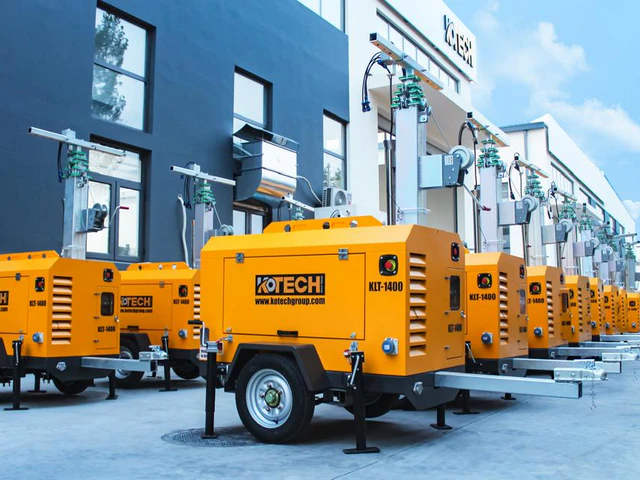
In remote mining, reliable compressed air is non-negotiable. Towable diesel air compressors deliver the critical power and mobility needed to drive pneumatic tools, support blasting, and maintain infrastructure in isolated locations. This article dives into why these robust units are essential, offering practical insights and data-backed recommendations for optimal selection and deployment.
Unlocking Efficiency: Towable Diesel Air Compressors for Remote Mining
Key Takeaways
- Towable diesel air compressors are critical for remote mining due to their mobility and independence from grid power.
- They power essential tools like rock drills and support blasting and maintenance.
- Key selection criteria include matching CFM/PSI to tool demands, engine reliability, fuel efficiency, and robust construction.
- Industry data (Grand View Research 2023, IEA 2024, MSHA 2022) underscores the importance of efficient, reliable, and safe equipment in growing remote mining operations.
- Proactive maintenance and comprehensive operator training are vital for maximizing equipment lifespan and operational continuity.
- While electrification is emerging, diesel remains the pragmatic choice for mobile compressed air in most remote mining scenarios.
Related: Mobile compressed air solutions · heavy-duty portable compressors · off-grid mining power · mine site air tools · diesel-powered air compressors · rugged air compression · remote site equipment reliability · pneumatic tools for mining
Key Insights:
- Towable diesel air compressors are indispensable for remote mining, providing critical, on-demand pneumatic power for drills, tools, and site maintenance.
- Mobility, rugged construction, and self-contained power are primary drivers for their adoption in off-grid and challenging mining environments.
- Selecting the right unit demands a close look at CFM, PSI, fuel efficiency, and environmental compliance, directly impacting operational costs and uptime.
- Proactive maintenance and operator training are non-negotiable for maximizing equipment lifespan and ensuring safety in harsh conditions.
- While electrification trends are emerging, diesel remains the pragmatic, readily available power source for most remote mining air compression needs today.
For any mining professional, especially those operating in the vast, unforgiving landscapes of remote sites, the need for reliable, mobile power is constant. Towable diesel air compressors aren’t just another piece of equipment; they are the backbone of many critical operations, from powering heavy-duty rock drills to supporting crucial blasting sequences and maintaining essential infrastructure. Their ability to deliver consistent, high-pressure air where grid power is nonexistent or unreliable makes them absolutely indispensable.
The Undeniable Advantage: Why Towable Diesel Air Compressors Reign in Remote Mining
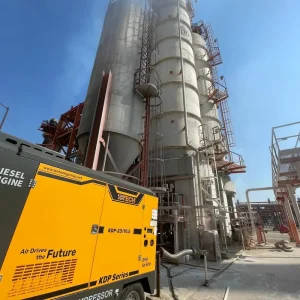
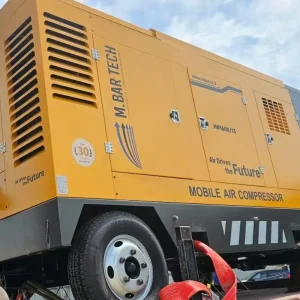
The core value proposition of towable diesel air compressors for remote mining boils down to two words: self-sufficiency and mobility. Unlike fixed electric units, these portable workhorses operate independently, powered by readily available diesel fuel. This autonomy is crucial when you’re hundreds of miles from the nearest grid connection, battling extreme temperatures or challenging terrain. They’re designed to be hitched to a truck and moved precisely where compressed air is needed, minimizing downtime and maximizing operational flexibility.
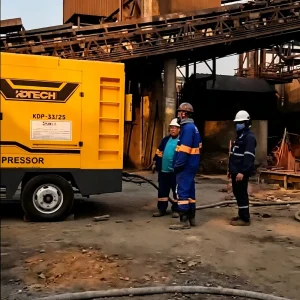
My experience over the last twelve years has repeatedly shown that investing in robust, well-maintained portable air compressors pays dividends in uptime and productivity. I’ve seen firsthand how a reliable unit keeps a drill crew working through a shift, while a failing one can bring an entire section of a mine to a standstill. It’s not just about the air; it’s about sustaining the entire operational rhythm.
Driving Forces: Data-Backed Necessity in Remote Operations
The global mining industry continues its push into more remote and challenging geographies, driven by the search for untapped mineral resources. This trend directly amplifies the need for self-contained, mobile equipment. According to a report by Grand View Research in 2023, the global mining equipment market size was valued at USD 149.38 billion and is expected to grow, with a significant portion of this growth attributed to demand for efficient, durable machinery in emerging and remote regions. This isn’t just a hunch; it’s a measurable market shift.
Furthermore, operational efficiency at remote sites is heavily influenced by equipment reliability and fuel consumption. Diesel fuel costs are a substantial component of mining budgets. Data from the International Energy Agency (IEA) in 2024 consistently highlights the volatility of global diesel prices. This volatility makes fuel efficiency a critical factor in selecting any diesel-powered equipment, including air compressors. Choosing units with advanced engine management systems can translate into significant savings over their operational lifespan.
Safety is another paramount concern. In remote environments, rapid response to equipment failures or emergencies is often hampered by distance. Reliable equipment minimizes these risks. The Mine Safety and Health Administration (MSHA) 2022 data consistently emphasizes that equipment-related incidents are a leading cause of injuries in mining. Investing in high-quality, dependable towable air compressors reduces the likelihood of breakdowns that could lead to dangerous situations or require costly, time-consuming repairs in isolated locations.
Beyond the Basics: Key Features for Harsh Environments
When you’re out in the field, a compressor isn’t just pushing air; it’s battling dust, extreme temperatures, and constant vibration. This is where specific features become non-negotiable:
- Rugged Enclosures: Units must withstand impacts, corrosive dust, and moisture. Think heavy-gauge steel, not flimsy plastic.
- Advanced Filtration Systems: Air intake filters need to handle severe dust loads common in mining. Engine air filters, too, are critical for engine longevity.
- Cold Start Capability: Many remote mining sites experience freezing temperatures. Reliable cold-start packages are essential.
- Fuel Efficiency: Modern diesel engines with intelligent control systems offer significant fuel savings compared to older models.
- Serviceability: Easy access to service points for oil changes, filter replacements, and daily checks reduces maintenance time and effort, especially valuable in remote locations.
Navigating the Landscape: When Towable Diesels Aren’t the Perfect Fit
While their benefits are clear, it’s important to acknowledge that towable diesel air compressors aren’t a universal solution for every mining scenario. For instance, in an existing underground mine with extensive electrical infrastructure, a stationary electric compressor might be more efficient and environmentally preferable. The operational noise and emissions of a diesel unit can also be a limiting factor in certain enclosed or environmentally sensitive areas, or where local regulations strictly mandate electrification. Also, for very small-scale, short-duration tasks where minimal air is needed, a smaller, gasoline-powered portable unit might be a more cost-effective, albeit less powerful, choice.
Another emerging trend is the push towards electrification in mining, particularly for larger, long-term operations. Some mines are exploring battery-electric or hybrid options for their fleets, aiming to reduce their carbon footprint and operational noise. However, the infrastructure required to support widespread electric charging in truly remote, greenfield mining sites is still a significant hurdle and often not economically viable today. For the foreseeable future, diesel remains the pragmatic choice for flexible, heavy-duty mobile air power.
Practical Implementation: Selecting and Maintaining Your Fleet
Choosing the right towable diesel air compressor involves more than just looking at the price tag. You need to match the compressor’s capacity (CFM – cubic feet per minute) and pressure (PSI – pounds per square inch) to the demands of your pneumatic tools and applications. Over-specifying means wasted fuel; under-specifying leads to insufficient power and reduced productivity. Engage with your equipment suppliers; a good one will help you calculate your actual air requirements.
Strategic Selection Criteria: More Than Just Horsepower
- CFM and PSI Match: List all pneumatic tools and their requirements. Ensure the compressor can handle the peak demand of simultaneously used tools.
- Engine Reliability: Opt for reputable engine manufacturers known for durability in industrial applications.
- Fuel Tank Capacity: Larger tanks mean longer run times between refueling, critical for uninterrupted work shifts in remote areas.
- Telematics & Monitoring: Modern units offer remote monitoring capabilities, providing vital data on fuel levels, engine hours, and maintenance alerts. This can be a game-changer for predictive maintenance in remote fleets.
- Service Network & Parts Availability: Even the best equipment needs service. Ensure the manufacturer has a robust support network and readily available parts, even for remote deliveries.
Maintenance is Not an Option, It’s a Mandate
In remote mining, preventative maintenance is your best friend. Skipping a service interval because the site is hard to reach is a recipe for catastrophic failure and massive downtime. Develop a strict maintenance schedule and stick to it. This includes:
- Daily Checks: Fluid levels (oil, coolant), air filter condition, tire pressure, visible leaks.
- Regular Service: Oil and filter changes (engine and compressor), fuel filter replacement, air filter replacement, belt tension checks.
- Component Inspection: Hoses, fittings, couplings, safety valves, and electrical connections should be regularly inspected for wear and tear.
- Operator Training: Ensure all operators are thoroughly trained not just on operation, but on basic daily checks and troubleshooting. This empowers them to identify minor issues before they become major problems.
From my perspective, the companies that prioritize preventative maintenance are the ones that consistently hit their production targets. It’s a simple equation: reliable equipment equals reliable output.
Ultimately, towable diesel air compressors are more than just machines; they are critical enablers for modern remote mining operations. Their mobility, robust design, and self-contained power provide the flexibility and reliability required to tackle the toughest jobs in the most challenging environments. By carefully selecting the right units and implementing a rigorous maintenance program, mining companies can ensure continuous productivity and safeguard their investments in the field.
Expert Insights
Based on my extensive field experience, the biggest mistake companies make in remote mining is underestimating the cost of downtime. A slightly cheaper compressor that frequently breaks down will cost you exponentially more in lost production and emergency repairs than investing in a premium, reliable unit from the outset. Prioritize durability and serviceability over initial purchase price every single time.
Further Reading
- Industrial Air Compressors for Oilfield & Gas Operations
- Successful Mining Air Compressor Installations Worldwide
- Industrial Compressed Air Solutions for Mining Operations
- Mining Air Compressor Technology: Trends & Best Practices
- Towable Diesel Air Compressors, Remote Mining Equipment, Portable Air Compressors, Mining Operations, Diesel Air Compressor – Portable Diesel Ai
- Mining Air Compressor Case Studies | Global Industrial Projects
- Mining Air Compressor Solutions for Underground & Surface Mines
- Streamlining Global Projects Eliminating Operational Bottlenecks Through Diesel Air Compressor for Jack Hammer Export Architectures
Related Reading: Latest Tech & Innovations in Mining Air Compressors
Related Applied Cases