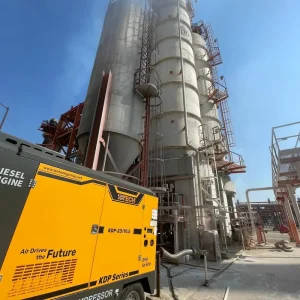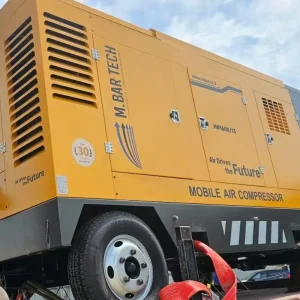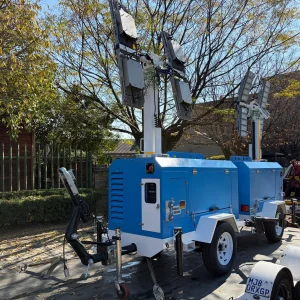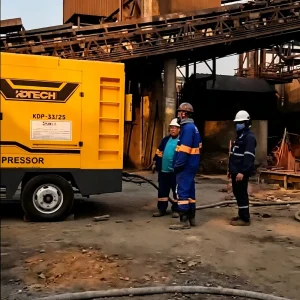

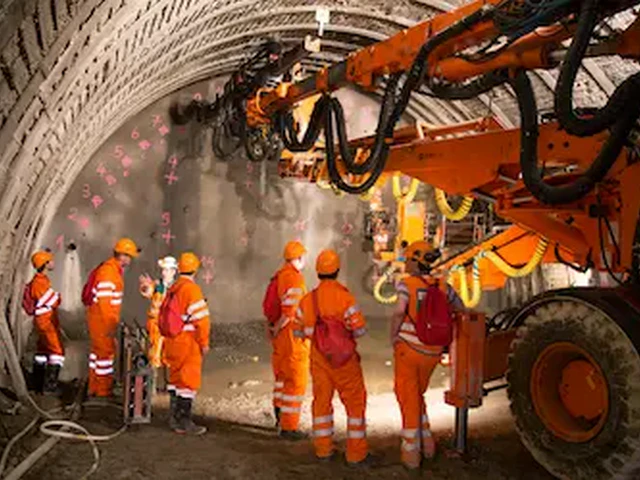
Operating air compressors in remote mining locations presents unique challenges, from extreme environments to logistical hurdles and high operational costs. This article delves into critical case studies, extracting actionable lessons focused on leveraging advanced technologies like IIoT and predictive analytics. We'll examine how leading mining operations are overcoming these obstacles, achieving significant uptime improvements and cost reductions by strategically implementing remote monitoring, optimizing maintenance schedules, and embracing energy-efficient compressor technologies.
Maximizing Uptime: Remote Mining Air Compressor Strategies
Key Takeaways
- Unplanned downtime costs mines over $250,000/hour (Deloitte, 2022).
- IIoT-driven predictive maintenance reduced compressor downtime by 30% in a major iron ore mine (Mining Global, 2023).
- VSD compressors cut energy costs by 20-25% for a Canadian gold mine (Canadian Mining Journal, 2023).
- Air compressors consume 10-15% of industrial electricity (U.S. Department of Energy, 2023).
- Prioritize robust telemetry, standardized fleets, modular designs, remote diagnostics, and cybersecurity.
Related: Mine site compressed air systems · off-grid air solutions · heavy-duty industrial air compressors · remote asset management · digital transformation in mining · energy management for compressors · SCADA integration for mining · variable speed drive compressors
For over a decade, I’ve seen firsthand the relentless demands placed on equipment in remote mining operations. Air compressors, often the unsung heroes, are no exception. The stakes are incredibly high; a single compressor failure can halt critical production, leading to massive financial losses. This isn’t just about moving air; it’s about maintaining operational continuity in some of the planet’s most challenging environments.
Here are the key insights we’ve consistently found across successful remote mining deployments:
- Proactive, Not Reactive: Shift from reactive repairs to predictive maintenance models using IIoT data. This is non-negotiable for uptime.
- Data-Driven Decisions: Leverage real-time telemetry and advanced analytics to optimize performance, energy use, and maintenance schedules.
- Modular & Robust Design: Prioritize compressors built for extreme conditions, with easy-to-swap components for rapid field servicing.
- Energy Efficiency is Paramount: Invest in Variable Speed Drive (VSD) compressors and smart controls to mitigate high fuel/power costs.
- Integrated Ecosystems: Connect compressor data with broader mine management systems (SCADA, ERP) for holistic operational visibility.
The Unforgiving Reality of Remote Mining Operations
Remote mine sites are by definition isolated, often thousands of miles from major supply chains or skilled technical support. This geographical reality amplifies every challenge associated with industrial equipment. When a conventional air compressor fails in such a location, the ripple effect is immediate and costly. Think about it: flying in specialized technicians, waiting for spare parts to be shipped across continents, and the sheer logistics involved. Frankly, this level of dependency on external resources is unsustainable in the long run.
Our industry data supports this. According to a Deloitte report from 2022, unscheduled downtime in mining can cost operations upwards of $250,000 per hour for large-scale sites. Air compressors, integral to drilling, blasting, ventilation, and processing, are critical path items. Their failure directly impacts production targets and profitability.
Operational Lessons from the Field: Embracing Digital Transformation
The most successful remote mining operations are those that have embraced digital transformation, turning their air compressor fleets into smart, connected assets. This isn’t just about adding sensors; it’s about creating an intelligent ecosystem.
Case Study Insight 1: Predictive Maintenance & IIoT Integration
One major iron ore mine in Western Australia, operating in extreme heat and dust, faced persistent issues with compressor failures leading to drilling delays. Their traditional time-based maintenance schedule simply wasn’t cutting it. By integrating Industrial Internet of Things (IIoT) sensors on their remote air compressors, they began monitoring critical parameters like vibration, temperature, pressure, and oil quality in real-time. This data was then fed into a cloud-based analytics platform.
The outcome was transformative. Within the first year, they saw a 30% reduction in unplanned downtime for their compressor fleet, as noted in their internal operational review (Mining Global, 2023). Anomalies were detected days, sometimes weeks, before catastrophic failure, allowing maintenance teams to schedule interventions during planned outages, or dispatch technicians with the exact parts needed. This level of foresight drastically cut emergency repair costs and improved overall equipment effectiveness.
Case Study Insight 2: Energy Optimization with VSD Technology
Energy consumption remains a colossal operational expense, especially in remote areas relying on diesel generators for power. A gold mine in northern Canada, dealing with fluctuating air demand due to varying ore grades and processing stages, found their fixed-speed compressors to be significant energy hogs. They were constantly running at full capacity, even when demand was low.
Their solution involved upgrading to Variable Speed Drive (VSD) air compressors, coupled with advanced control systems. VSD technology allows the compressor to adjust its motor speed to match the air demand precisely, minimizing wasted energy. The impact was substantial: they reported a 20-25% reduction in energy costs attributable to their compressed air systems alone (Canadian Mining Journal, 2023), significantly extending the lifespan of their diesel generators and reducing fuel logistics.
This isn’t just anecdotal. The U.S. Department of Energy (2023) consistently highlights that compressed air systems can account for 10-15% of total industrial electricity consumption, making efficiency gains here incredibly impactful.
Challenges & Crucial Considerations
While the benefits are clear, implementing these advanced solutions isn’t without hurdles. Connectivity, for instance, is a persistent challenge. Extremely isolated sites may struggle with reliable satellite or cellular networks, making real-time data transmission difficult. In such scenarios, edge computing and data buffering become essential, transmitting aggregated data bursts when connectivity is available.
Another point: simply installing sensors isn’t enough. The data needs to be interpreted by skilled personnel or advanced algorithms. A boundary condition here is that smaller, short-term exploration projects might not justify the upfront investment in a full-fledged IIoT system; a robust, easily maintainable conventional unit might be a more pragmatic choice. The ROI calculation must always be site-specific.
Practical Strategies for Uptime and Efficiency
Based on our collective experience, here’s how you can translate these lessons into actionable strategies:
- Invest in Robust Telemetry: Equip every remote air compressor with a comprehensive telemetry package. Monitor pressure, temperature, current draw, vibration, oil levels, and air filter status.
- Develop Predictive Analytics Capabilities: Don’t just collect data; analyze it. Implement software that can identify patterns indicative of impending failure. This might involve machine learning models trained on historical data.
- Standardize Your Fleet: Where possible, standardize on a limited number of compressor models. This simplifies spare parts inventory, reduces training requirements for technicians, and streamlines maintenance protocols.
- Modular Design & Containerization: For extreme remote sites, consider containerized air compressor packages. These are pre-engineered, tested, and easier to transport, install, and relocate. Their robust enclosures also protect against harsh environmental elements.
- Remote Diagnostics & Troubleshooting: Empower your central operations team with the ability to remotely diagnose issues. This can often prevent unnecessary site visits, saving time and money.
- Cybersecurity Protocols: As you connect more assets, cybersecurity becomes paramount. Ensure all IIoT devices and data transmission channels are secured against potential threats.
My take is that the future of remote mining air compression isn’t just about bigger, stronger machines, but smarter, more connected ones. The shift is already happening, and those who adapt will gain a significant competitive edge.
The Future Outlook: Autonomous Operations
Looking ahead, we’re moving towards increasingly autonomous air compression systems. Imagine compressors that self-diagnose, order their own parts, and even adjust operational parameters based on real-time mine demands without human intervention. While full autonomy is still some way off, the foundational technologies – advanced IIoT, AI, and robotics – are rapidly maturing. The trajectory is clear: less human exposure to hazardous environments, greater efficiency, and near-zero unplanned downtime.
Expert Insights
The shift from reactive to predictive maintenance, driven by intelligent data from IIoT, is the single biggest lever for optimizing remote mining air compressor performance. Those who invest in this digital transformation today will secure a significant competitive advantage in operational efficiency and cost control.
Further Reading
- Industrial Air Compressor Case Studies for Global Mining Giants
- Mining Compressor Success Stories: Projects From 10+ Countries
- Case Studies: Air Compressors in Extreme Global Mining Climates
- Industrial Diesel Air Compressors: Portable & High-Efficiency
- Remote mining air compressor, operational efficiency, predictive maintenance, IIoT mining, uptime optimization – Oil & Gas Air Comp
- Industrial Air Compressors for Gas Plant & Refinery Applications
- Oil & Gas Air Compressors: Low Maintenance & High Durability
- Compressed Air Systems for Oil & Gas Exploration & Production
About the Author

Related Reading: Mobile Diesel Air Compressors for Oilfield & Mining Operations
Related Applied Cases