
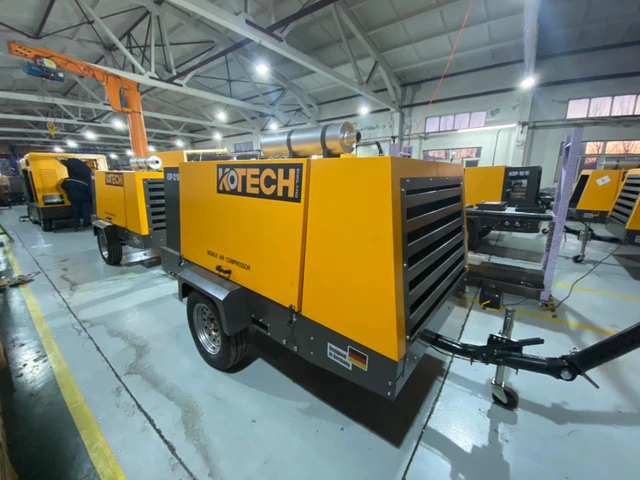
Industrial air compressors are the unsung heroes of mining, powering everything from drills to ventilation. This article delves into real-world case studies, revealing how strategic compressor selection, maintenance, and modern technologies like VSDs directly impact operational efficiency, reduce costly downtime, and bolster safety in the harshest mine environments. We uncover actionable insights for mining professionals aiming to enhance reliability and cut energy consumption.
Optimizing Mining Performance with Advanced Compressed Air Solutions
Key Takeaways
- Compressed air is essential for mining drills, ventilation, and processing.
- Unplanned downtime from compressor failures costs mines millions.
- Specialized, rugged compressors are crucial for extreme mining conditions.
- VSD compressors offer substantial energy savings (30-50%) in fluctuating demand.
- Remote monitoring and predictive maintenance enhance uptime and reduce costs.
- Selecting compressors based on Total Cost of Ownership (TCO) is key, not just purchase price.
- Air audits and proper sizing prevent energy waste.
- Oil-free compressors improve safety and tool longevity in sensitive applications.
Related: Heavy-duty air compressors for mining · underground mining compressed air · open-pit drilling compressors · energy-efficient mining compressors · VSD compressors mining · air compressor downtime mining · predictive maintenance mining · mineral processing air supply · mine safety air systems · rugged industrial compressors
Key Insights:
- Downtime is a Profit Killer: Unreliable compressed air systems are a leading cause of operational halts in mining, costing millions annually.
- Harsh Conditions Demand Specialized Solutions: Standard industrial compressors often fail in mining’s extreme dust, temperature, and altitude; rugged, purpose-built units are non-negotiable.
- Energy Efficiency is the New Gold Rush: Variable Speed Drive (VSD) compressors and proper system sizing can slash energy consumption by 30-50%, significantly impacting operational expenditure.
- Proactive Maintenance Wins: Remote monitoring and predictive maintenance strategies are crucial for maximizing uptime and extending equipment lifespan in remote mining sites.
- Total Cost of Ownership (TCO) Over Initial Price: Focusing solely on purchase price for mining compressors is a costly mistake; TCO, including energy, maintenance, and longevity, is paramount.
For anyone in mining operations, the reliability of your industrial air compressors isn’t just a line item; it’s the heartbeat of your productivity. When air supply falters, drills stop, ventilation systems choke, and processing grinds to a halt. The financial implications are staggering, and honestly, I’ve seen too many operations try to cut corners here, only to pay dearly in the long run.
The Unseen Powerhouse: Why Air Compressors Make or Break Mining Operations
In mining, compressed air is the fourth utility, indispensable for a vast array of tasks. It powers pneumatic drills, rock breakers, and roof bolters; drives automation in mineral processing plants; provides vital breathing air in underground mines; and even assists in conveying materials. Without a consistent, clean, and appropriately pressurized air supply, the entire operation can seize up.
The pain points are clear: unexpected downtime, exorbitant energy bills, and premature equipment failure. Consider this: EY (2020) reported that unplanned downtime can cost a large-scale mining operation upwards of $500,000 per day. A significant portion of this is directly attributable to failures in critical support systems, including compressed air. This isn’t just about lost production; it’s about missed targets, safety risks, and damaged reputations. From my experience, overlooking the environmental factors is a rookie mistake that compounds these issues.
Critical Applications & Their Demands
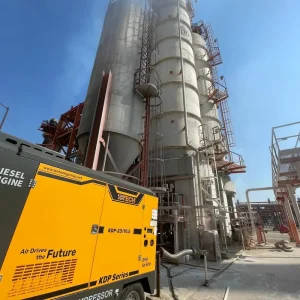
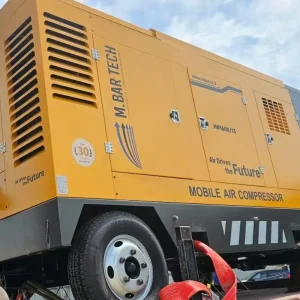
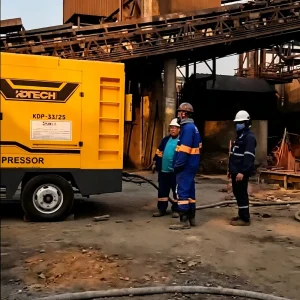
Whether it’s the high-pressure air for blast hole drilling in an open-pit mine or the continuous, stable supply for remote-controlled machinery in deep underground shafts, each application has unique demands. Surface mining often requires portable, robust diesel-driven compressors, while underground operations lean towards electric, explosion-proof units with advanced filtration. The common thread? Unwavering reliability under extreme stress.
Real-World Resilience: Case Studies in Challenging Mine Environments
Let’s look at how leading mining companies tackle these challenges head-on. These aren’t just theoretical discussions; these are hard-won lessons from the field.
Case Study 1: Mitigating Downtime in a Remote Copper Mine
A major copper mining operation in the Atacama Desert faced chronic issues with their existing compressed air system. Extreme temperatures, high altitude, and pervasive dust led to frequent breakdowns of their rotary screw compressors, causing significant production losses. Their solution involved a complete overhaul, replacing standard units with heavy-duty, oil-free industrial air compressors specifically designed for high-dust environments, featuring enhanced filtration and cooling systems. The new units were also equipped with advanced telemetry for remote monitoring.
Outcome: Within six months, unscheduled compressor downtime was reduced by 70%, directly translating to a 5% increase in overall mine productivity. The remote monitoring allowed for predictive maintenance, dispatching technicians only when necessary, saving travel time and costs to the isolated site. This approach exemplifies how investing in the right equipment for the environment pays dividends.
Case Study 2: Energy Savings in an Underground Gold Mine
An underground gold mine in Western Australia was grappling with escalating energy costs, largely due to an outdated, oversized fixed-speed compressed air system. The demand for air fluctuated significantly throughout the day, but the compressors ran at full capacity regardless, wasting substantial electricity. The mine partnered with a compressed air specialist to conduct a comprehensive energy audit and upgrade to a network of Variable Speed Drive (VSD) industrial air compressors.
Outcome: The VSD compressors adjusted their motor speed to match air demand precisely, eliminating wasteful off-load running. The Compressed Air and Gas Institute (CAGI 2022) highlights that VSD compressors can cut energy costs by 30-50% in applications with fluctuating air demand, a common scenario in mining. This mine achieved a verifiable 38% reduction in compressed air energy consumption, resulting in annual savings exceeding $1.2 million and a payback period of under two years for the new system. This move also significantly reduced their carbon footprint, aligning with global sustainability goals.
Case Study 3: Enhancing Safety and Air Quality in a Coal Mine
For an underground coal mine, maintaining pristine breathing air quality and reliable tool operation is paramount for worker safety. They faced challenges with oil carryover from their older, oil-lubricated compressors contaminating air lines and impacting the performance of sensitive pneumatic tools. This also posed a health risk to personnel. They transitioned to a series of certified oil-free air compressors, coupled with advanced multi-stage filtration units.
Outcome: The new system ensured 100% oil-free air, drastically improving air quality for breathing apparatus and extending the lifespan of pneumatic tools by reducing internal contamination. This proactive measure significantly enhanced worker safety and compliance with stringent environmental health regulations. The global mining equipment market, which Statista (2023) indicates was valued at approximately $140 billion in 2022, continuously sees innovation driven by such safety and efficiency demands.
Beyond Uptime: Driving Efficiency and Sustainability with Modern Air Systems
Modern industrial air compressors offer more than just brute force. They are engineered for intelligence, efficiency, and longevity. The integration of IoT and AI into compressed air systems is a game-changer for mining. Predictive maintenance algorithms can analyze operational data to anticipate failures before they occur, scheduling maintenance during planned downtime rather than reacting to emergencies. This is where, frankly, many procurement teams miss the mark, focusing on initial cost over long-term operational benefits.
The Rise of Smart Air Systems
Remote diagnostics, often accessible via cloud platforms, allow technicians to monitor compressor health from anywhere in the world. This is particularly valuable for mines located in remote, hard-to-reach areas. Parameters like pressure, temperature, current draw, and vibration can be tracked in real-time, providing invaluable insights into system performance and potential issues.
Navigating the Pitfalls: When Standard Solutions Fall Short
While the benefits of specialized compressors are clear, it’s crucial to understand their limitations. A high-efficiency VSD compressor, for instance, might not be the optimal choice for an application with constant, unwavering air demand, where a fixed-speed unit could be more cost-effective due to simpler design and lower initial capital outlay. Similarly, an oil-free compressor, while excellent for air quality, typically has a higher purchase price and might not be necessary for applications where minimal oil carryover is acceptable. This is where, I’d argue, the real differentiator isn’t just the compressor itself, but the support system behind it – the expertise of the vendor in matching the right technology to the specific mining challenge.
The “Not All Mines Are Equal” Caveat
A solution perfect for an underground coal mine might be entirely unsuitable for an open-pit iron ore operation. Factors like elevation (affecting air density and compressor performance), ambient temperatures, dust composition, and available power infrastructure all dictate the ideal compressor type, size, and configuration. Only when these boundary conditions are thoroughly assessed can an optimal and truly cost-effective system be designed. This is where, frankly, many procurement teams miss the mark, focusing on initial cost over long-term operational benefits.
Actionable Strategies for Optimizing Your Mine’s Compressed Air Infrastructure
Based on these case studies and years in the field, here are some actionable steps for mining professionals:
- Conduct Regular Air Audits: Understand your true air demand and identify leaks. A professional audit can reveal significant energy waste.
- Right-Size Your Compressors: Avoid oversizing. It leads to inefficient operation and higher energy consumption. Use VSD technology where demand fluctuates.
- Prioritize Filtration and Air Treatment: Invest in high-quality air dryers and filters appropriate for your environment to protect downstream equipment and ensure air quality.
- Implement Predictive Maintenance: Leverage remote monitoring and data analytics to move from reactive repairs to proactive maintenance schedules.
- Partner with Experienced Vendors: Choose suppliers with proven expertise in mining-specific applications, not just general industrial compressors. Their insights into specific challenges can be invaluable.
- Focus on Total Cost of Ownership (TCO): Evaluate compressors based on their lifetime cost, including energy consumption, maintenance, and expected lifespan, rather than just the upfront purchase price.
The lessons from these industrial air compressor case studies for mining operations are clear: strategic investment in robust, energy-efficient, and intelligently managed compressed air systems isn’t an option—it’s a fundamental requirement for competitive, safe, and sustainable mining in the modern era.
Expert Insights
"In my twelve years navigating the complexities of industrial air systems for heavy industries, especially mining, the biggest takeaway is this: you're not just buying a machine; you're investing in the uninterrupted flow of your operation. Skimping on the upfront cost for a compressor that isn't purpose-built for mining's brutal conditions is a false economy. The energy waste, the constant breakdowns, and the sheer cost of lost production will always dwarf any initial savings. Get it right the first time – assess your environment, understand your true demand, and partner with someone who truly grasps the nuances of mine-specific compressed air challenges. It's the difference between thriving and merely surviving."
Further Reading
- Real-World Mining Air Compressor Case Studies & Solutions
- Mining Air Compressor Projects | Global Industrial Applications
- Air Compressor Case Studies for Mining & Construction Sites
- Global Mining Compressor Case Studies & Operational Insights
- Industrial Air Compressor, Mining Operations, Case Studies, Compressed Air Systems, Mine Equipment Reliability – Successful Air Com
- Mining Air Compressor Case Studies: Real Projects Worldwide
- Industrial Air Compressor Case Studies for Global Mines
- Global Mining Air Compressor Projects & Testimonials
Related Reading: Mining Air Compressor Implementations | Global Success Stories
Related Applied Cases