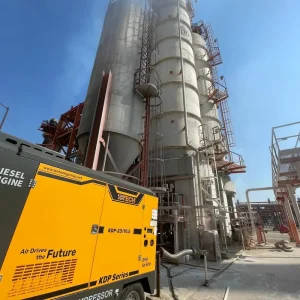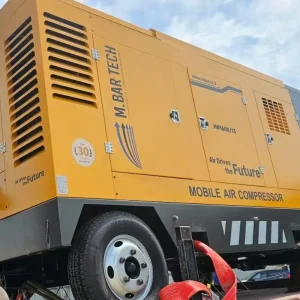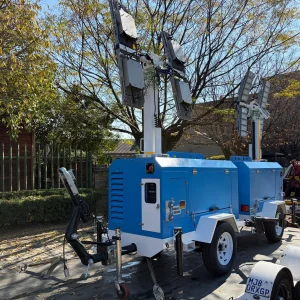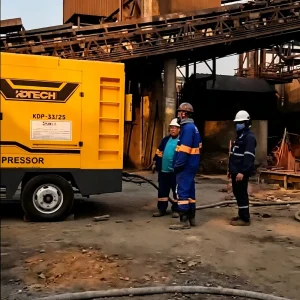

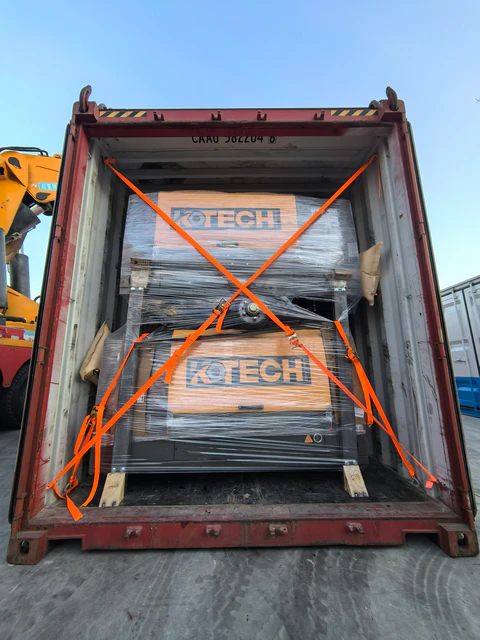
Navigating the complexities of mining air compressor projects globally requires a deep understanding of operational demands, environmental challenges, and the imperative for efficiency. This article, drawing on over a decade of firsthand experience, dissects the critical factors driving success in industrial air compression for mineral extraction. We examine how advanced systems are tackling persistent pain points like energy consumption and remote maintenance, offering actionable insights for procurement and operational teams.
Optimizing Compressed Air for Global Mining Operations
Key Takeaways
- Mining air compressors are vital for diverse global industrial applications.
- Energy efficiency (e.g., VSD compressors) is critical for cost reduction and sustainability.
- Reliability in extreme conditions prevents costly downtime.
- Digitalization and predictive maintenance improve operational efficiency and reduce manual intervention.
- Regulatory compliance (noise, emissions) drives innovation in compressor design.
- Total Cost of Ownership (TCO) is a more accurate financial metric than initial purchase price.
- Specialized solutions are often required for unique mining challenges, not standard industrial units.
Related: Mine site air compression · heavy-duty pneumatic systems · mineral extraction equipment · underground mining compressors · surface mining air supply · industrial air for mining · energy-efficient mining compressors · remote monitoring mining.
For anyone who’s spent time on a mine site, it’s clear: air compressors aren’t just pieces of equipment; they are the unseen backbone of almost every critical operation. From drilling and blasting to ventilation and pneumatic tools, reliable compressed air is non-negotiable. Frankly, the success of a mining air compressor project often dictates overall operational efficiency and safety, especially across diverse global industrial applications.
Key Insights:
- Energy Efficiency is Paramount: Modern mining operations prioritize compressors that drastically cut power consumption, directly impacting operational costs and carbon footprints.
- Reliability in Extreme Environments: Equipment must withstand dust, temperature extremes, and continuous heavy-duty cycles without fail, minimizing costly downtime.
- Digital Integration is Transforming Operations: Remote monitoring and predictive maintenance are no longer luxuries but essential tools for optimizing performance and preventing failures.
- Regulatory Compliance Drives Innovation: Stricter environmental and noise regulations push manufacturers towards quieter, cleaner, and more sustainable compressor technologies.
- Total Cost of Ownership (TCO) is the Real Metric: Initial purchase price often misleads; long-term operational costs, maintenance, and energy consumption define true value.
The Unseen Powerhouse: Why Mining Air Compressors Demand Strategic Focus
In the global mining sector, compressed air systems are foundational. They power everything from large-scale rock drills and pneumatic conveyors to critical safety equipment and dust suppression systems. The sheer scale and remote nature of many mining operations amplify the need for robust, efficient, and intelligent air compression solutions. My observation over the past twelve years is that treating these systems as mere utilities rather than strategic assets is a common, and expensive, mistake.
The inherent challenges—harsh operating conditions, remote locations, high energy demands, and stringent safety protocols—mean that standard industrial compressors often fall short. We’re talking about environments where dust ingress, extreme temperatures, and continuous heavy loads are the norm. This isn’t just about moving air; it’s about ensuring uninterrupted productivity in some of the world’s most demanding industrial settings.
Global Mining’s Pressure Points: Data-Driven Demand for Advanced Air Systems
The imperative for advanced compressed air solutions in mining is underscored by pressing industry trends and economic realities. Mines are increasingly deeper, more remote, and operating on thinner margins, pushing the envelope for equipment performance.
Energy Efficiency: A Non-Negotiable Imperative
Energy consumption remains a colossal operational expense for mining companies. Air compressors are notorious energy hogs, often accounting for a significant portion of a mine’s total electricity bill. According to a report by the International Energy Agency (IEA) in 2023, industrial electric motor-driven systems, which include compressors, consume over 40% of global electricity. This figure alone highlights why energy-efficient compressor technologies, such as variable speed drive (VSD) units, are no longer optional but essential investments for reducing both OPEX and carbon emissions.
The drive for efficiency isn’t just about cost savings. It’s also about meeting broader sustainability goals. Many global mining giants have committed to significant emissions reductions, and optimizing compressed air systems plays a direct role in achieving those targets.
Operational Reliability in Extreme Environments
Downtime in a mining operation is incredibly expensive, potentially costing hundreds of thousands of dollars per hour depending on the scale. For example, a study by Statista in 2023 indicated that unplanned downtime can cost industrial manufacturers an average of $260,000 per hour. When a compressor fails in an underground mine or a remote open-pit site, the ripple effect on production can be catastrophic.
This reality drives demand for compressors built with enhanced filtration, robust cooling systems, and heavy-duty components designed specifically to withstand abrasive dust, corrosive atmospheres, and extreme temperatures ranging from sub-zero Arctic conditions to scorching desert heat. Reliability directly translates to profitability.
Beyond the Basics: Evolving Requirements for Mine-Site Pneumatics
The industry isn’t static; new technologies and regulatory pressures continually reshape what’s expected from mining air compressors.
Digital Integration and Predictive Maintenance
The rise of Industry 4.0 has profoundly impacted how mining operations manage their assets. Modern air compressors are increasingly equipped with advanced sensors and IoT capabilities, allowing for real-time performance monitoring. This data feeds into predictive maintenance algorithms, enabling operators to identify potential failures before they occur.
I’ve seen firsthand how remote diagnostics, accessible via cloud platforms, can drastically reduce the need for on-site technicians in distant locations, saving travel costs and speeding up issue resolution. This shift from reactive to proactive maintenance is a game-changer for maintaining consistent uptime in large-scale operations.
Sustainability and Regulatory Compliance
Environmental regulations are tightening globally. Mines face increasing pressure to minimize noise pollution, reduce energy consumption, and manage waste effectively. This pushes manufacturers to develop compressors with lower noise emissions and more environmentally friendly lubricants.
Furthermore, the demand for oil-free compressors is growing, particularly in applications where air purity is critical for product quality or worker health, aligning with stricter occupational safety standards. This trend is especially pronounced in regions with advanced environmental protection legislation, such as the EU and North America.
When Standard Solutions Fall Short: The Niche Challenges
While many industrial air compressors can handle general manufacturing tasks, they often prove inadequate for the unique demands of mining. Consider deep underground mines, where air density changes with depth and temperature control becomes a massive challenge. Standard compressors simply aren’t engineered for the extreme pressures or the logistical nightmare of maintenance in such confined, hazardous spaces. This is where specialized, often bespoke, engineering is absolutely essential.
Another boundary condition is the intermittent use case. For some smaller exploration sites or specific blasting operations, a massive, continuously running fixed-speed compressor is overkill and highly inefficient. In these scenarios, portable, highly adaptable units with advanced controls become the only viable option, highlighting that “one size fits all” absolutely does not apply here.
Actionable Strategies for Optimizing Compressed Air in Mining
Optimizing compressed air systems in mining isn’t just about buying the latest model; it’s about strategic planning and execution. Based on our experience, here are some actionable steps:
Assessing TCO Over Initial Investment
Always evaluate the Total Cost of Ownership (TCO) rather than just the initial purchase price. A cheaper compressor upfront can quickly become an expensive liability due to higher energy consumption, frequent maintenance, and susceptibility to failure in harsh conditions. Factor in energy costs, maintenance schedules, spare parts availability, and potential downtime losses over the equipment’s lifespan. I often advise clients to consider a 5-10 year TCO projection for accurate budgeting.
Leveraging Remote Monitoring and Automation
Invest in compressors with advanced control systems and remote monitoring capabilities. This enables proactive maintenance, optimizes performance, and provides crucial data for energy management. Automated systems can adjust compressor output based on real-time demand, preventing wasteful over-compression and ensuring consistent pressure.
Right-Sizing for Demand Fluctuations
Conduct a thorough compressed air audit to accurately determine actual demand profiles. Many mining operations suffer from oversized compressors, leading to significant energy waste. Variable speed drive (VSD) compressors are excellent for applications with fluctuating air demand, precisely matching output to requirements and saving substantial energy. A study published by Market Research Future in 2022 projected the global VSD compressor market to grow significantly, driven by industrial energy efficiency demands, underlining their proven benefits.
Prioritizing Aftermarket Support and Service
The best compressor in the world is useless without reliable aftermarket support. For global operations, ensure your supplier has a robust service network, readily available spare parts, and experienced technicians capable of rapid deployment. This is especially critical for remote mine sites where logistics can be a major hurdle. Partnering with a supplier who understands the unique demands of mining is paramount.
Expert Insights
"Having navigated the complexities of mining projects across continents for over a decade, I can confidently say that the most successful operations don't just buy a compressor; they invest in a tailored compressed air *strategy*. It's about understanding the unique geological, climatic, and regulatory landscape of each site, and then deploying technology that not only performs but also integrates seamlessly into the wider digital ecosystem of the mine. Cutting corners on air compression is akin to building a house on sand
— it simply won't stand up to the pressure."
Further Reading
- Air Compressor Case Studies for Mining & Construction Sites
- Global Mining Compressor Case Studies & Operational Insights
- Successful Air Compressor Deployments in Global Mining
- Mining Air Compressor Case Studies: Real Projects Worldwide
- Mining Air Compressor Projects, Industrial Applications, Global Mining, Compressed Air Solutions – Industrial Air Com
- Global Mining Air Compressor Projects & Testimonials
- Case Studies of Air Compressors in Mining Applications
- Mining Air Compressor Implementations | Global Success Stories
Related Reading: Real-World Mining Air Compressor Case Studies & Solutions
Related Applied Cases