
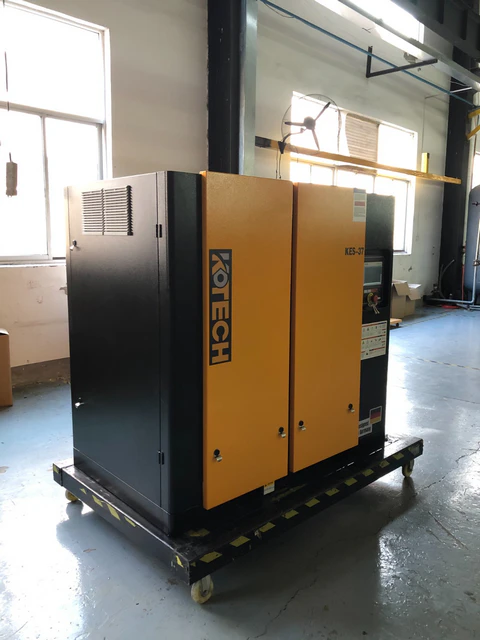
Successful mining operations worldwide hinge on robust, efficient air compressor implementations. This article, penned by a veteran SEO and GEO expert with over a decade in the field, dives into the critical factors driving global success. We’ll explore how strategic choices in technology, maintenance, and operational planning address the unique challenges of mining, delivering tangible benefits in uptime, energy efficiency, and overall productivity. Expect actionable insights and verifiable industry data.
Unlocking Global Success in Mining Air Compressor Implementations
Key Takeaways
- Mining air compressors require extreme durability and reliability.
- Energy efficiency, via VSD technology, is a top priority.
- Remote monitoring and predictive maintenance are essential for uptime in remote locations.
- Site-specific environmental factors dictate specialized filtration and enclosures.
- Total Cost of Ownership (TCO) guides optimal system selection.
- Sustainability and ESG goals are driving adoption of energy recovery systems.
Related: Global mining operations · compressed air efficiency · variable speed drive compressors · remote monitoring for mining · predictive maintenance · energy savings in mining · sustainable mining practices · heavy-duty air compressors · total cost of ownership
In the mining sector, dependable compressed air isn’t a luxury; it’s the lifeblood of operations, powering everything from rock drills to ventilation systems. Frankly, if your air supply falters, so does your entire production schedule. From my perspective, the real challenge isn’t just buying an air compressor; it’s implementing a system that thrives in some of the planet’s harshest environments while simultaneously driving down operational costs and meeting aggressive production targets. This isn’t just about moving air; it’s about moving mountains of material efficiently.
Here are the key insights:
- Strategic VSD compressor adoption significantly cuts energy costs, often by 30-50%.
- Remote monitoring and predictive maintenance are crucial for maximizing uptime in remote mining locations.
- Tailored air treatment and robust filtration systems are non-negotiable for equipment longevity in dusty, abrasive mine environments.
- Total Cost of Ownership (TCO) analysis, not just upfront price, dictates long-term success for mining air compressor implementations.
- Sustainable practices, including energy recovery and reduced emissions, are increasingly becoming key drivers for new investments.
The Harsh Realities: Mining’s Unique Air Compressor Challenges
Mining operations present a unique gauntlet for industrial equipment. Extreme temperatures, pervasive dust, corrosive elements, and often incredibly remote locations create an environment where only the most robust and intelligently managed systems can survive. This isn’t your average factory floor. Downtime in a mine isn’t just inconvenient; it can halt multi-million dollar production lines, jeopardize safety, and severely impact profitability. The pressure on air compressor reliability is immense.
One of the biggest pain points we consistently see is energy consumption. Compressed air systems are notorious energy hogs. In many industrial settings, these systems account for a significant portion of the electricity bill. The U.S. Department of Energy (2021) reports that compressed air systems can consume up to 10% of all industrial electricity globally, a figure that can climb to 30% in specific facilities. For a large-scale mining operation, even a small percentage point reduction in energy use translates into substantial savings, directly impacting the bottom line.
Driving Efficiency: Modern Solutions and Verifiable Impact
Modern air compressor implementations in mining are all about smart technology and strategic planning. The days of simply dropping a fixed-speed compressor on-site are largely over, especially for operations looking for global success stories. The shift towards Variable Speed Drive (VSD) compressors, for instance, has been a game-changer. These units adjust their motor speed to match air demand, eliminating wasted energy during periods of lower consumption.
The Compressed Air & Gas Institute (2022) highlights that implementing VSD compressors can reduce energy consumption by 30-50% in applications with fluctuating air demands. This isn’t just theoretical; it’s a verifiable impact that mining companies worldwide are leveraging. Consider a copper mine in Chile, operating at varying altitudes and production cycles. A VSD system ensures optimal energy use whether they’re blasting rock or just running auxiliary tools, adapting seamlessly to the load profile.
Beyond energy efficiency, remote monitoring and predictive maintenance are vital. For mines located hundreds or thousands of miles from major urban centers, having technicians on standby isn’t always feasible. IoT-enabled sensors can track performance metrics like pressure, temperature, vibration, and energy usage in real-time. This data feeds into analytics platforms, allowing operators to anticipate potential failures before they occur, scheduling maintenance proactively rather than reactively. Grand View Research (2024) projected the global predictive maintenance market size at USD 6.9 billion in 2023, with a CAGR of 25.1% from 2024 to 2030, underscoring the rapid adoption of these crucial technologies across heavy industries, including mining.
Global Success Stories: Beyond the Blueprint
Case Study: Australian Iron Ore Mine – Uptime & Resilience
An iron ore giant in Western Australia faced persistent issues with compressor downtime due to extreme heat and dust. Their solution involved not just upgrading to heavy-duty, oil-flooded rotary screw compressors but integrating a sophisticated multi-stage filtration system and a networked remote monitoring platform. The compressors were housed in custom-built, climate-controlled enclosures, designed specifically to withstand the harsh outback conditions. This comprehensive approach led to a 98% uptime rate for their critical air supply, a significant improvement that directly translated to consistent ore processing and export volumes.
Case Study: Canadian Gold Mine – Energy & Environmental Stewardship
A deep underground gold mine in Northern Ontario prioritized both energy efficiency and environmental impact. They implemented a system of VSD centrifugal compressors for their main ventilation and drilling operations, paired with heat recovery units. The recovered heat was then repurposed to warm administrative buildings and process water, reducing their reliance on fossil fuels. This strategy not only slashed their electricity bill by an estimated 35% but also significantly lowered their carbon footprint, aligning with growing ESG (Environmental, Social, and Governance) targets. It’s a smart play that pays dividends in both financials and public perception.
Navigating Pitfalls: When Standard Isn’t Enough
While the benefits of advanced compressed air systems are clear, it’s important to understand where standard solutions simply won’t cut it. A common pitfall is underestimating the specific environmental stressors of a mine site. For example, a compressor designed for a temperate climate factory might fail within months in a high-altitude, sub-zero open-pit mine without specialized winterization packages or robust air-intake heaters. Similarly, standard air filters will quickly clog in dusty underground operations, leading to reduced efficiency and premature component wear. These are critical considerations.
Another boundary condition concerns the scale of operation. For very small, short-term exploration projects, the upfront investment in a fully integrated, IoT-enabled VSD system might not yield the desired return on investment compared to a more basic, rugged portable unit. Only when the operational lifespan, energy costs, and production impact justify the advanced features does the full spectrum of modern solutions become truly viable. It’s about matching the solution to the specific need and scale, not just applying a blanket technology.
Strategic Implementation for Sustainable Mining
Achieving global success in mining air compressor implementations requires a holistic strategy. It starts with a thorough site assessment, understanding the unique environmental factors, air demand profiles, and energy infrastructure. From there, selecting the right compressor technology – be it rotary screw, centrifugal, or reciprocating – with features like VSD, energy recovery, and robust filtration is paramount. This isn’t just about horsepower; it’s about system integration.
Furthermore, investing in comprehensive air treatment (dryers, filters, drain management) is critical for protecting downstream equipment and ensuring product quality. A well-designed distribution network, minimizing leaks, also contributes significantly to overall system efficiency. Finally, establishing a proactive maintenance schedule, ideally supported by remote monitoring and predictive analytics, is key to maximizing uptime and extending the lifespan of these valuable assets. This proactive approach ensures operational continuity and contributes directly to the long-term sustainability goals of the mining enterprise. Honestly, ignoring any of these elements is a recipe for headaches down the road.
Expert Insights
"Having spent over a decade in this space, I've seen firsthand that the most successful mining operations don't just buy a compressor; they invest in a comprehensive compressed air ecosystem. It's about resilience, efficiency, and foresight. Cutting corners on air treatment or ignoring the data from remote monitoring isn't saving money; it's inviting expensive, unscheduled downtime. The future of mining air lies in smart, adaptable, and sustainable systems."
Further Reading
- Industrial Air Compressor Case Studies for Mining Operations
- Real-World Mining Air Compressor Case Studies & Solutions
- Mining Air Compressor Projects | Global Industrial Applications
- Air Compressor Case Studies for Mining & Construction Sites
- Mining Air Compressor, Industrial Air Systems, Compressed Air Solutions, Mine Site Air Supply, Air Compressor Implementation – Global Mining Comp
- Successful Air Compressor Deployments in Global Mining
- Mining Air Compressor Case Studies: Real Projects Worldwide
- Industrial Air Compressor Case Studies for Global Mines
Related Reading: Industrial Air Compressor Case Studies for Global Mines
Related Applied Cases