
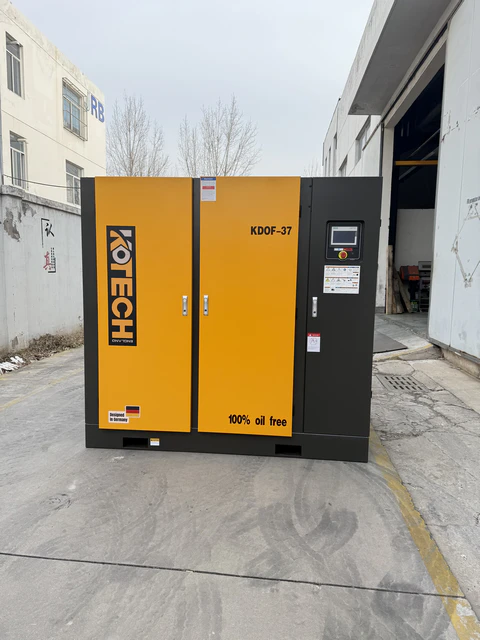
For remote mining operations, selecting the right air compressor is not just about power; it's about logistics, reliability, and fuel efficiency. Lightweight portable diesel air compressors are proving to be the critical link, addressing the unique challenges of inaccessible sites. This guide dives into their strategic advantages, market dynamics, and practical considerations for ensuring uninterrupted productivity.
Optimizing Remote Mine Operations with Lightweight Portable Diesel Air Compressors
Key Takeaways
- Essential for remote mine logistics and operational independence.
- Diesel power ensures reliability and fuel accessibility off-grid.
- Reduces transportation costs and deployment time significantly.
- Critical for powering pneumatic tools and drilling in inaccessible areas.
- Requires specific selection criteria beyond basic specs (altitude, fuel capacity, durability).
- Not suitable for massive, fixed, continuous high-volume air demands.
- Strict maintenance and spare parts management are vital for uptime.
Related: Mobile mining air compressors · compact diesel air units · remote site compressed air · off-grid air power solutions · mining equipment logistics · rugged air compressors · diesel-powered mining tools
Key Insights:
- Logistical Supremacy: Lightweight portable diesel air compressors drastically reduce transportation costs and simplify deployment in challenging remote terrains.
- Unmatched Reliability: Diesel engines offer robust performance and readily available fuel sources, critical for off-grid mining sites.
- Operational Flexibility: These units provide essential air power for diverse tasks, from drilling to powering pneumatic tools, without extensive infrastructure.
- Cost Efficiency: Reduced fuel consumption and minimized downtime contribute to significant operational savings over the lifespan of the equipment.
- Industry Growth Driver: As remote mining expands, demand for self-contained, mobile air solutions continues to surge, driven by efficiency and sustainability goals.
The Indispensable Role of Mobile Diesel Air Power in Remote Mining
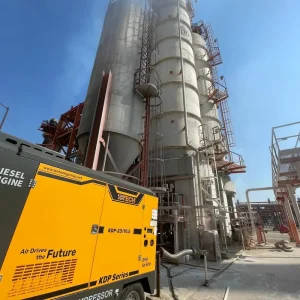
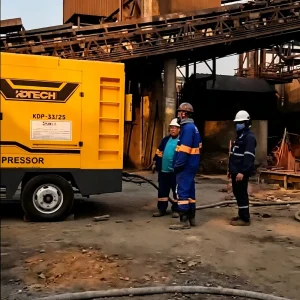
Operating a mine in a remote location introduces a unique set of logistical and operational hurdles. Powering essential pneumatic tools and drilling equipment without a stable grid connection or heavy, fixed infrastructure is a paramount concern. This is precisely where lightweight portable diesel air compressors become not just beneficial, but absolutely critical. They deliver the necessary air power directly to the worksite, irrespective of its isolation.
The core conclusion here is straightforward: for any remote mining venture, investing in compact, diesel-powered air compression units is a non-negotiable step towards operational viability and efficiency. These machines are designed for the brutal realities of off-grid work, where every pound of equipment and every drop of fuel counts.
Why Portability and Weight Are Game-Changers
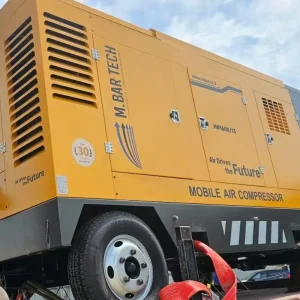
Moving machinery to and around a remote mine site is often the most expensive and time-consuming aspect of operations. Think about it: rough terrain, limited road access, and sometimes even airlifts are involved. A standard, heavy-duty compressor might offer raw power, but its weight can cripple a project’s budget and timeline. Lighter units, conversely, are easier to transport via helicopter, smaller trucks, or even ATVs, significantly cutting down on mobilization costs and deployment time.
According to a Deloitte report from 2021 on mining infrastructure challenges, logistics and transportation can account for up to 30% of a remote mine’s operational expenditure. Reducing the weight of critical equipment like air compressors directly impacts this figure, freeing up capital for other essential investments. This isn’t just about initial transport; it’s about flexibility. A truly portable unit can be moved between different sections of a vast mine site quickly, adapting to changing operational needs without extensive planning or heavy machinery.
Frankly, I’ve seen too many operations get bogged down by oversized equipment. Prioritizing portability often pays dividends in these environments.
The Diesel Advantage: Reliability Where It Matters Most
In remote environments, fuel availability and engine reliability are paramount. Diesel engines have long been the backbone of heavy industry for good reason. They are robust, built to withstand harsh conditions, and offer superior fuel efficiency compared to gasoline alternatives for high-demand applications. More importantly, diesel fuel is often more accessible in remote regions, as it powers most other heavy machinery on site.
The latest generation of diesel engines powering these compressors incorporates advanced fuel injection systems and emissions controls, making them more efficient and environmentally compliant. For instance, the global market for diesel generator sets, which share many engine technologies with diesel compressors, is projected to grow, with a significant segment driven by off-grid industrial applications, as highlighted by Grand View Research in their 2022 analysis. This trend signals continued innovation and support for diesel-powered equipment in remote settings.
Market Trends and Data Driving Adoption
The global mining industry is increasingly pushing into more remote and challenging geographies in search of new deposits. This expansion inherently drives demand for equipment that can operate autonomously and efficiently far from established infrastructure. The market for portable air compressors, in general, is experiencing steady growth, with a compound annual growth rate (CAGR) of around 4.5% from 2023 to 2030, according to MarketsandMarkets 2023 report, largely fueled by industrial applications including mining.
Specifically, the lightweight and portable segment within this market is seeing accelerated adoption for its operational flexibility. Miners are looking for solutions that not only provide power but also contribute to overall site safety and reduced environmental footprint through lower emissions and less ground disturbance during transport. The shift towards electrification in some mining operations is real, but for immediate, high-power needs in truly off-grid scenarios, diesel remains the pragmatic and reliable choice.
Selecting the Right Compressor: Beyond the Spec Sheet
Choosing the ideal mobile diesel air compressor for a remote mine involves more than just looking at CFM and PSI ratings. You need to consider the specific applications: Is it for drilling, powering jackhammers, or dust collection? What’s the altitude of your mine site? Higher altitudes require larger compressors to deliver the same volumetric flow. Fuel tank capacity is another crucial factor; a larger tank means less frequent refueling, which can be a logistical nightmare in remote areas.
Look for units with durable enclosures designed to withstand dust, extreme temperatures, and vibrations. Skid-mounted or trailer-mounted options offer different levels of mobility. Noise levels, while often overlooked, can impact worker safety and local wildlife, so consider models with advanced sound attenuation. Finally, ease of maintenance in the field is paramount – simple access to filters, fluids, and belts can mean the difference between minor downtime and a major operational halt.
The Trade-offs: When Lighter Isn’t Always Better
While the advantages of lightweight portable diesel air compressors are clear, it’s important to acknowledge their limitations. They are not a one-size-fits-all solution. For extremely large-scale mining operations requiring continuous, high-volume air for massive tunnel boring machines or extensive processing plants, a lightweight portable unit might simply lack the sheer power and sustained output. In such cases, a heavier, more stationary industrial air compressor, potentially electric or much larger diesel, would be more appropriate, even with the logistical challenges it presents.
The boundary condition here is scale and duration. If your air demand is sporadic, varied, and spread across a large, inaccessible area, portability wins. If it’s a constant, high-volume requirement at a fixed point for months on end, then a more robust, less mobile solution may be more cost-effective in the long run, assuming the infrastructure can support it. Only when the demand is truly mobile and intermittent does the lightweight portable unit shine brightest.
Operational Best Practices for Maximizing Uptime
Even the best equipment needs proper care. For these critical units, regular maintenance schedules are paramount. This includes daily checks of fluid levels (oil, coolant), air filter inspections, and fuel quality monitoring. Contaminated fuel is a common culprit for engine issues in remote locations. Ensure your team is properly trained on basic troubleshooting and preventative maintenance.
Stocking essential spare parts like filters, belts, and common sensors on-site can drastically reduce downtime. Establishing a clear refueling protocol, minimizing spills, and securing fuel supplies from contamination are also vital. Furthermore, consider investing in telematics for your compressors. Remote monitoring of performance metrics, fuel consumption, and service alerts can preempt failures and optimize operational efficiency, a trend increasingly adopted across heavy equipment.
Expert Insights
"In my two decades working with mining operations, the shift towards more agile, self-sufficient equipment for remote sites has been profound. Lightweight portable diesel air compressors aren't just a convenience; they're a strategic asset. The ability to deploy critical air power exactly where and when it's needed, without complex infrastructure, directly translates to faster project timelines and healthier bottom lines. Neglecting portability is, frankly, a luxury most remote operations can't afford."
Further Reading
- Mining Air Compressor Success Stories: Global Industry Benchmarks
- Heat-Resistant Mining Air Compressors for Desert Mining Climates
- Insights into Portable vs Stationary Mining Air Compressors
- Mobile Diesel Air Compressors for Oilfield & Mining Operations
- Lightweight Portable Diesel Air Compressors for Remote Mines – Air Compressor Cas
- High-Torque Mining Air Compressors for Heavy-Duty Blasting Jobs
- Portable Diesel Air Compressors Built for Mining’s Toughest Jobs
- Skid-Mounted Mining Air Compressors for Easy Site Relocation
About the Author

Related Reading: Explosion-Proof Mining Air Compressors for Hazardous Mining Zones
Related Applied Cases