
2024 MSHA-Compliant Mining Air Compressor Safety Protocols for Underground Operations: Actionable Steps to Cut Site Injuries
- These protocols do not apply to above-ground mining air compressor installations, as underground confined space and seismic hazard variables create unique risk profiles.
Pre-Operational Safety Check Protocols
All checks must be completed by a trained crew member before the compressor is activated for any shift, no matter how short the projected run time.
Daily Visual Inspections
Start with a full walkaround of the compressor unit to check for loose hoses, cracked fittings, oil leaks, and damaged pressure gauges. All pressure gauges must be calibrated within the last 90 days, with visible calibration stickers attached to the unit casing.
Distribution lines running through active mine tunnels must be marked with high-visibility tape every 20 feet, with clear signage noting maximum pressure ratings. Any lines with missing markings must be tagged out immediately until they are re-labeled.
Pre-Start Pressure Testing
Use a soapy water solution to check all fitting and connection points for bubbling, which indicates a leak.
All leaks must be repaired before the compressor is brought to full operating pressure. If the compressor fails two consecutive pressure tests, it must be removed from service and inspected by a MSHA-certified compressed air technician before it is used again.
Installation and Ventilation Rules
Underground confined space conditions create unique ventilation risks for both electric and diesel-powered compressed air units, which are often placed in tight, poorly circulated areas of mine sites.
Stationary Unit Placement Guidelines
Stationary compressors must be installed in dedicated compressor rooms with a minimum of 8 feet of clearance on all sides for maintenance access. The room must have a carbon monoxide detector, smoke alarm, and continuous ventilation system that exchanges air a minimum of 6 times per hour, per 2024 MSHA confined space standards.
Compressor rooms must be locked when not in use, with access restricted to trained maintenance and operations staff only. No flammable materials, including mining explosives or fuel canisters, may be stored within 20 feet of the compressor room entrance.
Portable Unit Ventilation Requirements
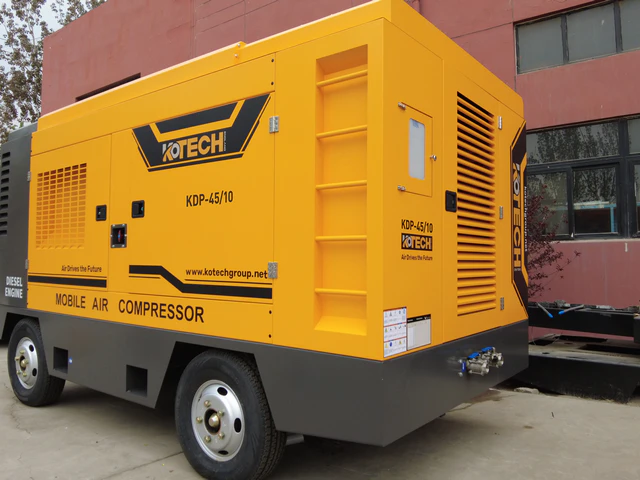
Portable diesel-powered compressors used near active mine faces carry elevated carbon monoxide buildup risks, as these areas often have limited natural ventilation. Per NIOSH 2023 data, units placed within 15 feet of an active mine face require a ventilation rate of 200 cubic feet per minute per horsepower, double the standard requirement for units placed in main mine tunnels.
All portable units must have a built-in carbon monoxide shutoff sensor that automatically deactivates the compressor if CO levels exceed 50 parts per million for more than 5 minutes.
Lockout-Tagout and Maintenance Protocols
Before any maintenance work is performed on the compressor or connected distribution lines, the unit must be fully deactivated, all pressure must be released from the lines, and the power source must be locked out with a unique key held by the worker performing the maintenance. Multiple workers performing work on the same system must each apply their own lock to the LOTO device, so the system cannot be reactivated until all locks are removed.
Routine maintenance must be performed every 500 hours of run time for electric compressors, and every 300 hours of run time for diesel-powered units. Maintenance records must be kept on site for a minimum of 3 years, per MSHA recordkeeping requirements.
Incident Response Protocols
In the event of a compressed air leak, all personnel within 50 feet of the leak must evacuate the area immediately until the compressor is deactivated and pressure is released from the line. Never attempt to seal a high-pressure leak while the line is still pressurized, as flying debris from a failed fitting can cause severe injury or death.
If a worker is injured by a compressed air discharge, administer first aid immediately and notify the site safety officer before moving the injured worker, as compressed air can enter the bloodstream and cause life-threatening complications that require specialized medical care.




