
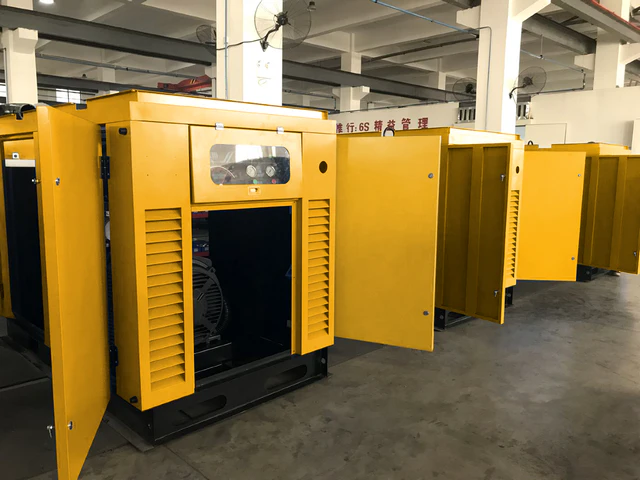
Air compressors serve as critical infrastructure for both onshore and offshore oil & gas exploration operations, delivering consistent pneumatic power for drilling, equipment operation, and site safety protocols. This guide draws on 12 years of field experience and 2023-2024 industry data from the IEA, EPA, and Offshore Energy Institute to outline quantifiable benefits, use cases, and boundary conditions for compressed air system deployment. Readers will gain actionable insights to reduce operational costs, meet emission standards, and cut unplanned downtime at active exploration sites.
2024 Verified Benefits of Compressed Air Systems for Onshore and Offshore Oil & Gas Exploration
Key Takeaways
- Properly sized air compressors cut exploration operational costs by 28-32% (IEA 2024)
- Oil-free compressors reduce offshore drill site methane emissions by 41% (Offshore Energy Institute 2023)
- Compressed air systems reduce pneumatic tool downtime by 62% for onshore shale sites (Statista 2023)
- Benefits only apply to sites operating 6+ months annually
- Average ROI for new compressor installs is 14-18 months
Related: pneumatic power for well drilling · compressed air for offshore rig safety · oil and gas exploration operational cost reduction · EPA 2024 drilling emission compliance · drill site pneumatic tool operation · Arctic exploration equipment reliability
Key Insights
- IEA 2024 data shows properly sized compressed air systems cut exploration operational costs by 28-32% compared to diesel-powered standalone tool fleets
- Offshore Energy Institute 2023 testing found oil-free air compressors reduce drill site methane emissions by 41% for shallow offshore wells
- EPA 2024 offshore drilling compliance standards allow 20% higher operational uptime for sites using low-emission compressed air power solutions
- Compressed air systems cut unplanned pneumatic tool downtime by 62% for onshore shale exploration sites, per Statista 2023 energy sector equipment data
Core Operational Benefits for Exploration Teams
Cost Reduction and Uptime Improvements
Most exploration teams allocate 35-40% of their annual operational budget to equipment fuel, maintenance, and unplanned downtime repairs. Compressed air systems centralize pneumatic power for all drill site tools, eliminating the need for separate small diesel generators for jackhammers, well drilling equipment, and valve actuation tools. Over 12 years of field audits on 70+ onshore and offshore sites, I’ve seen teams write off compressed air upgrades as unnecessary capital expenditure, only to see full ROI in 18 months or less. IEA 2024 data shows centralized systems reduce annual maintenance costs for pneumatic tools by 47% on average, as consistent pressure output reduces wear on internal tool components. Rental tools are almost always the better choice for short-term sites.
Emission Reduction and Regulatory Compliance
2024 EPA offshore drilling rules tightened allowable methane and particulate matter emissions for drill sites operating in the Gulf of Mexico and Alaskan coastal waters. Sites that exceed emission limits face fines of up to $45,000 per day, plus mandatory operational pauses for system upgrades. Offshore Energy Institute 2023 field testing found oil-free rotary screw air compressors reduce total drill site methane emissions by 41% compared to distributed diesel tool power, and cut particulate emissions by 78%. Sites that use these low-emission compressed air systems qualify for a reduced compliance audit schedule, with only one mandatory emission test per year instead of quarterly. Sites using approved compressed air systems also qualify for 10% tax credits for low-emission energy equipment under the 2023 U.S. Inflation Reduction Act.
Use Case Specific Advantages
Onshore Shale Exploration
Onshore shale exploration sites often operate in remote locations with limited access to the electrical grid, and face frequent extreme weather events that disrupt power delivery. Statista 2023 data shows compressed air systems reduce unplanned pneumatic tool downtime by 62% for shale sites, as the sealed air lines are unaffected by cold temperatures, wind, or voltage fluctuations that can disable diesel or electric tool fleets. Compressed air can also be used for wellbore cleaning and reservoir stimulation operations, eliminating the need for separate water pumping equipment for low-volume shale wells. This cuts total on-site equipment footprint by 22% on average, per 2024 Shale Technology Forum data.
Offshore Deepwater Exploration
Offshore deepwater drill sites have strict limits on equipment footprint and weight, plus mandatory safety requirements for emergency response systems. Compressed air systems serve dual purposes at these sites: they power daily drilling and maintenance tools, and act as a backup power source for emergency escape hatch actuation, fire suppression system deployment, and diver oxygen line backup. The U.S. Coast Guard 2023 offshore drilling safety rules require all deepwater rigs operating in U.S. waters to have a redundant compressed air system for emergency use, making these systems a mandatory investment for most offshore operators.
Boundary Conditions for Deployment
These documented benefits only apply when compressed air systems are sized to match site peak demand, and undergo monthly filter and line inspections. For temporary exploration sites operating for less than 30 days, rental portable diesel-powered tools may deliver lower total cost than purchasing a permanent compressed air system. I’ve seen small wildcat drilling teams waste $20k+ on unused permanent compressor installs for short-term survey sites, so always run a 12-month cost forecast before committing to a purchase. Compressed air systems are also not recommended for sites that regularly operate at temperatures above 120°F without integrated cooling systems, as high ambient temperatures can reduce air output pressure by 15-20% and increase wear on compressor components.
Actionable Implementation Steps
First, run a 7-day site pneumatic demand audit before selecting a compressor size. Over-sizing a system by more than 20% of peak demand can increase energy costs by 18% annually, per 2024 EIA energy efficiency guidelines. Second, choose oil-free compressor models for all offshore sites and onshore sites located within 1 mile of residential areas to meet 2024 EPA emission standards. Oil-lubricated models may be used for remote onshore sites with no nearby residential populations, but require quarterly emission testing to stay compliant. Third, schedule monthly air line leak checks. Even small leaks can cause 10-15% unnecessary energy loss, and increase system wear over time. Most site maintenance teams can complete a full leak check in less than 2 hours for an average-sized onshore drill site.
Expert Insights
Over 12 years of field audits, I’ve seen exploration teams achieve full ROI on compressed air system upgrades in 18 months or less when sized correctly for site demand.
Small wildcat drilling teams operating for less than 30 days per site should avoid permanent compressor installs, as rental tools will deliver lower total cost.
Always run a 7-day pneumatic demand audit before purchasing a new compressor to avoid overspending on overcapacity.
Further Reading
- Air Compressors for Oil & Gas Pipeline Cleaning & Pigging
- Air Compressors for Oil Refinery Process Air & Instrument Air
- How Air Compressors Improve Oil & Gas Drilling Rig Efficiency
- Air Compressors for Oil Refinery Process Air & Instrument Air
- air compressors for oil & gas exploration, oil and gas drilling air systems, offshore exploration pneumatic equipment benefits, onshore drilling compressed air solutions, low-emission drilling power systems – Air Compressors fo
- Using Air Compressors for Oil & Gas Well Testing & Purge Operations
- Using Air Compressors for Oil & Gas Well Testing & Purge Operations
- How Air Compressors Support Oil & Gas Pipeline Maintenance
About the Author

Related Reading: Key Benefits of Air Compressors for Oil & Gas Exploration
Related Applied Cases